
In brief
The United States launched its 11th consecutive night of strikes against Iran on Tuesday, targeting military infrastructure that could threaten shipping through the Strait of Hormuz. President Donald Trump has warned that a covert nuclear facility near Natanz will soon be hit, a claim Iran flags as an expansion of war. Iran, claiming it has already fired on commercial vessels, demands retaliation while the U.S. pledges to keep the sea lane open. Oil prices have spiked to $94 as global markets react to the deepening crisis.
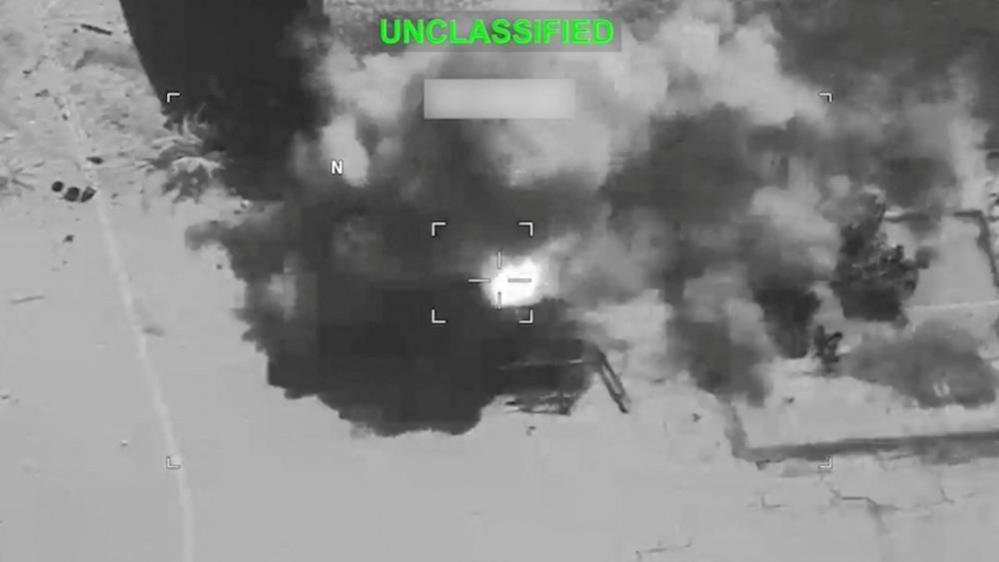
The US has carried out the 11th consecutive night of missile strikes on Iran, a move described by US Central Command as a persistent effort to reduce Iran’s threat to commercial shipping in the Strait of Hormuz.
Iran’s state media reported air defences being raised in Tehran and explosions in several cities, including Tabriz, Chabahar, Konarak and Bushehr – the latter hosting Iran’s only nuclear plant.
Meanwhile, former President Donald Trump publicly threatened an attack on an underground nuclear complex near Natanz, calling it a “target” that would be hit “very heavily.” He said it was a matter of routine “execution” and warned that the region’s powers had no recourse.
Iran in turn has warned of reprisals, saying an attack would be “the expansion of war in the region” and said it would strike all US interests, its allies and supporters.
The US has cited reports of Iran attacking more than 30 commercial vessels in the last three months, a claim Iran disputes. The US claims shipping lanes remain open, while maritime authorities in Kuwait, Bahrain and Jordan have reported drone and missile engagements.
Oil markets have reacted with volatility; prices rose to $94 as the conflict escalated. US Secretary of State Marco Rubio has signalled a willingness to negotiate, yet doubts remain about Tehran’s sincerity.
With the US announcing a ceasefire in April that stalled in early May, the latest attacks signal a renewed hard‑line stance from both sides. The situation remains fluid, and analysts warn that the Gulf’s shipping corridors are vulnerable to further disruption.
