
In brief
Vice‑President J.D. Vance has withdrawn from a scheduled trip to Switzerland, causing the U.S. and Iran to postpone their technical talks. The delay follows the lifting of the U.S. naval blockade after a new agreement was signed, which includes reopening the Strait of Hormuz and a 300‑billion‑dollar reconstruction package for Iran. The deal also calls for a 60‑day period to finalize a broader pact, though talks were not yet finalized. Meanwhile, violent clashes in Lebanon between Israeli forces and Hezbollah have intensified, complicating the diplomatic negotiations. The Iranian Supreme Leader has approved the deal but insists future talks will not signify acceptance of U.S. positions, while the U.S. president has urged a ceasefire across all fronts.
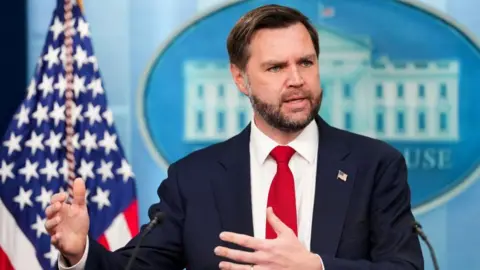
A new round of direct talks between the United States and Iran has been postponed after Vice‑President J.D. Vance cancelled a planned visit to Switzerland late Thursday.
The White House said the logistics were not simple or predictable and notes the talks had not been fully finalized.
Vance had been expected to attend “technical discussions” on how to implement an agreement signed earlier this week by the two sides. The U.S. had recently lifted its naval blockade of Iran following the deal.
The agreement, centred on 14 points, reopens the Strait of Hormuz, requires Iran to renounce nuclear weapons, assigns a €300 billion reconstruction package, and eliminates all sanctions. Both parties are to reach a final deal within 60 days, with the possibility of extension.
Iran’s Supreme Leader, Mohamad Khamenei, said he approved the deal but described it as the result of Trump’s desperation, while also noting that future in‑person talks would not signify acceptance of the U.S. positions.
Meanwhile, violence in Lebanon has intensified. Israeli air strikes that night killed at least 18 people in the south, and the Israeli Defence Forces say they targeted infrastructure tied to Hezbollah. Hezbollah’s representatives have reported that the talks were suspended amid these clashes.
Iran insists any ceasefire must include Lebanon, a demand Israel has rejected, arguing its conflict with Hezbollah is separate from war with Iran. U.S. President Donald Trump has called for a ceasefire across all fronts, including Israel‑Hezbollah tensions.
The deal also calls for permanent end to the conflict and a safeguard for Lebanon’s territorial integrity and sovereignty.

