In brief
President Trump announced a multi‑month deal to bring large quantities of Russian diesel into the U.S., a move that clashes with recent sanctions laws and has sparked backlash from both Republican and Democratic senators. Critics argue the agreement would hand a financial lifeline to Moscow while Russia continues the war in Ukraine. Supporters contend the deal could lower gasoline prices ahead of the next midterm election. The proposal underscores tension between energy policy, foreign policy and domestic politics.
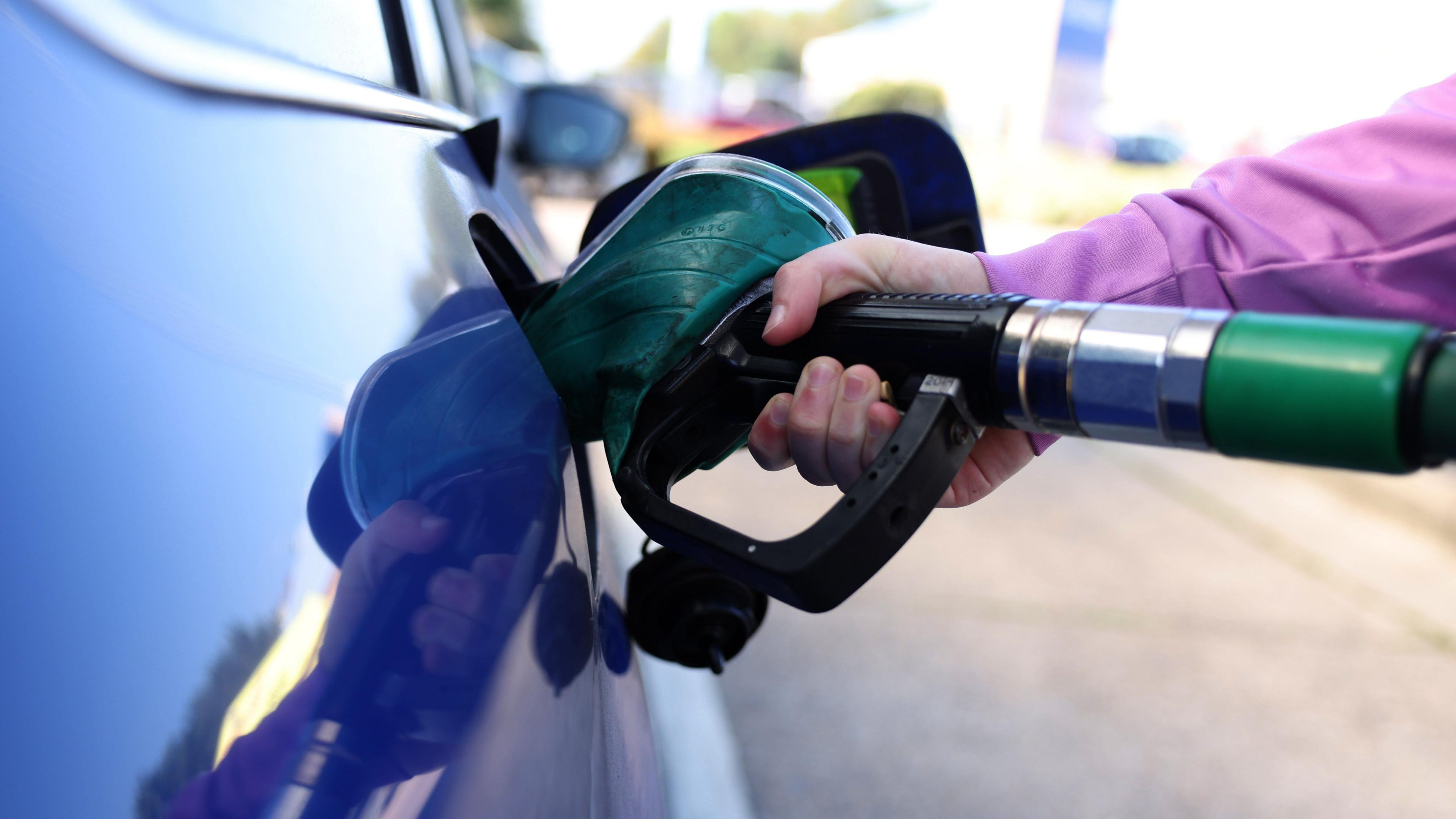
President Donald Trump announced on Friday that Russia will supply 300,000 tonnes of diesel to the American and global market immediately, followed by larger shipments over the coming months. The deal comes as fuel prices have spiked since the U.S.–Israel conflict with Iran escalated at the end of February, disrupting global crude oil supplies.
Trump’s action follows the signing of new U.S. sanctions and tariffs targeting countries that import Russian oil and gas, a move designed to curb Moscow’s war financing. Critics argue the diesel deal violates U.S. law and would undermine the sanctions regime. A bipartisan group of seven senators—four Republicans (Susan Collins, Lisa Murkowski, Thom Tillis, John Curtis) and three Democrats (Jeanne Shaheen, Richard Blumenthal, Ron Wyden)—issued a statement urging the administration to reverse course, warning that it would provide Russia with a financial lifeline while civilians die in Ukraine.
Trump defended the policy on Truth Social, claiming that “lower prices for Americans, especially our great farmers, ranchers and truckers, is my greatest priority.” Treasury Secretary Scott Bessent told Fox News that the agreement operates within existing legal frameworks and that any claim otherwise was incorrect. Republican Senator Thomas Massie also expressed support, arguing that all petroleum product sanctions should be lifted.
The volume of diesel promised—300,000 tonnes initially, followed by 500,000 tonnes in November, a million thereafter, and potentially up to three million tonnes monthly—could lift to about half the U.S. daily consumption of diesel, which is 3.6 million barrels per day. Analysts question whether Russia can meet these targets given that Ukrainian attacks have damaged several Russian refineries.
International reaction has been mixed. UK Defence Secretary Wes Streeting criticised the deal, urging allies to focus on increasing pressure on Russia. Canadian Prime Minister Mark Carney also expressed concern. Ukrainian President Volodymyr Zelensky called the agreement a “gift to Putin” and “an investment in a war that must be ended.”
Amid growing domestic disapproval over the economy and foreign policy, and pressure ahead of the upcoming midterm elections, the diesel deal has highlighted a widening divide within American politics over how to navigate energy security, sanctions enforcement and foreign war involvement.