In brief
U.S. officials announced the removal of Syria from the state sponsors of terrorism list, a move that could open the country to private investment and reduce sanctions. The decision follows the U.S. de‑designation of both the Hayat Tahrir al‑Sham militia and former leader Ahmed al‑Sharaa, signalling a shift in U.S. policy toward the eastern Mediterranean. While the lift removes certain financial and defense‑related restrictions, Syria still faces significant security, governance and regional challenges that may limit the full economic impact of the designation’s removal.
U.S. officials announced Thursday that Syria is no longer listed as a state sponsor of terrorism, a designation that had been in place since 1979. The move, which is described by U.S. Secretary of State Marco Rubio as a recognition of the Syrian government’s “positive actions to fully distance itself from acts of international terrorism,” is expected to ease certain barriers to private sector investment in the country.
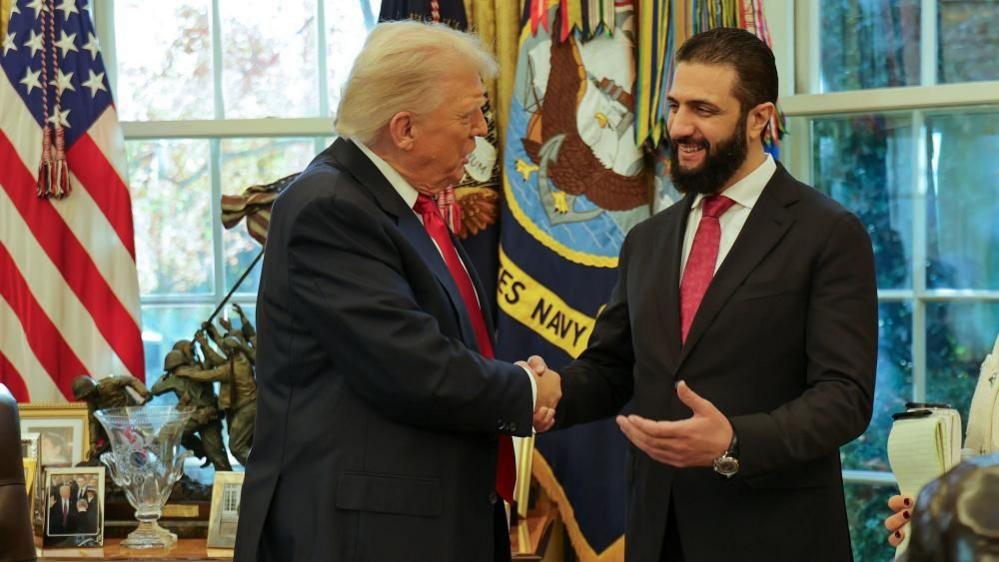
The decision follows a series of U.S. de‑designations in the past year, including the removal of the Hayat Tahrir al‑Sham militia—formerly al‑Nusra Front—from the list of global terrorist organizations and the removal of former president Ahmed al‑Sharaa from the U.S. list of Specially Designated Global Terrorists. Sharaa, who once commanded a group that had an American bounty on his head, now heads a transitional administration that was victorious in the rebel offensive that ousted former president Bashar al‑Assad.
Removing Syria from the state sponsors list lifts the financial sanctions and restrictions that once barred the country from foreign aid, defense exports, and commercial transactions involving U.S. entities. The decision also signals a potential shift in Washington’s policy focus, aiming to bring Syria into a pro‑American orbit rather than aligning it more closely with Russia or China.
Despite these policy changes, analysts warn that Syria remains an insecure and politically unstable country. The new status does not address the lack of a fully representative government or the ongoing tensions between neighboring Israel, Turkey and other regional actors. Moreover, other international sanctions and restrictions—particularly those imposed by the European Union and United Nations—may still affect Syria’s ability to engage globally.