US pays $3 million to Havana Syndrome victims amid international debate
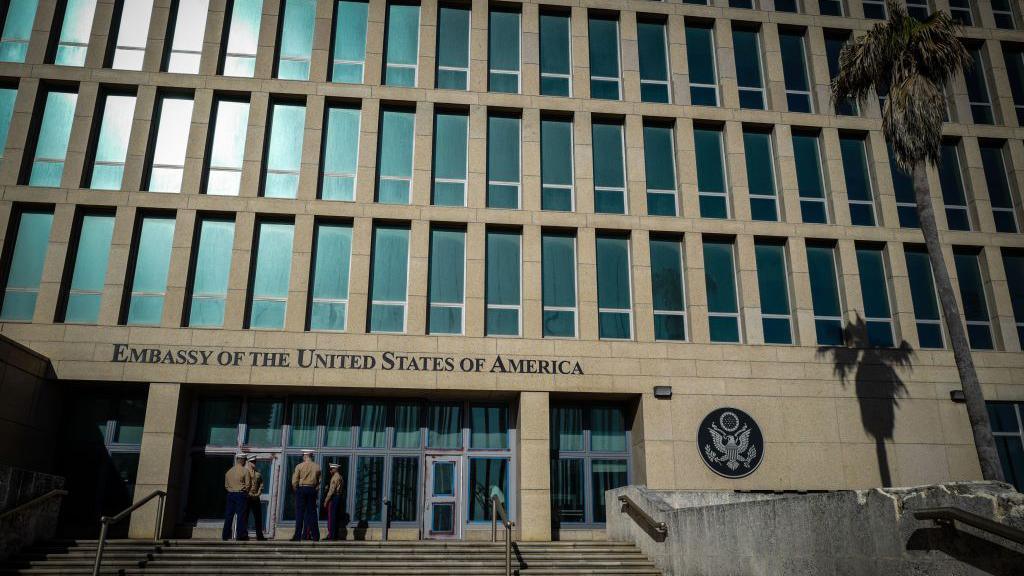
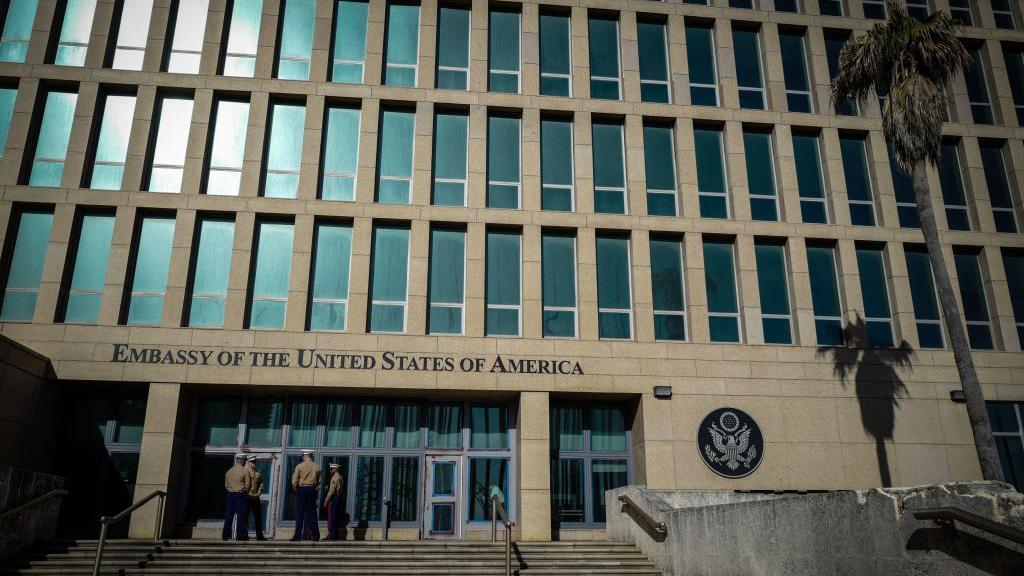
In 2026, Washington announced it would disburse nearly $3 million to US diplomats, intelligence officers and their families who have suffered from the so‑called Havana Syndrome. The compensation, authorized under the Havana Act of 2021, is the first to benefit agency staff.
A decade of mystery
The first reports came from a CIA team stationed in Havana in 2016 when staff complained of dizziness, nausea and hearing strange low‑frequency sounds. Since then, incidents have surfaced at embassies in Washington, Beijing and beyond, with victims describing a range of symptoms including clicking noises, metallic grinding and pressure on the skull.
Theories and interrogations
Officials and scientists have debated whether the illness stems from a covert acoustic weapon or stress‑related factors. Some media outlets suggest microwaves as the culprit, while intelligence agents have largely ruled out a foreign weapon. Nevertheless, a minority remain unconvinced, citing the repeated reports of acoustic anomalies among US personnel.
Political and diplomatic dimensions
The Havana Act’s passage underlined Washington’s intent to acknowledge and support affected service members. While the US government stresses care and recovery, Cuban authorities have maintained a cautious stance, with diplomatic exchanges reflecting broader concerns about trust and national security. International observers note that the payment may influence future diplomatic postings and intelligence cooperation.
First steps toward clarity
The payout signals an institutional acknowledgement of the condition’s reality. As science continues to probe the underlying causes, the US remains engaged in gathering data while offering financial and medical support to those impacted.