Background of the Incident
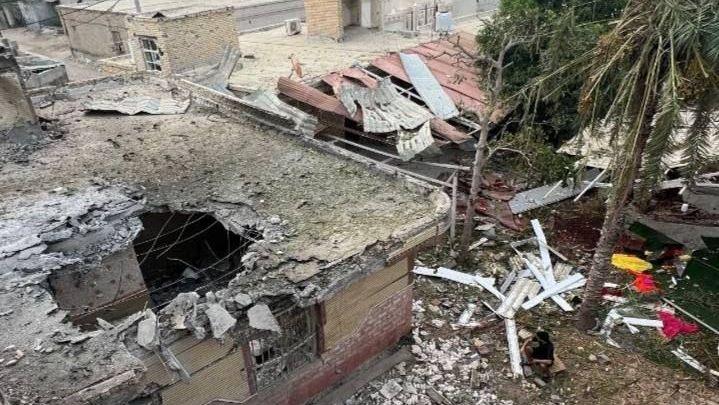
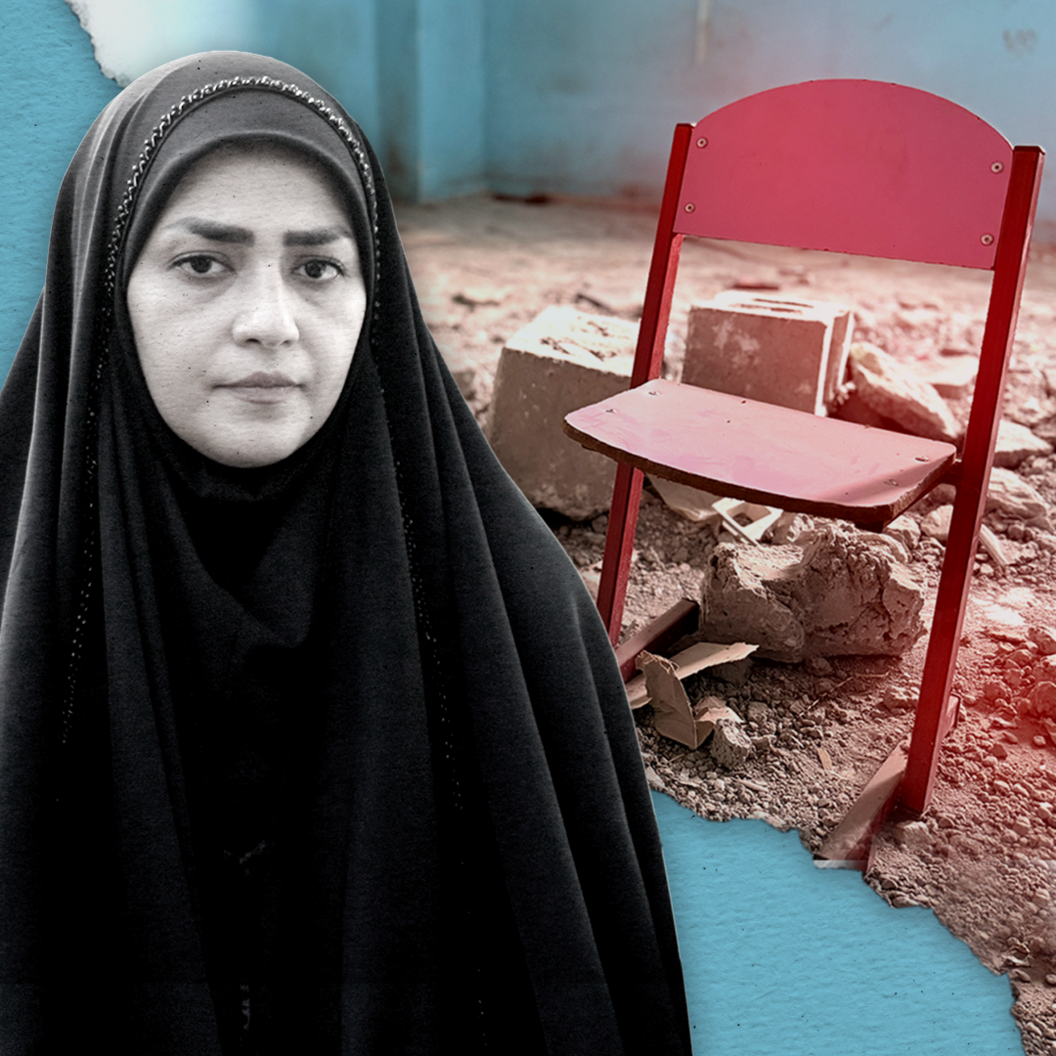
On 28 February, during the early hours of the U.S‑Israeli‑Iranian confrontation, a missile barrage impacted the town of Minab in southern Iran, striking Shajareh Tayyebeh Primary School. 120 children and 36 adults were confirmed dead, bringing the overall toll to 156, including a pregnant woman and her unborn child, according to the Minab prosecutor’s office. The U.S. has not admitted responsibility, though reports suggest that older data supplied by U.S. Defense Intelligence Agency may have identified the school as a military target.
Geographic Context
The school sits adjacent to an Iranian Revolutionary Guard Corps (IRGC) complex. Satellite imagery reveals a wall erected in 2016 separating the two, though the campus remains accessible to teachers and parents. Former photos of the school’s websites for the girls’ and boys’ sections listed the address, making its civilian character publicly evident before the attack.
Eyewitness Accounts
Teacher Amaineh Nademi describes how a missile struck the school as she was leaving to collect students. The blast sent black smoke through the classroom and tore the building apart. “Something hit my head and my students’ heads— we were all sent flying,” she said, noting the shrapnel that made “blood was pouring from me and the students.”
Red Crescent worker Reza Besharati recounts arriving on the scene to find ‘no one alive’, describing survivors as disfigured remnants: “Maybe a hand, maybe a leg… Nobody had a complete body.” The emotional toll has been described as lasting several days for those who searched the rubble.
Investigation and Political Reactions
President Trump blamed Iran without evidence, prompting Defense Secretary Hegseth to state the U.S. forces “never target civilian targets.” The administration announced a higher‑level investigation, headed by an officer from outside U.S. Central Command (Centcom). However, no findings have been released. Some U.S. media indicate that the strike likely stemmed from outdated data classifying the school as a military installation.
Iran’s government stresses that the strike proved U.S. policy ineffective and used it to portray the regime as a protector of its people. Former Centcom officials testified that the site was “on an active IRGC cruise‑missile base,” a claim that Iran’s foreign ministry dismissed as fabrication.
Human Cost and Cultural Response
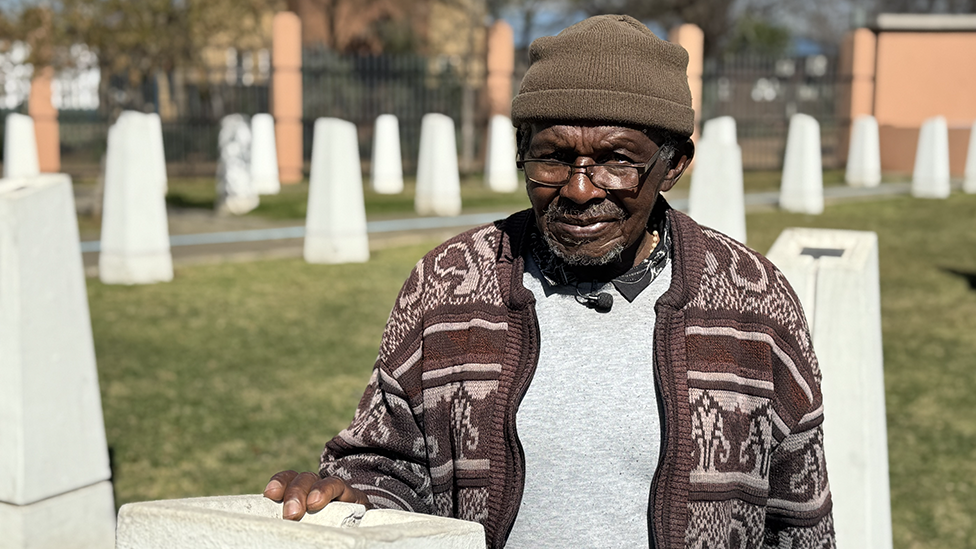
Families gather nightly at a cemetery near the ruined school, wiping dust from photographs of their children and praying for their spirits. One mother recalls identifying her nine‑year‑old daughter by her cream socks after rescue workers found the child’s remains among the shattered walls.
Student post‑humorous who had dreamed of teaching is memorialized on a granite headstone that reads “They'd gone to learn.” The tragedy has split opinions among Iranians, some seeing the strike as a deterrent against regime aggression, others condemning the use of force that targeted civilians.
Conclusion
The Minab school strike spotlights the blurred lines between military objectives and civilian safety. As investigations continue, the incident remains a critical case study in international law, media framing, and the ethics of modern warfare, demanding careful scrutiny from all sides.