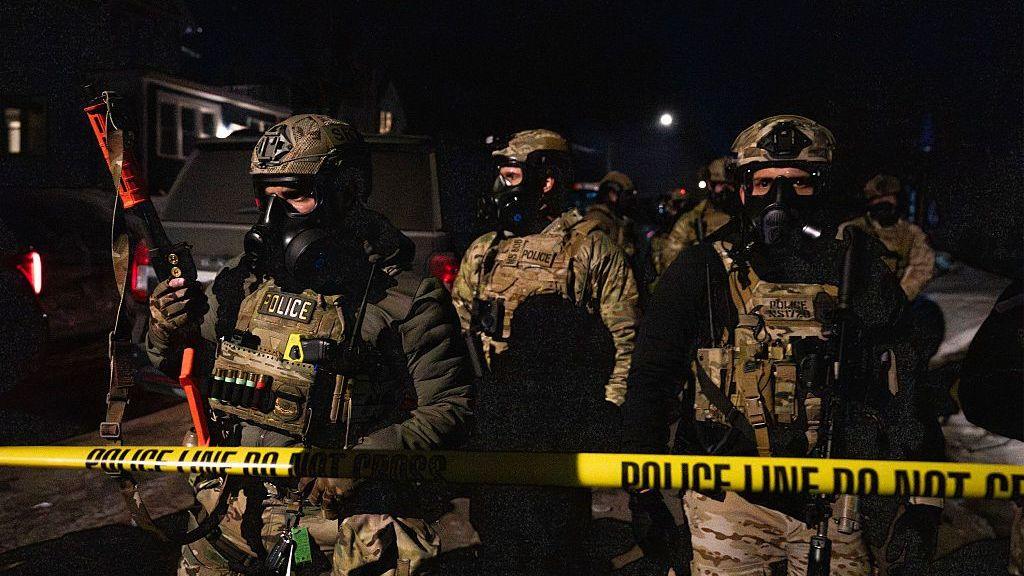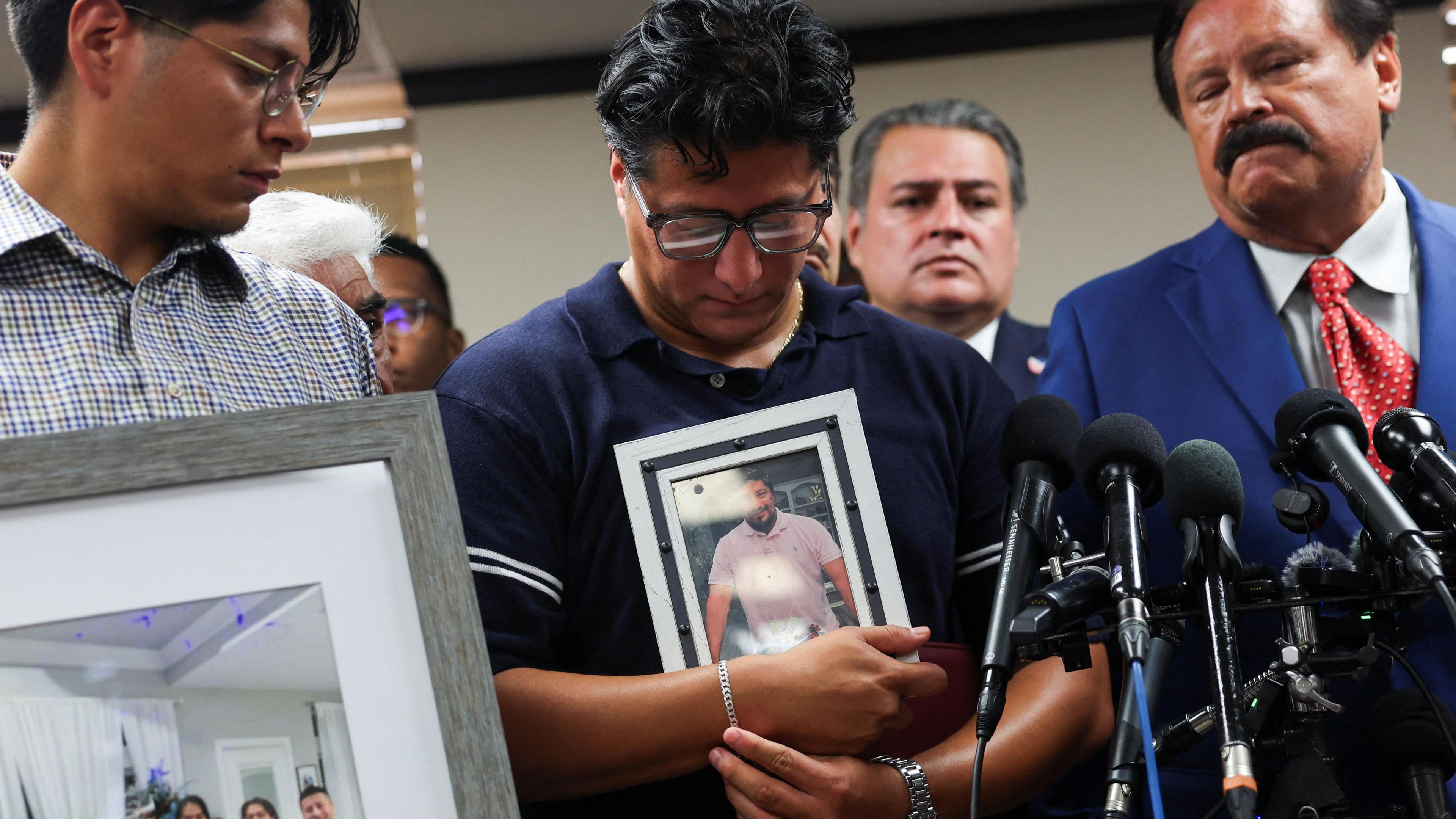
On Tuesday morning in Houston, U.S. Immigration and Customs Enforcement (ICE) agents conducted a traffic stop that culminated in the fatal shooting of Lorenzo Salgado Araujo, a 52‑year‑old Mexican migrant. The Department of Homeland Security (DHS) later clarified that Araujo was not the intended target of the operation, claiming the officer had fired in self‑defence after a “vehicle attempt to evade arrest.”
According to the DHS statement, the agents had spotted a “white van with an individual who resembled the target” and decided to stop the vehicle. The official description states that the driver—Araujo—“rammed an ICE vehicle” and in response the officer “fired his weapon in self‑defence.” The statement ends with the note that Araujo was transported to a hospital where he died of injuries.
However, Araujo’s family members and the attorney for the van occupants directly challenge the DHS narrative. They assert that the police were never positioned in front of the van and that no agent stood in Araujo’s line of danger, contradicting the explanation that the shooting resulted from a high‑speed escape attempt.
Salgado Araujo was reportedly employed as a builder in Houston for thirty years, arriving as an undocumented migrant. His relatives claim he had no criminal record and had been close to obtaining a work permit. They describe the incident as a tragic unintended loss that may have resulted from a mistaken identity.
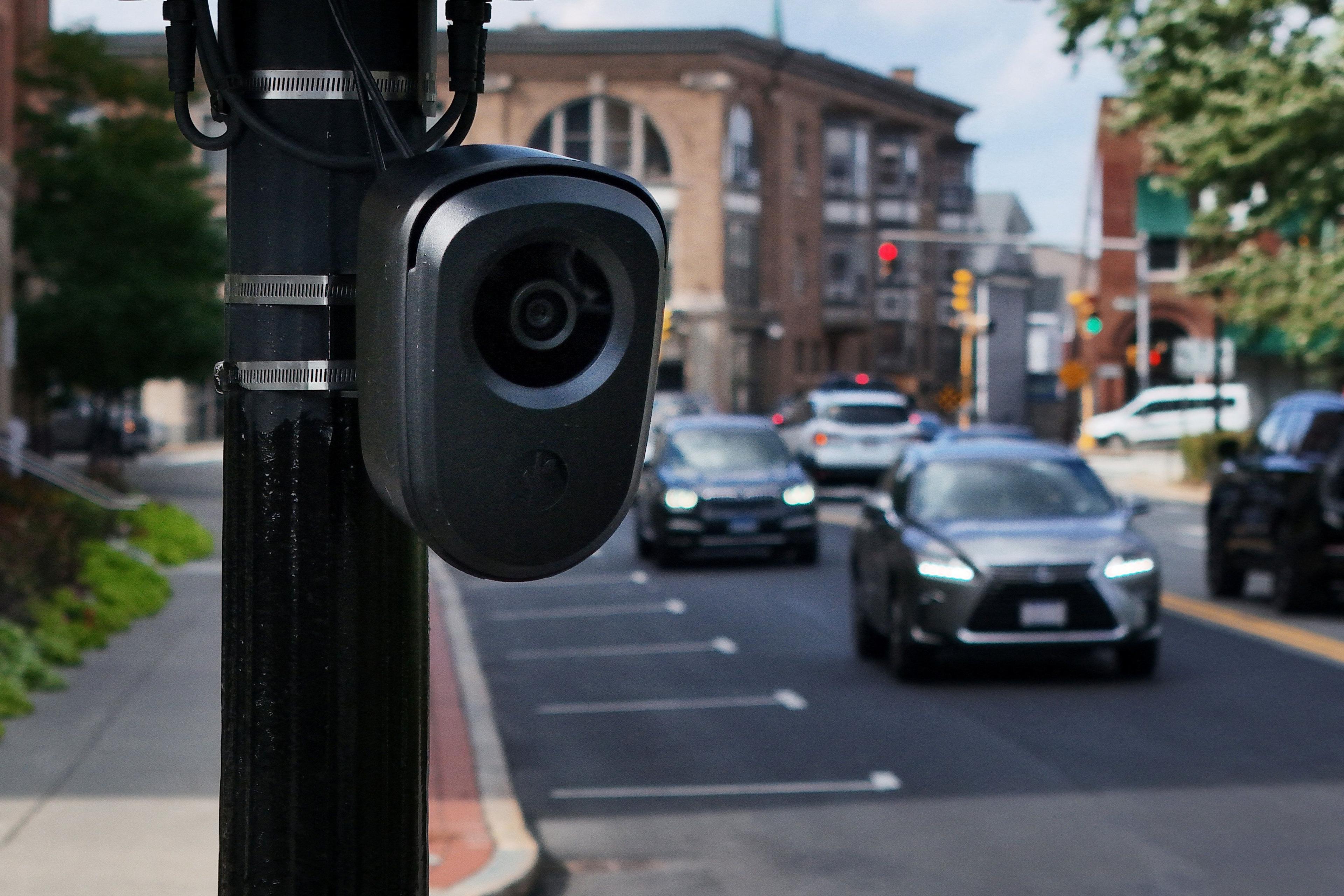
The officers involved did not wear body cameras at the time of the shooting; no footage has yet been made public. DHS spokespersons announced that half of the field officers had been fitted with body cameras and that the remainder were expected to receive them within 60 days.
In response to the incident, senior Congress members representing Texas—Sylvia Garcia, Al Green, Lizzie Fletcher and Christian Menefee—have urged an independent investigation. They criticized the DHS explanation which they claim echoes prior accounts of unnecessary force by ICE, referencing previous cases of citizen deaths at federal sites.
The U.S. Federal Bureau of Investigation is leading an inquiry into a potential assault on an ICE officer, while the Office of Inspector General for DHS is investigating the shooting itself. The Houston Police Department (HPD) has offered to assist the federal probe; the chief noted that local law enforcement lacks independent jurisdiction over federal agents conducting official duties, yet pledged support for a thorough investigation.
Internationally, Mexico’s Foreign Minister Roberto Velasco announced that the Mexican government would file criminal complaints in the United States over the deaths of 14 Mexican nationals in ICE custody or operations. He stated that the priority is to treat these deaths as criminal matters, aligning with Mexico’s request for a formal investigation.
The death of Salgado Araujo joins at least eight fatalities during the Trump administration’s immigration law enforcement campaigns. No ICE officers have so far faced charges in any of these incidents, underscoring the problematic pattern of unexamined force use.
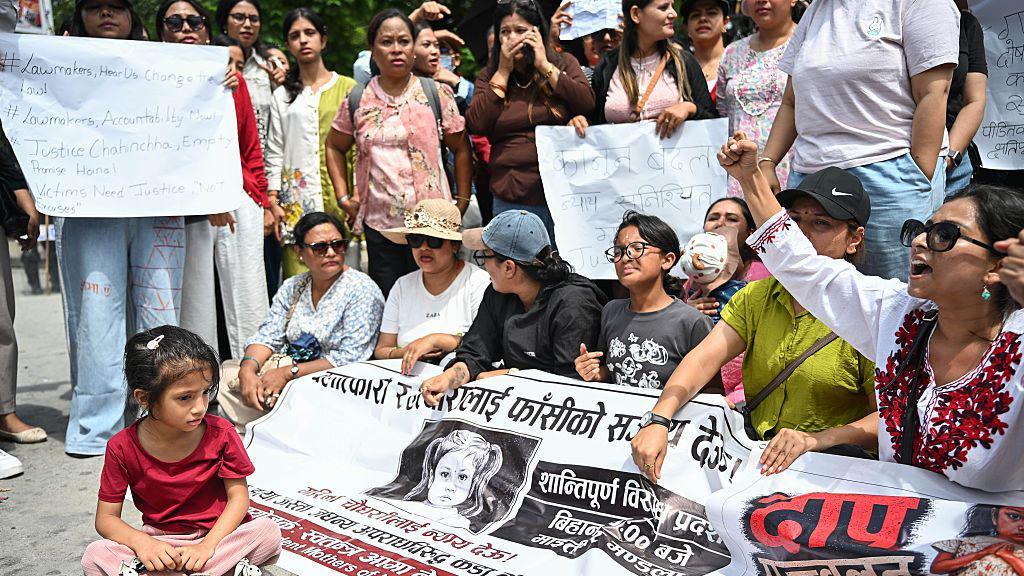
The incident has sparked protests downtown in Houston, spurring the city’s mayor and other officials to call for accountability and transparency. The case highlights the need for clearer oversight mechanisms, adequate body‑camera deployment, and an unambiguous chain of responsibility when federal law‑enforcement officers engage with civilians.