Venezuela’s interim government will begin formal talks with opposition members starting 1 August, announcing an effort to create a "route map towards democracy".
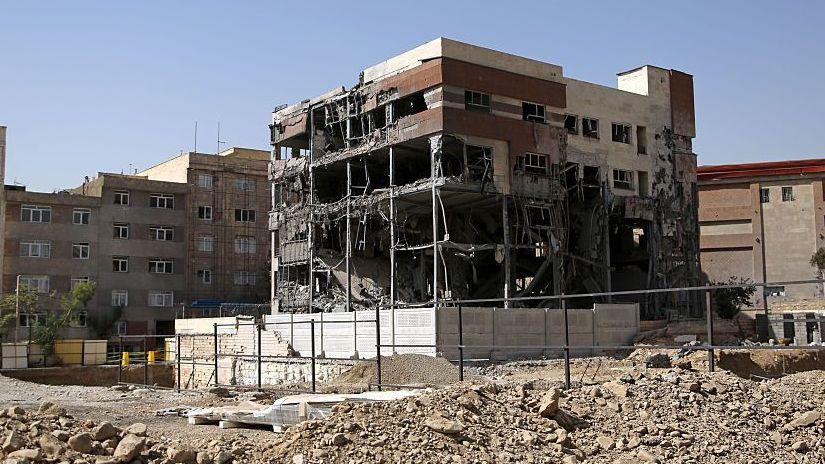
The decision follows a U.S.‑led dawn raid that seized former President Nicolás Maduro and sent him to New York to face drug‑trafficking charges. It may also be a reaction to the twin earthquakes that struck the north of the country on 24 June, which killed at least 4,734 confirmed people and destroyed infrastructure.
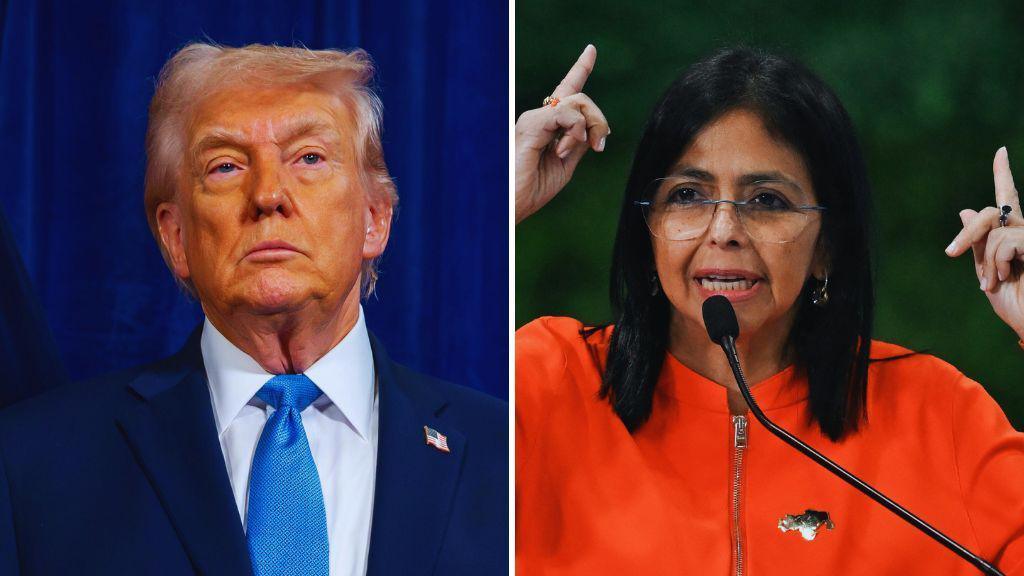
Delcy Rodríguez, former Vice‑President and current interim President, has led the government through a period of U.S. support since her appointment. Speaking accompanied by his brother Jorge Rodríguez, who heads a government‑controlled National Assembly, the government said unity was essential for reconstruction and peace.
Opposition leaders, largely former lawmakers elected in 2015, claim that their priority is to strengthen democratic institutions and the electoral system, which has long been dominated by loyalists that declared Maduro the winner of the 2024 election despite independent tallies favoring opposition candidate Edmundo González. The opposition, led by Dinorah Figuera who returned to Venezuela after almost eight years in exile, says the U.S. has provided necessary support in the wake of the quakes.
The opposition has faced persecution; many have been jailed or forced into exile. According to the prisoners’ rights group Foro Penal, 372 political prisoners remain in custody. María Corina Machado, a prominent opposition figure who received the Nobel Peace Prize in November, has yet to return to the country after a controversial attempt to enter post‑quake Venezuela.
The interim government’s announcement has sparked debate about the balance between U.S. influence and genuine democratic reform in Venezuela’s political future. The talks, scheduled to begin on 1 August, are expected to address governance, elections, and rule of law.