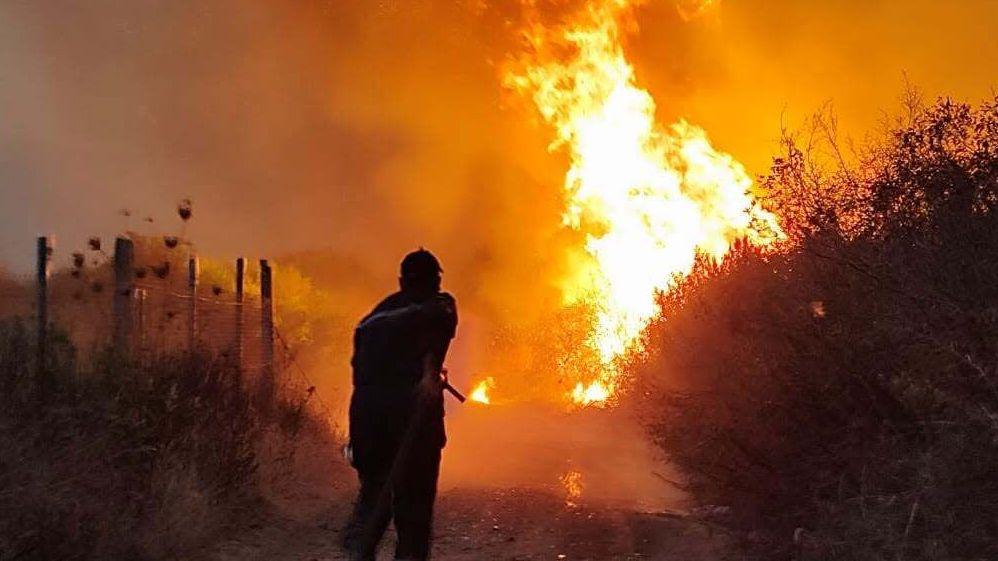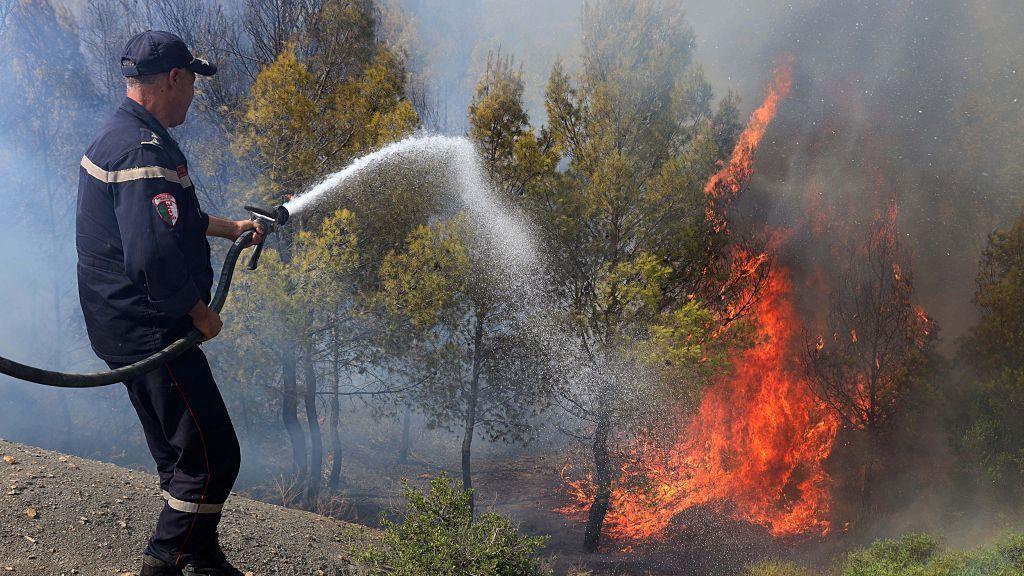
On Thursday, as the inferno that burned through the Gironde region reached its tenth day, officials and firefighters in the village of Le Porge discovered a trove of more than 400 unexploded World War II shells, prompting urgent de‑mining work.
Local fire commander Victor Lemaire said the explosions heard toward the middle of the second night were not gas cylinders as initially suspected, but the heat detonating buried military ammunition. The shells, identified as French and German mortar and anti‑tank rounds, were found hidden underground, a reminder of the extensive WWII armaments stored across southwestern France.
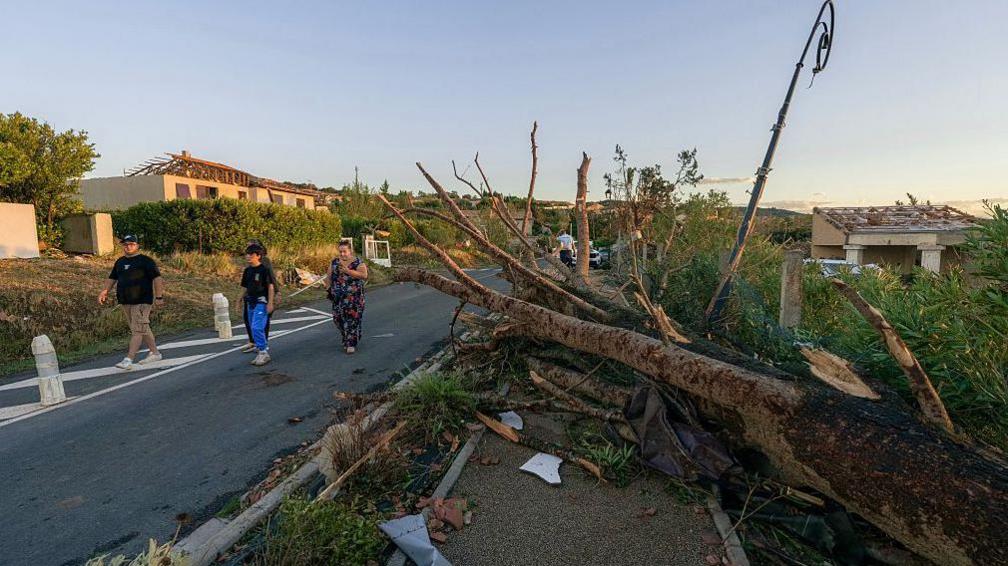
Mayor Martial Zaninetti described the blasts as “the sound of war” and reported that more than 180 homes suffered severe damage. While most residents are now returning, authorities have kept certain areas—such as the ocean fronts, the La Jenny campsite, and the coastline—closed until the risk is fully cleared.
Prime Minister Sébastien Lecornu praised the firefighters, highlighting that the battle against the fires had entered a “new phase,” and noted that over 330,000 people had been evacuated across France and Spain during the recent wildfire surge. France’s southwestern region suffered one of the largest forest fires since the war, with 42,000 hectares lost.
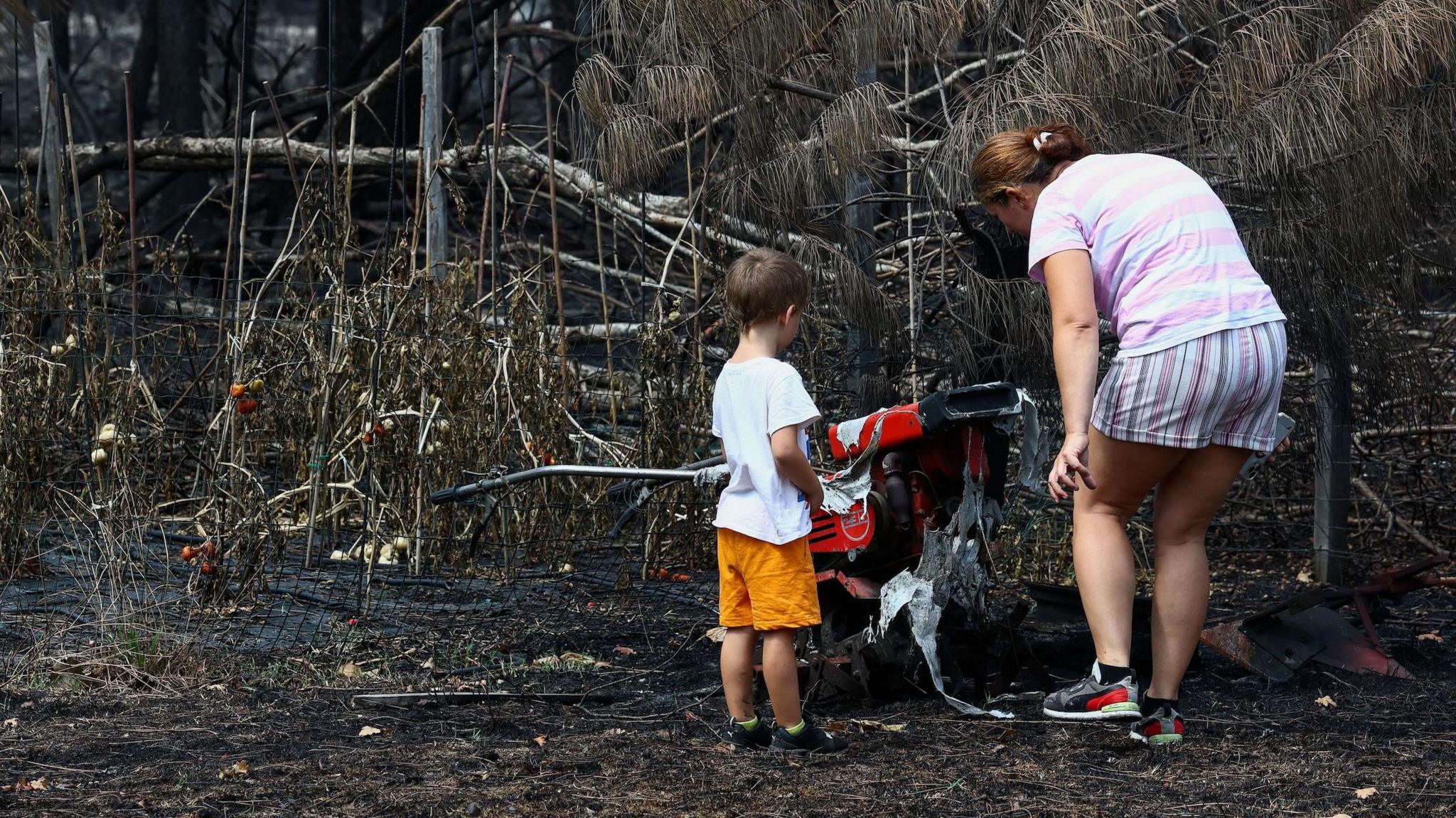
Images of charred buildings and families sift through the remains capture the stark reality of the community’s loss. Residents of Le Porge face a lengthy recovery as authorities continue to displace munitions and coordinate rebuilding, set against a backdrop of heightened fire risk across Europe.