
In brief
Following a devastating plane crash in South Korea, families of the victims have become targets of online harassment and skepticism, igniting discussions about the social and economic factors fueling hate speech. Experts note that financial envy and political tensions may be contributing to this harmful behavior, even as authorities take steps to address the issue.
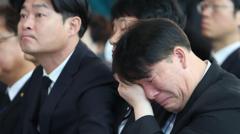
In December, a tragic plane crash involving Jeju Air left many families devastated, particularly Park Guen-woo, who lost both parents. The incident, which occurred when the plane crash-landed at Muan International Airport, resulted in 179 fatalities out of the 181 passengers on board. As these families attempted to navigate their grief, a wave of online vitriol emerged, targeting them with baseless accusations of exploiting their personal losses.Park, now an orphan at 22, was alarmed to find himself confronted with cruel conspiracies and mockery concerning the victims. Some internet users accused bereaved families of being "thrilled" about receiving compensation, while others labeled them "fake victims." This prompted police investigations that led to the arrest of eight individuals involved in spreading defamatory posts, with authorities removing at least 427 such comments.Experts suggest that South Korea's challenging economic landscape and a culture of competitiveness could be fostering this atmosphere of hate. Historical context reveals that similar instances of online abuse targeted families of victims from past tragedies, including the 2022 Halloween crowd crush and the 2014 Sewol ferry disaster. Professor Koo Jeong-woo highlights how societal pressure and economic woes lead to hateful sentiments, as individuals grapple with their circumstances by diminishing the experiences of others.Park expressed the pain of being characterized as a "parasite squandering the nation's money," citing a fundraising effort for the bereaved that drew a torrent of disparaging comments. He emphasized that the perception of families profiting from loss only exacerbates their grief, stating, “Even if compensation for the accident comes in, how could we possibly feel like recklessly spending it when it is the price of our loved ones' lives?”Koo notes that these sentiments stem from a broader mindset where competition and comparison thrive, which fuels hate speech. "We tend to compare a lot... if you put someone else down, it's easier to feel superior yourself," he added, suggesting that feelings of disadvantage can lead to misplaced anger.In the realm of online discourse, the political climate has only intensified emotions around the crash. The tragedy coincided with increasing tensions surrounding the government of suspended President Yoon Suk Yeol, with critics assigning blame to the opposition Democratic Party for the airport's history. Such politicization of personal grief has led individuals like Park Han-shin, who lost his brother in the crash, to experience baseless labels of being a "fake bereaved family member."This environment of mistrust and hostility surrounding bereaved families poses serious implications for their healing processes. Family members have taken to social media to defend their loved ones against slanderous claims, with one man's daughter expressing deep concern for her father's mental state amid the abuse.In the wake of this tragedy, experts urge social media platforms to take stronger stances against hate speech and promote empathy. "Online users should be able to report malicious posts... platform companies must actively delete such content," Koo stressed. Furthermore, fostering a sense of shared humanity can shift perspectives, as highlighted by psychology professor Joshua Uyheng, who advocates for understanding that tragedies should invoke compassion rather than condemnation.As the fallout from the Jeju Air crash continues, the discourse surrounding online hate underscores the pressing need for a cultural shift towards empathy and understanding, especially for those enduring unimaginable loss.


