
In brief
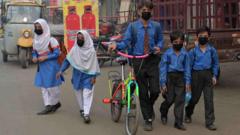
Schools in various regions of Pakistan have announced a suspension of outdoor activities for students until January 2025 due to unprecedented levels of air pollution. Recent reports indicate that Lahore has earned the dubious distinction of being the most polluted city globally, with the Air Quality Index (AQI) hitting hazardous levels. As air pollution escalates, health officials have advised vulnerable populations, including children, to remain indoors. The Punjab Environment Protection Department issued a high alert last week in response to worsening conditions.
In neighboring India, particularly in Delhi, air quality has also deteriorated significantly, with pollution readings exceeding the World Health Organization's safe limits by more than 30 times in several areas. Many experts attribute soaring pollution levels to a combination of weather factors, agricultural practices like crop burning, and the widespread use of firecrackers during the Diwali celebrations, exacerbating already dire air quality.Farmers commonly engage in the practice of burning crop stubble in November and December, which generates massive smoke clouds and further deteriorates air quality in affected regions. As conditions worsen, educational institutions are grappling with the repercussions on student health and wellness, highlighting the urgent need for sustainable solutions to combat air pollution in South Asia.
