In brief
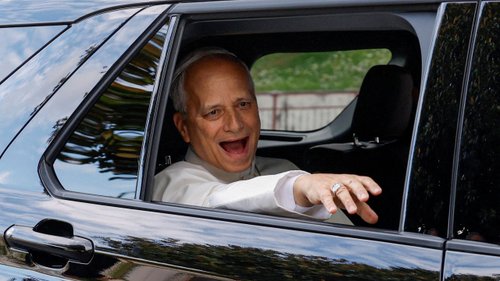
In a groundbreaking decision, Cardinal Robert Francis Prevost has been elected as the first American pope of the Roman Catholic Church, adopting the name Leo XIV. His election comes during a time of transition following Pope Francis' death and raises questions regarding the future direction of the Church, especially concerning inclusivity and social justice.
Cardinal Robert Francis Prevost has made history by becoming the first American pope, taking the name Pope Leo XIV following a second-day election in the Vatican conclave. His ascension comes during a transitional period for the Catholic Church, which now encompasses 1.4 billion followers worldwide. As he addressed the enthusiastic crowd gathered in St. Peter’s Square, he emphasized his commitment to peace, stating, “Peace be with you.”White smoke emerging from the Sistine Chapel’s chimney confirmed that the conclave of 133 cardinals had successfully selected a new leader after more than 24 hours of deliberation. Prevost’s election defied expectations within the Church, as many believed the possibility of an American pope was a long shot prior to the conclave. Dominating the proceedings were splits among the electors regarding the Church's future direction and the legacy of his predecessor, Pope Francis, who was known for advocating inclusivity and reform.Prevost, 69, who spent significant time abroad and worked extensively in Peru, embodies a vision that transcends national boundaries. He is a member of the Order of St. Augustine and focuses on serving marginalized communities. His election represents a continuation of the internationalization of the papacy seen over the past several decades, with previous leaders hailing from Poland, Germany, and Argentina.Although he shares Pope Francis's dedication to social justice and outreach to the impoverished and displaced, his views on LGBTQ+ advocacy remain uncertain. In a past address, he criticized mainstream media portrayals of alternative family structures that diverge from traditional teachings of the Church, which has raised concerns about how inclusive he will be as pontiff.Reactions to the election of the first American pope varied widely, especially among Americans celebrating the momentous occasion with flags as they received congratulations from international onlookers. The context in which Prevost was elected also highlights the stable Catholic demographic in America, where roughly 20% of the adult population identifies as Catholic.Both the global Catholic community and observers are now turning their attention to the legacy that Leo XIV will forge and how he will shape the Church's agenda on social issues in the coming years. In his first speech, he called for unity among believers and noted the importance of creating a “synodal church” that prioritizes compassion and inclusiveness.As Pope Leo XIV prepares to embark on his papal journey, the world watches closely for his direction amidst an era rife with challenges and opportunities for the Catholic Church.