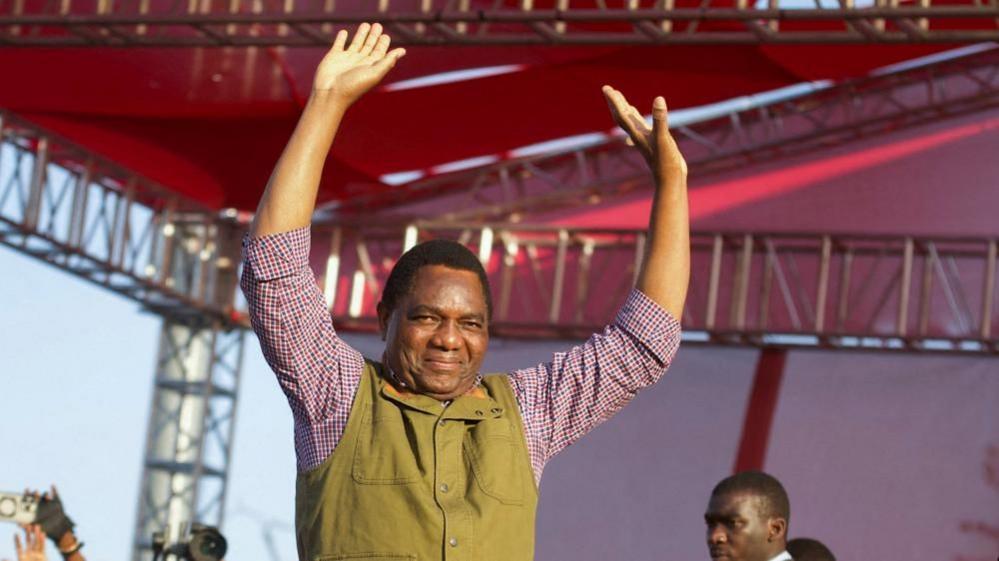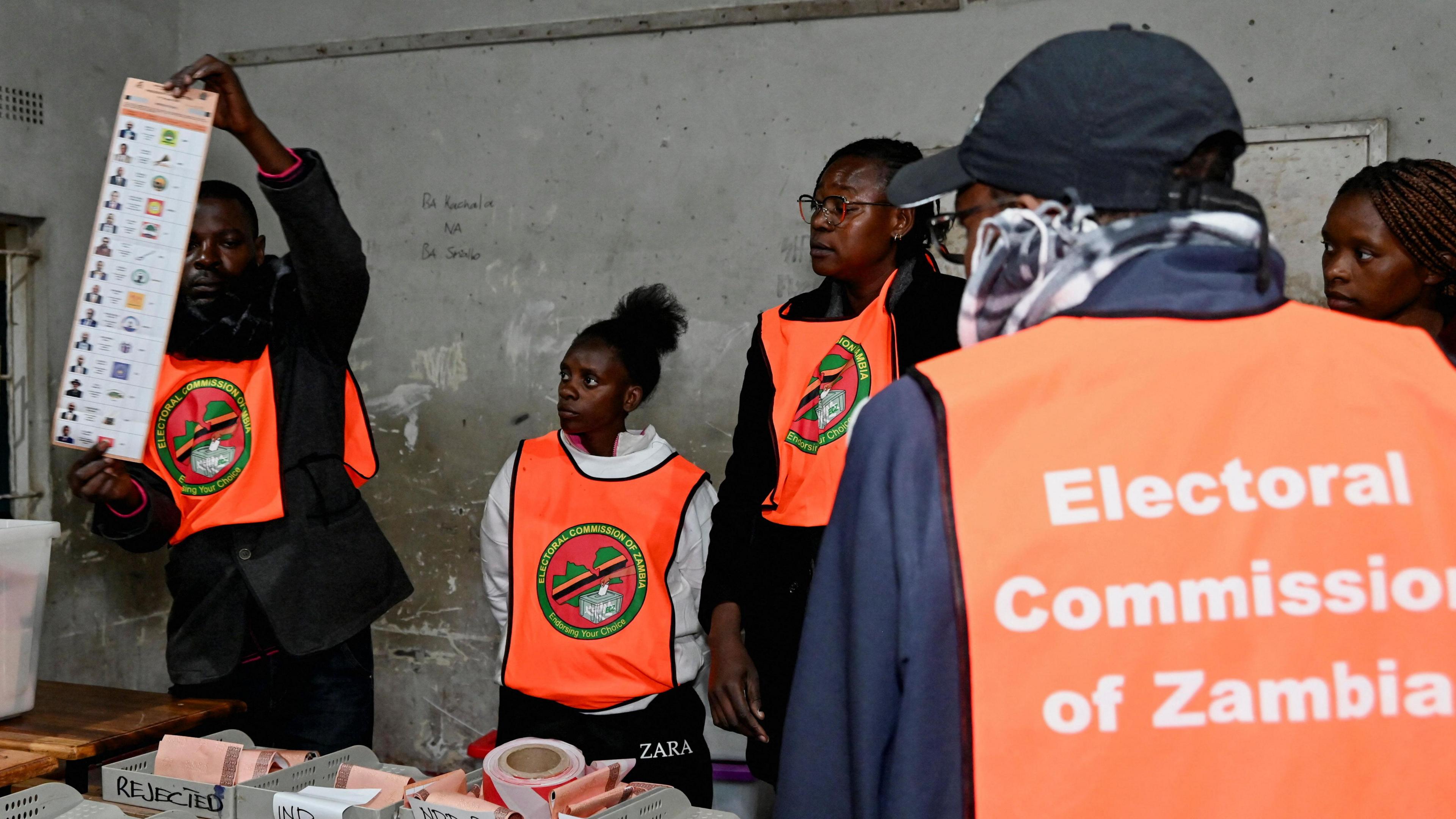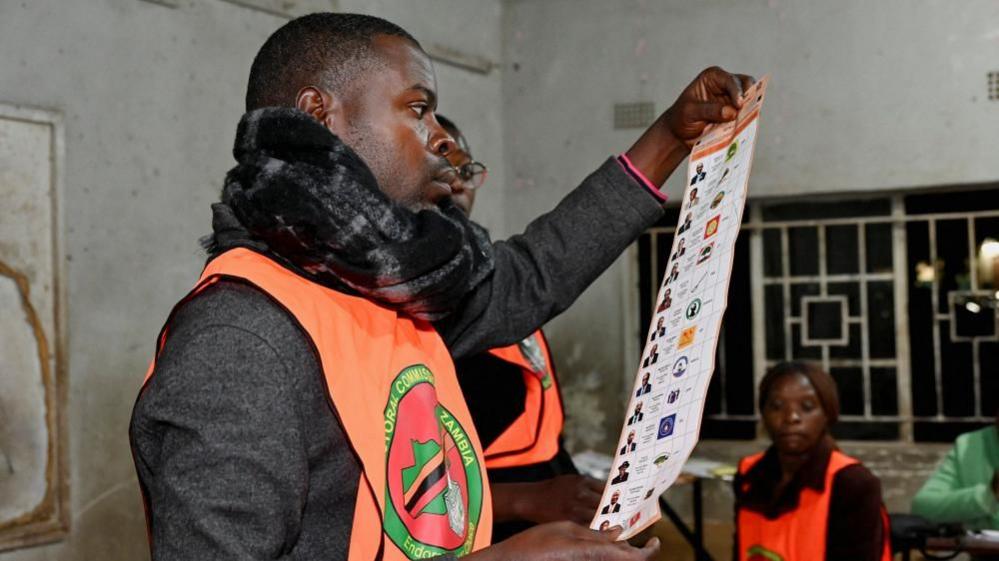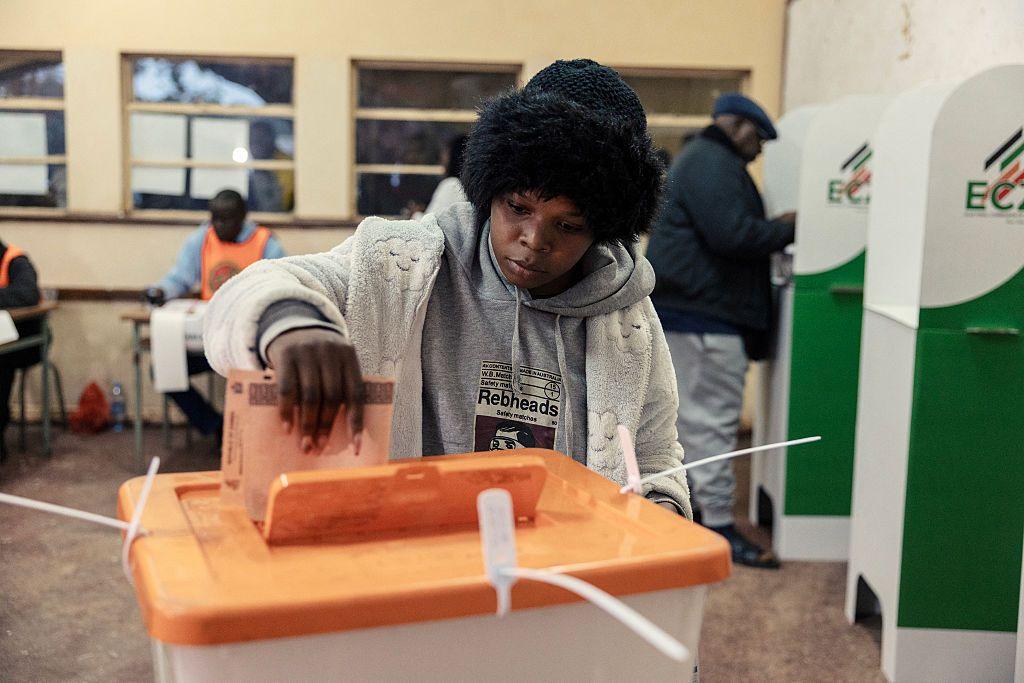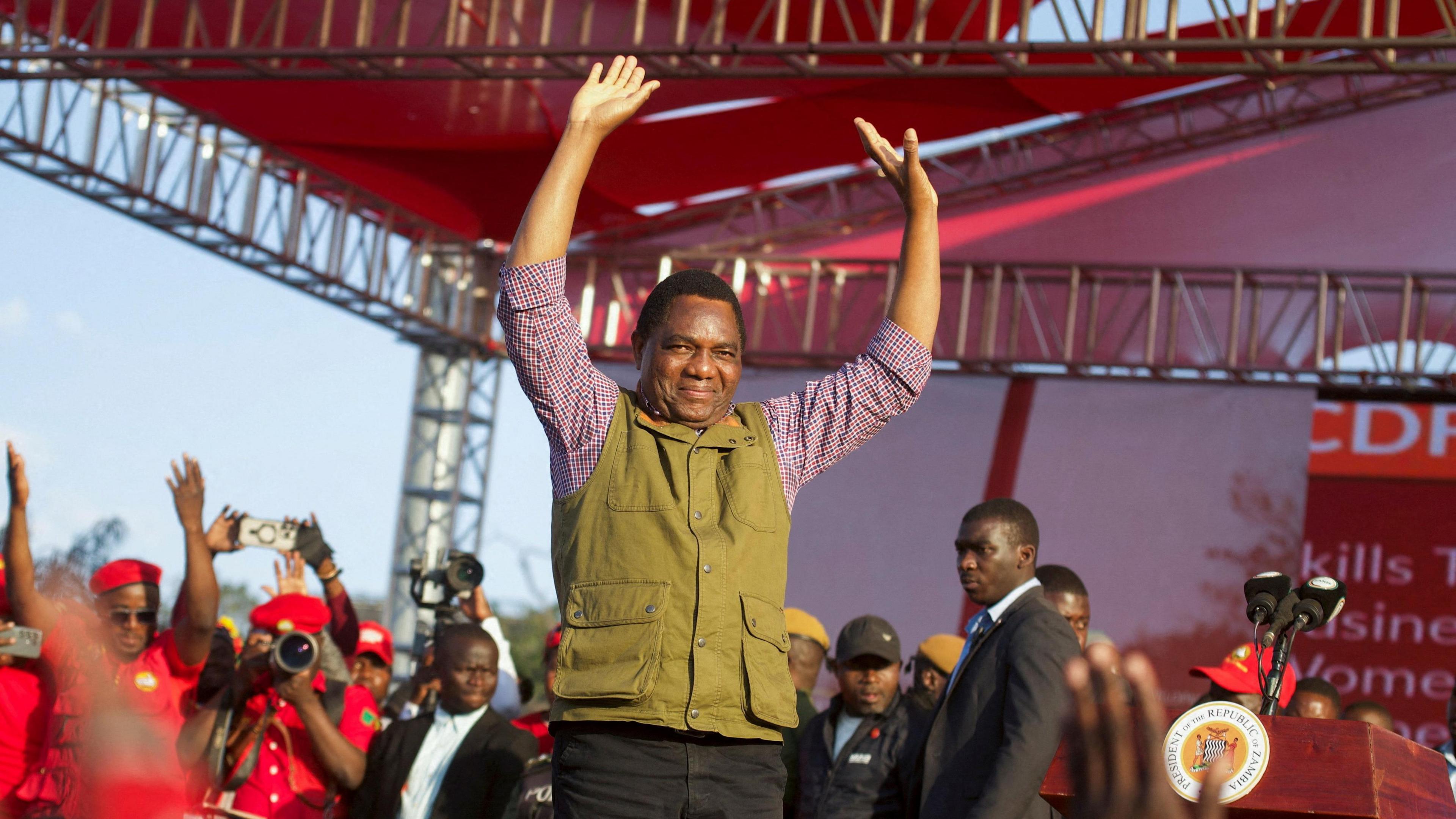
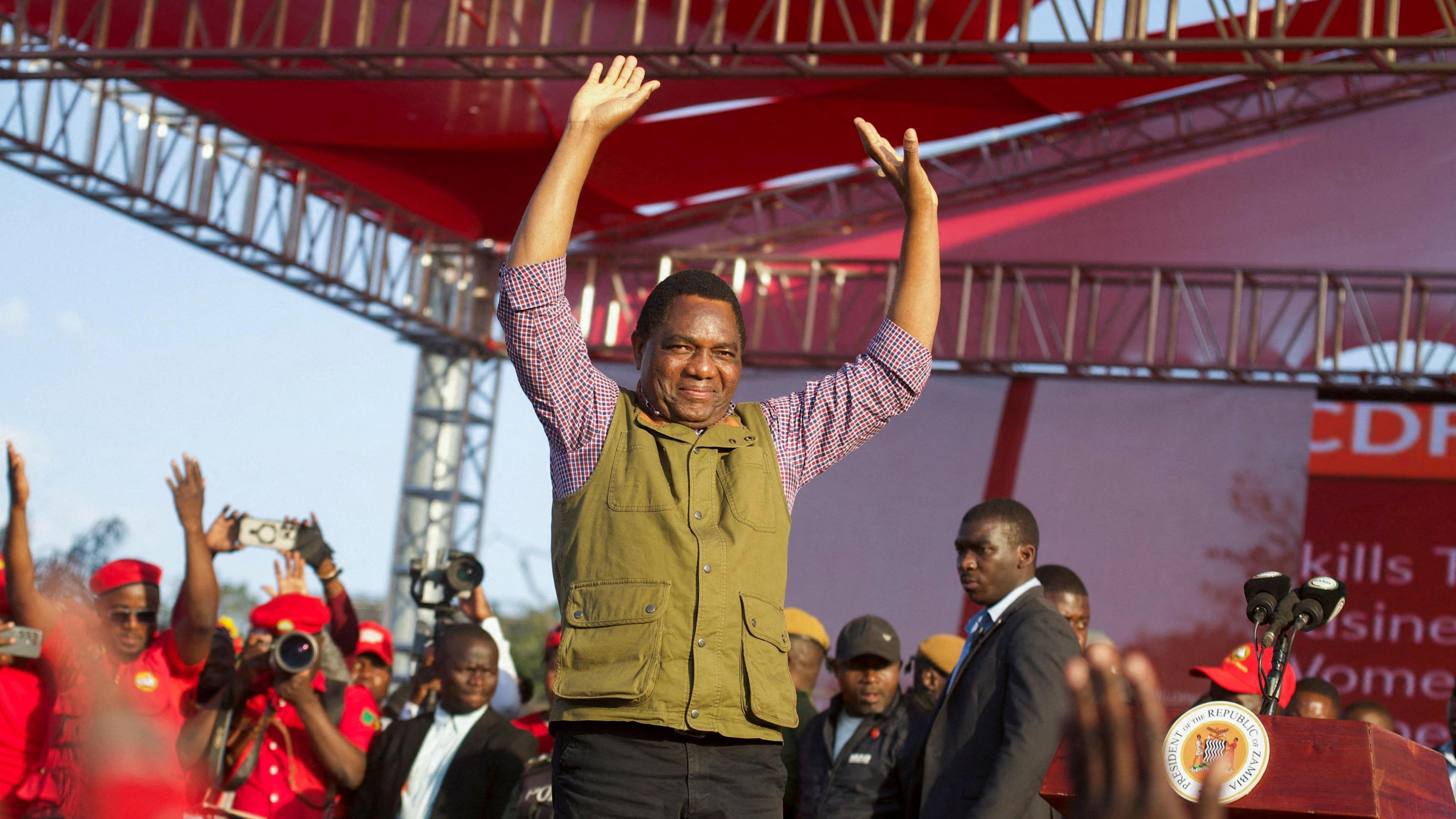
Zambia’s President Hakainde Hichilema has been re‑elected for a second five‑year term, securing 60% of the vote in the latest general election. The result, released by the national electoral commission, lay well within the range of expectations set by pre‑election polls.
His closest rival, Brian Mundubile, garnered 38% of ballots, while the remaining twelve candidates received negligible shares. Mundubile, who has led a robust campaign, later lodged formal complaints alleging irregularities in the tallying process—claims that were not substantiated with evidence.
In a controversial turn of events, authorities arrested several prominent opposition figures on Friday in a raid that the government described as a crackdown on alleged insurgents. The opposition denied the accusations, calling them a fabrication designed to suppress dissent.
Following the announcement, Hichilema expressed gratitude to the electorate, stating: “We are truly humbled by the trust you have placed in our hands.” He reinforced Zambia’s reputation as a “peaceful, law‑and‑order country where disputes are settled at the ballot box, not through violence.”
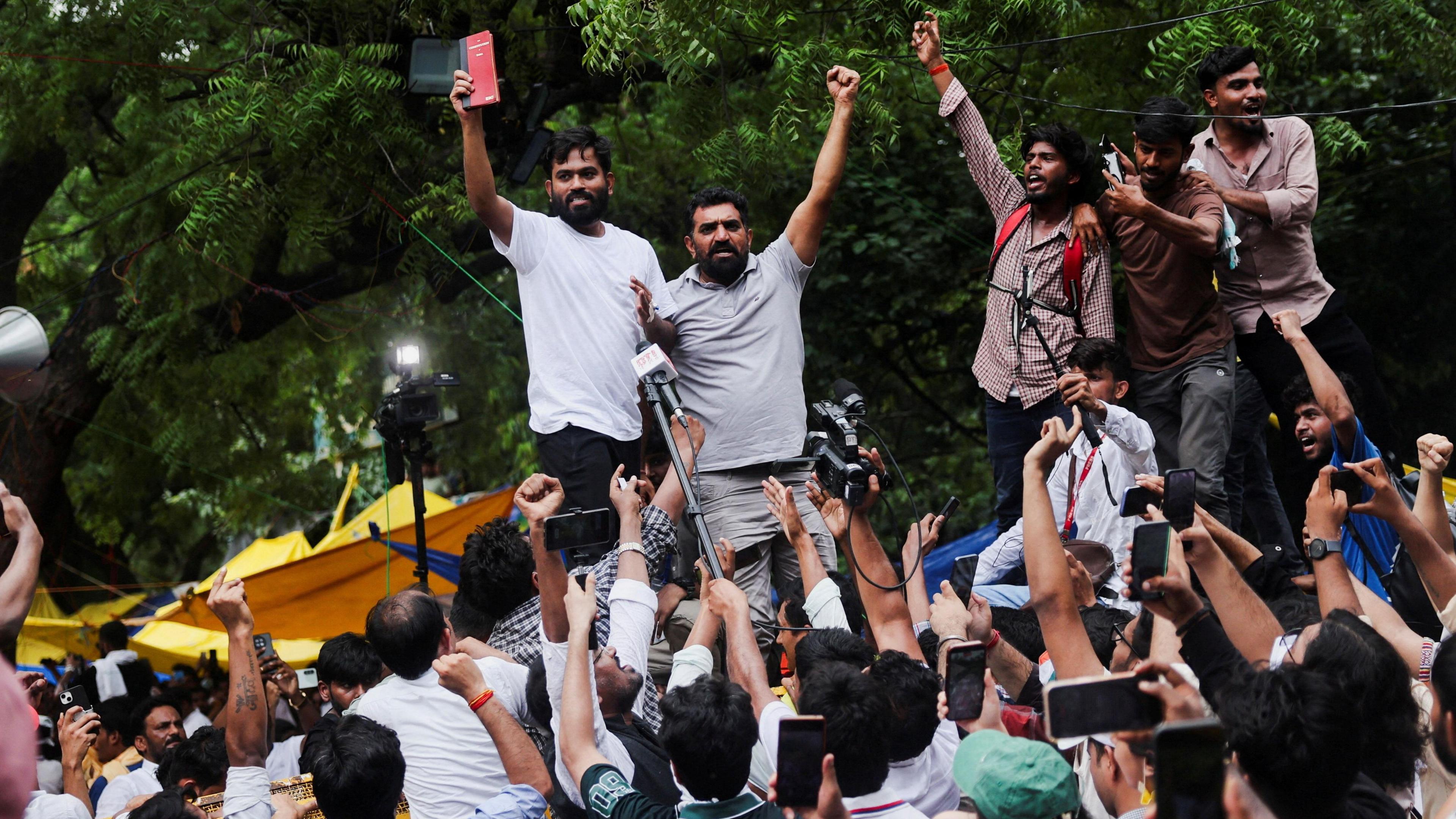
Representatives of the United Party for National Development celebrated the outcome, with thousands of supporters in red marching through Lusaka’s streets. The atmosphere remained largely peaceful, consistent with the country’s record of peaceful transitions since the re‑introduction of multiparty democracy in 1991.
Nevertheless, Mundubile and his camp voiced concerns over logistical integrity. He alleged that armed personnel had invaded his home, breaking doors and threatening occupants—a claim that the Supreme Electoral Court later disputed.
Observers from regional bodies such as SADC and the European Union highlighted potential barriers to entry for opposition parties, citing late‑stage election reforms that may have tilted the playing field. While the European mission applauded the largely peaceful conduct on election day, it expressed alarm at the break‑through suspension of vote tallying over reports of violence and ballot paper theft.
The declared outcome may face formal challenges in Zambia’s courts. If opposition parties pursue legal avenues, judicial scrutiny will be paramount in maintaining the integrity of Zambia’s electoral framework.