In brief
Simbarashe Kundizeza, who took home the £10,000 Caine Prize for his short story "The Blue Fighter", has denied that the piece was written by an artificial intelligence. The claim arose after a U.S. magazine reported that AI‑detection software identified the story as machine‑written. Kundizeza told social‑media users he remained the author and provided a documented timeline of the writing process. The Caine Prize organisers, led by chair Ellah Wakatama, are conducting an internal review and have invited Kundizeza to submit drafts to verify his claim. The debate has highlighted wider concerns about AI‑detectors’ accuracy and the potential bias against writers from non‑white backgrounds.
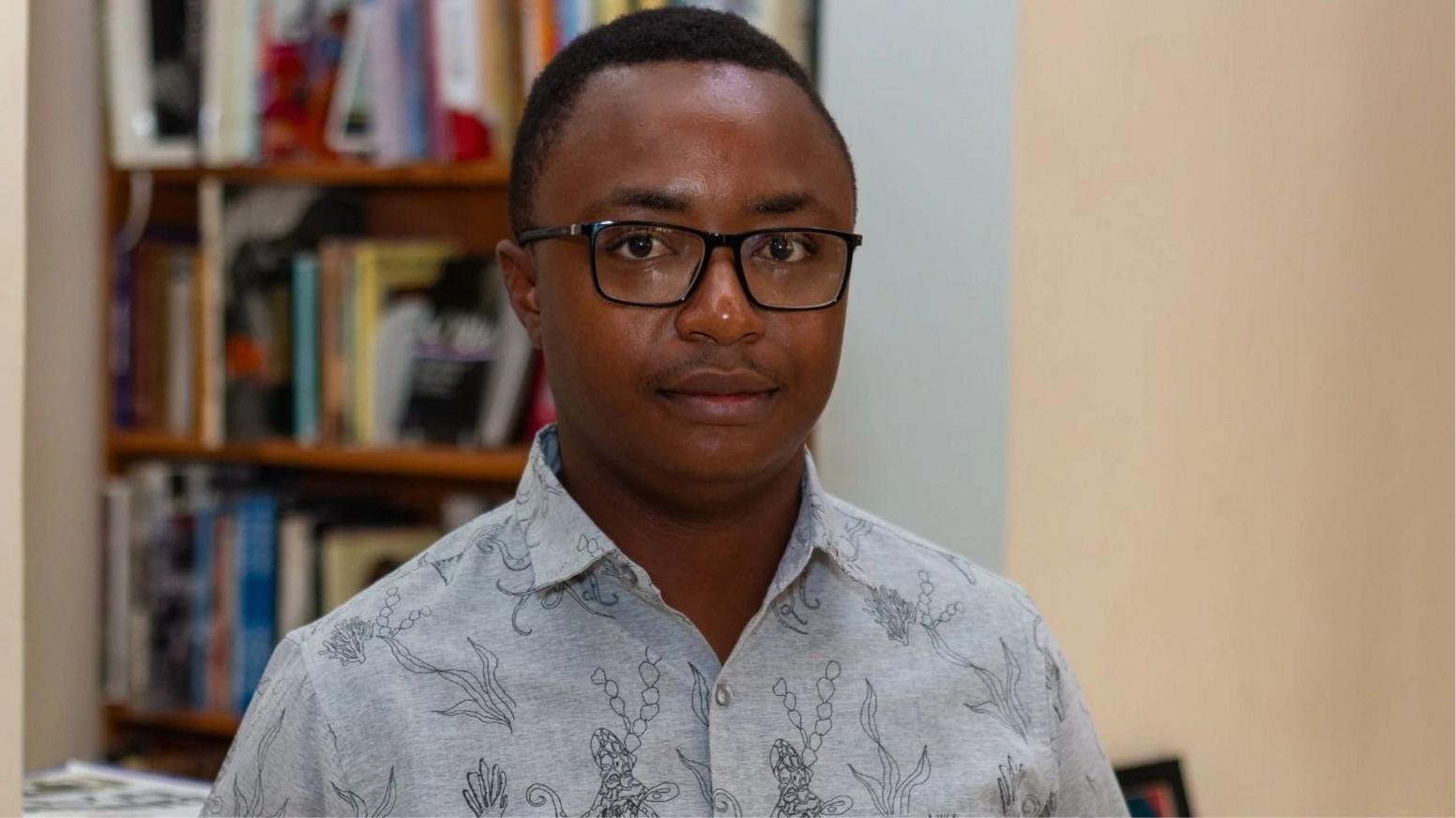
Simbarashe Kundizeza, a Zimbabwean writer who stole the spotlight with his Caine Prize–winning short story, has publicly denied that it was created by artificial intelligence.
Two weeks after claiming the £10,000 prize, a U.S. magazine reported that AI‑detection software called Pangram had flagged the story as entirely machine generated. Kundizeza replied on X, stating unequivocally that he “wrote The Blue Fighter.” He offered a chronology of inspirations and drafts to support his claim.
Chair of the Caine Prize board, Ellah Wakatama, said the award body was shocked that the magazine had published the accusation before a formal investigation. Wakatama has opened a review, inviting Kundizeza to provide copies of early drafts and to meet with judges and the review that first published his work.
Wakatama also expressed concern over the reliability of Pangram and similar tools. Citing a recent study, she noted that AI detectors can misidentify non‑native English writers as machine‑written, and that such tools should be only a first sign of suspicion rather than a verdict.
The controversy has recruited criticism from other African writers, who point out that accusations of AI use tend to target Black and African authors more frequently. Nigerian publisher Modupe Daramola called the scrutiny “sinister” and questioned the use of a still‑unverified AI detector as a judge of literary work.
Regardless of the outcome, the Caine Prize board has reaffirmed that it does not require AI vetting as part of its selection, and that it will continue to investigate the matter thoroughly before any conclusions are drawn.