In brief
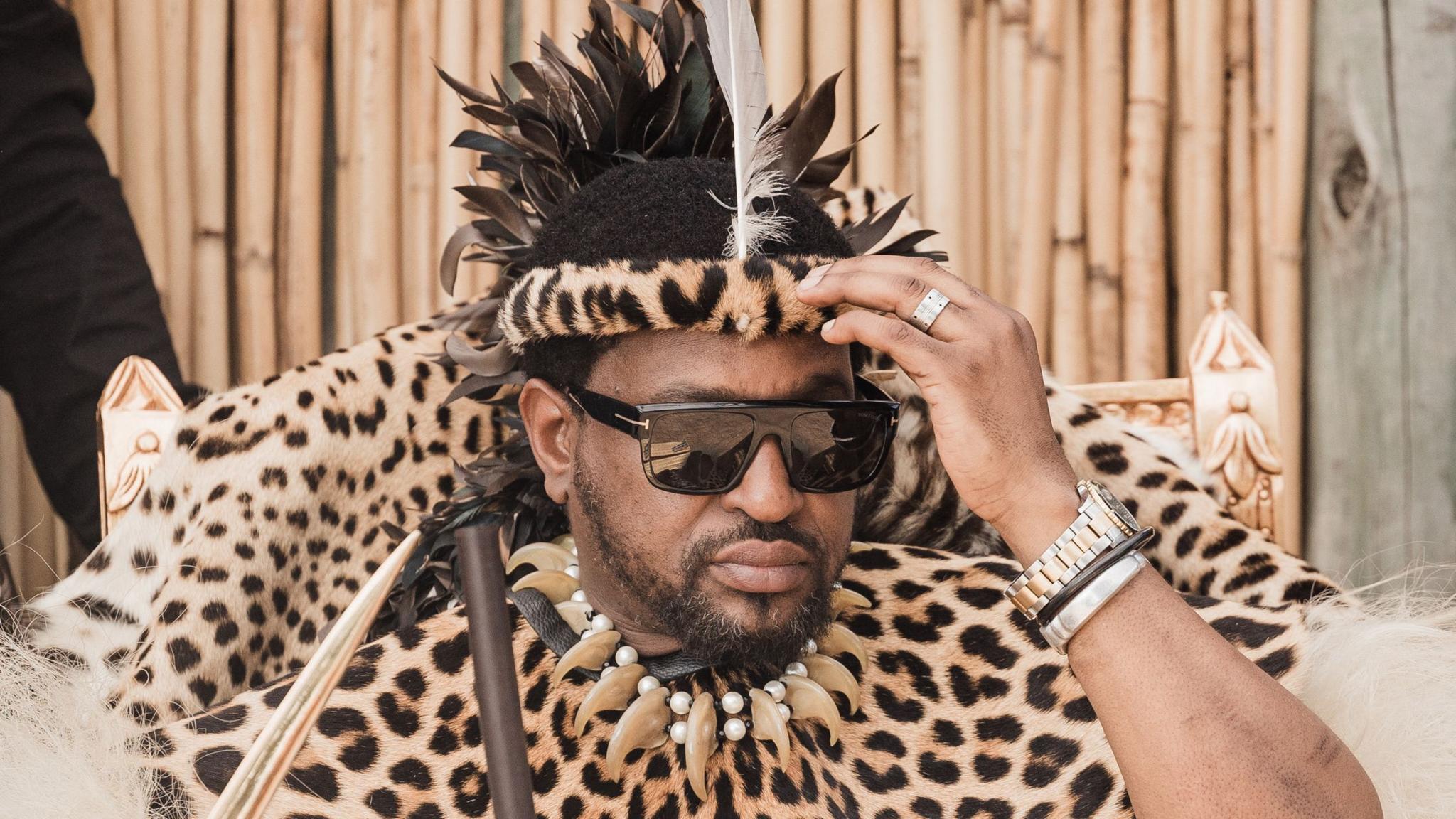
A video of King Misuzulu kaZwelithini harassing his wife Nomzamo Myeni has been widely shared, leading the king’s office to issue a statement expressing regret over the outburst. The clip, which depicts the king calling the queen an unfaithful spouse and demanding her leave, sparked controversy across social media. Critics framed the king’s conduct as domestic violence, while others defended the royal’s decision to publicly record the encounter as a matter of transparency. In a broader context, the incident highlights the patriarchal nature of Zulu society and raises questions about the role of the monarchy in modern South Africa.
In a surprising turn of events, King Misuzulu kaZwelithini of the Zulu nation released a statement of deep regret after a hidden camera record exposed him hurling a barrage of insults at his third wife, Queen Nomzamo Myeni. The footage, which was made public last Wednesday, shows the monarch demanding the queen leave the house while accusing her of an affair, culminating in a threat of physical assault.
The clip, which gained millions of views, was initially silent until the end, when Myeni uttered a chilling line: “This is the life I live, day and night.” The authors of the video are unspecified, but the king’s spokesperson said the clip was leaked and that it captured a “difficult circumstance” that has since been replaced by a spirit of reconciliation.
In an official statement, Misuzulu’s office apologized for the “pain” and “embarrassment” caused to fellow royals and the wider Zulu community. It clarified that the video is a historical snapshot and does not reflect the current state of affairs within the royal household. The statement also highlighted the king’s role as a custodian of ancient traditions that place marriage and polygamy at the heart of regal success.
Political observers note that the Zulu king’s influence, while ceremonial in a constitutional sense, is still significant. A government‑funded budget of several million dollars a year is allocated to the royal household, and the king’s words can shape public discourse. The current incident has prompted scrutiny of how traditional authority intersects with modern democratic norms in South Africa’s multi‑tribal landscape.
Across social media, reactions were sharply divided. Some commentators accused Misuzulu of abusive behavior, calling the king’s outburst a form of domestic violence. Others defended the queen for airing what they described as a private grievance, arguing that the public airing of the dispute could serve as a cautionary tale for other families. Influential journalist Asanda Magaqa remarked that, while she would not support recording every private moment, she understood why Myeni felt compelled to keep a record of the incident.
Within the broader cultural context, the episode highlights deeply entrenched patriarchal norms in Zulu society, where women often face expectations to comply with their husbands. South Africa remains one of the world’s worst performers on gender‑based violence, and the public debate around this video has shed light on how royal families manage domestic disputes.
Historical scholars point out that Misuzulu’s path to the throne was not straightforward. After a year‑long familial feud and disputes over rightful succession, the king was crowned amidst claims of forgery and contested wills. The incident also echoes a previous scandal involving his first wife, Queen Ntokozo kaMayisela, who sued to prevent the king’s marriage to Myeni on grounds of bigamy, only to be dismissed by a court that noted his willingness to take other wives.
In conclusion, this event has highlighted potential tensions between traditional royal authority and modern expectations of conduct. It has opened dialogues on gender equality, the role of monarchy in contemporary governance, and the boundaries between private family matters and public scrutiny.