
In brief
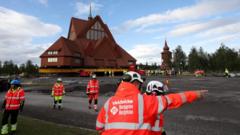
The historic Kiruna Church, weighing 672 tonnes and standing since 1912, is being moved 5 km to avoid damage from mining-related ground subsidence. The community shares a deep emotional connection to the church, viewing the relocation as both a preservation of history and a bittersweet farewell.
The Kiruna Church, a prominent local landmark built in 1912, is undergoing a historic relocation process to secure its future amid the challenges posed by ground subsidence from iron ore mining. Situated in northern Sweden, this vast timber structure is being moved entirely on specially designed rolling platforms, marking an engineering feat that is expected to take two days at a maximum speed of 500 meters per hour.The move comes as the old city center faces risks from ground fissures, leading to necessary relocations of various buildings since the mid-2010s. According to Sofia Lagerlöf Määttä, a local cultural strategist, this operation signifies a long-awaited step towards safety: "It's like finally, let's get it done. We've been waiting for so many years."Project manager Stefan Holmblad Johansson emphasizes the complexity and historical significance of the relocation. He notes the extensive preparations required to safely transport the church, which stands at an impressive 35 meters high and weighs 672 tonnes. Unlike many other structures that have been dismantled, Kiruna Church is being moved intact, supported by steel beams and transported on modular vehicles. The mining company LKAB, responsible for the iron ore operations, is financing the city's relocation efforts, which could exceed 10 billion Swedish krona (approximately $1 billion). The church's preservation during this process is paramount; features like the great altar painting, created by a member of Sweden's Royal Family, are too intricate to remove without risk of damage, so they will remain protected inside during the move.For local residents, the relocation represents more than just a physical shift; it brings forth a wave of nostalgia and emotional reflection. "This church has served as a spiritual center for generations," Määttä recalls, tying the move to personal memories of her childhood. Vicar Lena Tjärnberg expresses mixed emotions, acknowledging the need for relocation against the backdrop of community history: "I'm grateful that we're moving the church to the new center but also sorrowful to see it leave the ground where it truly belongs." As the church slowly inches along its route, it serves as a poignant reminder of the intertwining of community heritage and modern challenges, a moment that thousands are expected to witness, including Sweden's King Carl Gustaf. With live coverage showcasing this significant transition, residents are exemplifying the resilience of a community determined to retain its historical roots while adapting to change.

