
In brief
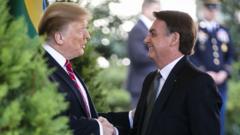
Trump’s recent tariff threats targeting Brazil could significantly disrupt US-Brazil relations, already frayed by political tensions. The proposed tariffs, reaching up to 50%, stem from claims that Brazil has mistreated US tech firms and engaged in a judicial “witch hunt” against Bolsonaro, who is embroiled in legal troubles over allegations of attempting to overturn the 2022 election results.
With the current Brazilian administration led by Lula da Silva, tensions have escalated, particularly after Trump linked tariffs to Brazil's membership in the BRICS alliance, which opposes US hegemony in global affairs. Lula publicly rejected Trump's stance on social media, asserting Brazil’s sovereignty.Brazil plans to retaliate with its own tariffs against American products, though the significant economic implications remain uncertain. Analysts note that Bolsonaro could gain politically from Trump's endorsement as he navigates political challenges but might face backlash if tariffs harm his agribusiness allies.Contrastingly, Lula may benefit from a rally-around-the-flag effect, uniting various political factions in defense of national interests against perceived foreign aggression, a sentiment echoed by various political leaders in Brazil. The complexities surrounding these tariff threats could redefine Brazil's political landscape as the country heads toward future elections.As the implications of Trump's tariffs unfold, they will likely influence not only Brazil's economy but also shape Bolsonaro's and Lula's political fortunes in the years to come. Would this reach for Bolsonaro consolidate support, or could it inadvertently bolster Lula's position amid nationalistic sentiments? The future remains uncertain, but the stakes are undeniably high in this evolving political drama.


