
In brief
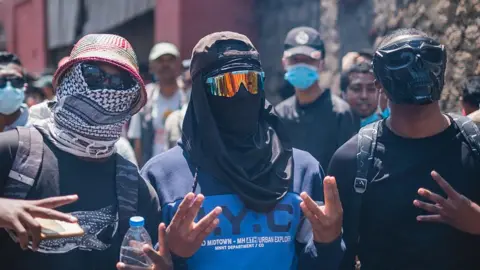
Madagascar is witnessing its largest protests in 15 years, primarily led by the youth movement Gen Z Mada. Triggered by basic necessities shortages and chronic power outages, the demonstrations have spread across multiple cities. After the government was dismissed by President Rajoelina, violence escalated, with reports of casualties disputed by the administration. Protesters are demanding political change as well as accountability for the violence, highlighting long-standing grievances against the government.
Thousands of people in Madagascar have taken to the streets in different parts of the country for the past week in the largest wave of protests the Indian Ocean island nation has witnessed in more than 15 years. What began as anger over shortages of basic necessities has rapidly escalated into one of the most serious challenges facing President Andry Rajoelina, who has been in power, for the second time, since 2018. On Monday, in response, he sacked his government but that did not placate the protesters. At least 22 people have been killed and more than 100 others injured in the unrest, according to the UN, although the Malagasy government has dismissed those figures and described them as based on 'rumours and misinformation'.The protests were sparked by the arrest of two city politicians who had planned a peaceful demonstration over power and water supply issues. The ensuing unrest rallied public support, with the youth-led group Gen Z Mada gaining traction on social media to organize the protests. The demands of the protesters have evolved from immediate grievances about public services to broader calls for the president's resignation and a restructuring of the National Assembly.The government’s response has included deploying security forces and imposing a curfew, but the measures have only intensified public anger. Analysts warn that the ongoing unrest could lead to further political fragmentation and violence if the government continues to suppress dissent without addressing the root problems. Madagascar, one of the poorest countries in the world, faces severe challenges, with a significant portion of its population living below the poverty line and struggling with inadequate public services. How Rajoelina chooses to navigate this crisis will be crucial for the country’s stability.

