
In brief
The fatal stabbing of Ukrainian refugee Iryna Zarutska on August 22 has drawn attention to racial dynamics in crime as political leaders and activists voice their opinions on the incident. Amid claims of 'Black-on-white crime,' experts argue that most violent crimes occur within the same racial groups, emphasizing the need for more nuanced discourse on safety and community relations.
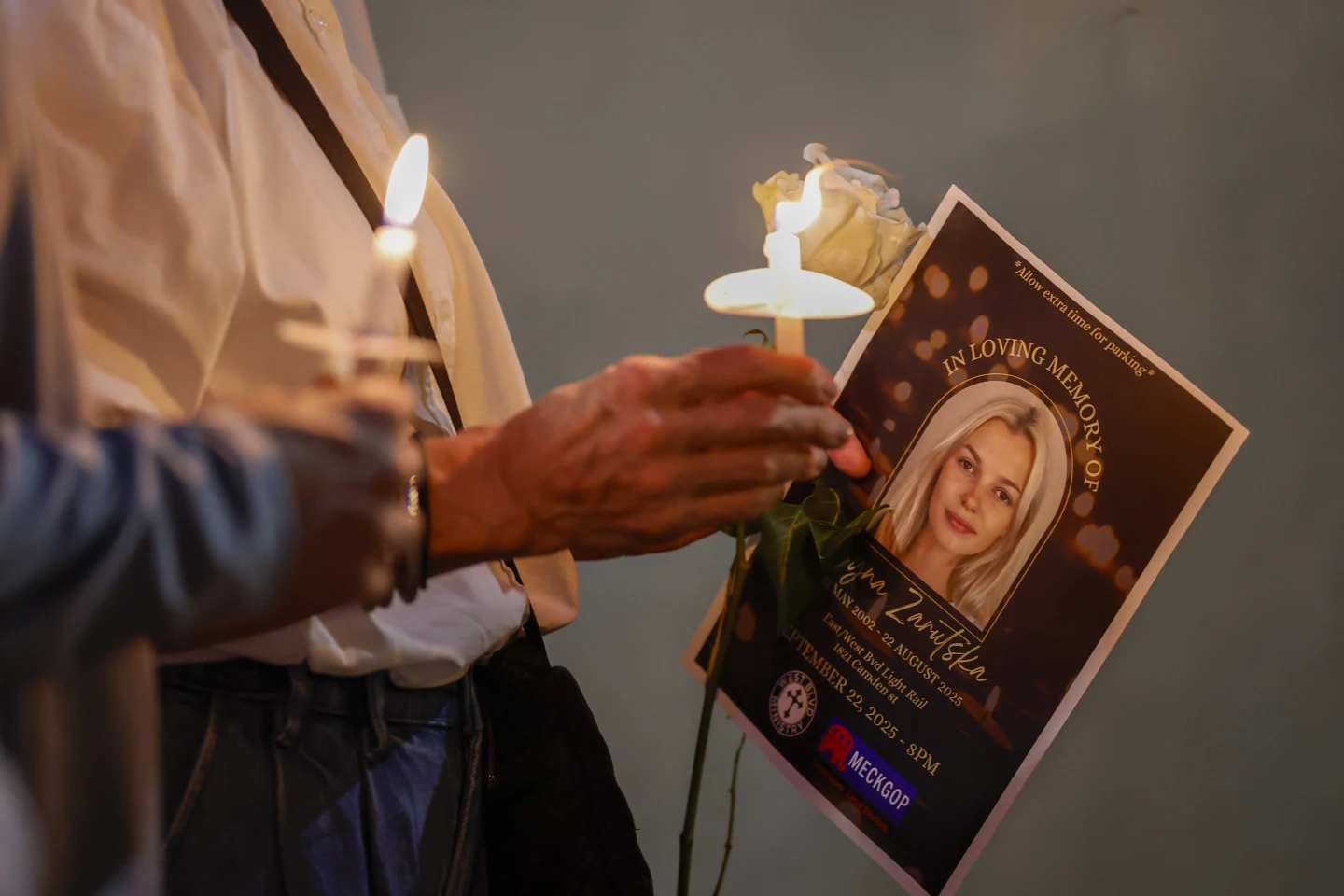
After Ukrainian refugee Iryna Zarutska was fatally stabbed on a North Carolina commuter train, the incident ignited a fierce debate about race and crime in America. The attack on August 22, captured on surveillance video and widely shared online, raised alarm and prompted discussions regarding victimization and offender demographics, especially as the alleged attacker was identified as a Black man.
Following the incident, North Carolina's Legislature responded by passing a criminal justice reform package named after Zarutska. This new legislation aims to limit bail eligibility for defendants and promote mental health evaluations, reflecting growing concerns over public safety and crime prevention.
The rhetoric surrounding the attack rapidly shifted to claims of “Black-on-white crime,” being amplified by figures in conservative media and politics. Critics of this narrative argue that it perpetuates harmful stereotypes about Black individuals and misrepresents crime statistics, which statistically show that violent crimes often occur within the same racial groups.
Charis Kubrin, a criminology professor at the University of California, Irvine, emphasized that violent incidents between victims and offenders of different races are “extremely uncommon,” with crimes more likely to occur among individuals from similar backgrounds and social circles. Federal crime statistics substantiate this claim, revealing that between 2017 and 2021, Black offenders represented approximately 15% of violent crimes against white victims, while the majority of violent offenses were intra-racial.
The death of Ms. Zarutska—notably a high-profile case—has spotlighted broader questions regarding public perception of crime, racial dynamics, and community safety. As political leaders navigate the debate, it raises critical issues about how society perceives, talks about, and ultimately addresses crime across racial lines.
In the wake of the tragedy, various organizations, including the Council on American-Islamic Relations, condemned the exploitation of the incident for political agendas that promote racial division. Advocates for racial equity argue that focusing solely on race in discussions about violence misrepresents the systemic issues underlying crime and public safety concerns affecting all communities.
Brett Tolman, executive director of Right on Crime, called for a shift in focus from racial identities to community safety, asserting that feelings of insecurity can transcend political affiliations. The complexity of the situation underlines the importance of nuanced discussions on crime and safety without falling into divisive narratives that may hinder collective action.

