In brief
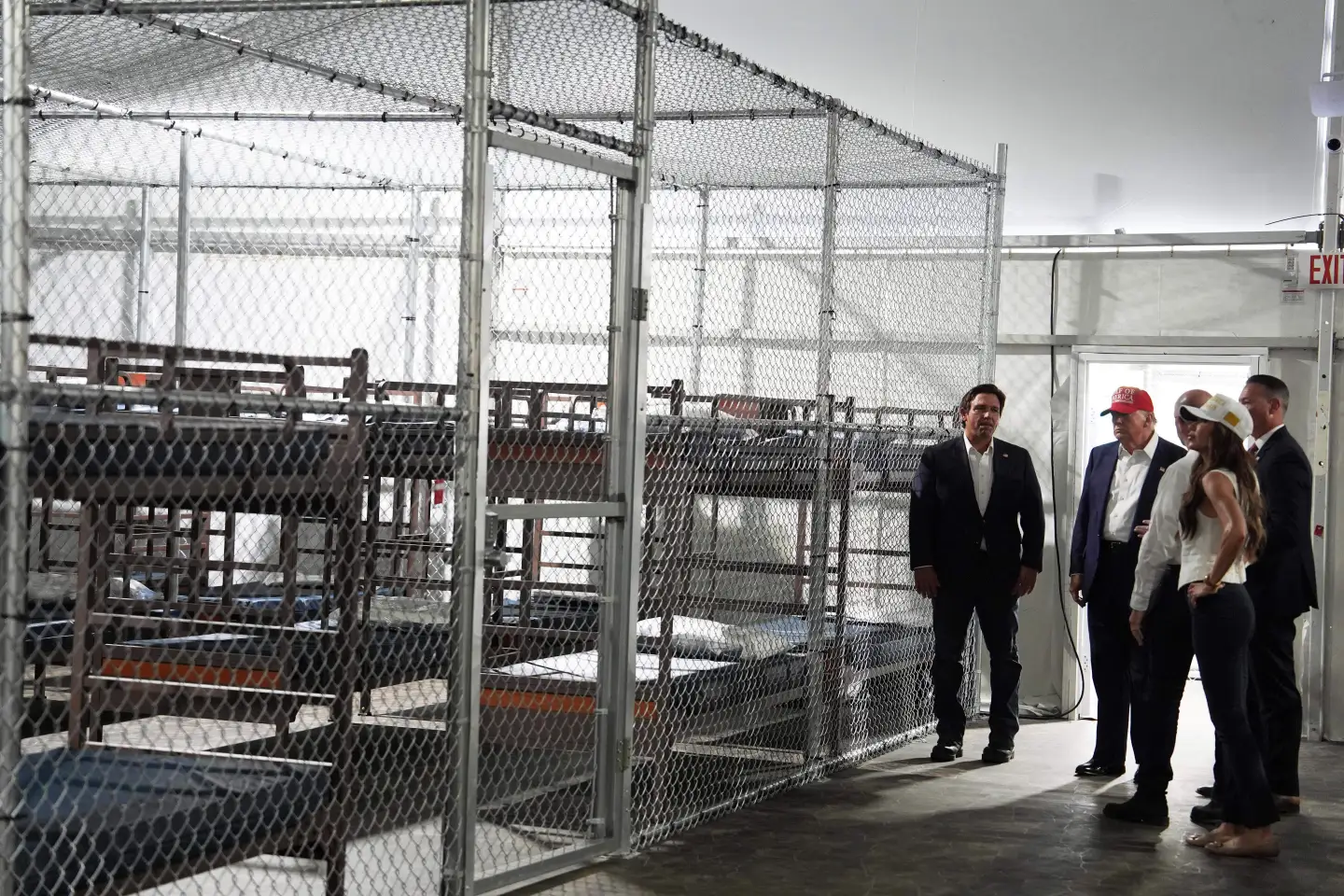
The 'Alligator Alcatraz', a remote immigration detention center in the Florida Everglades, has come under legal scrutiny due to allegations of inadequate conditions, lack of proper legal access, and the enforcement of strict rules as detainees adjust to their new environment. Recent lawsuits argue that both the operational legality of the facility and the treatment of detainees violate federal laws and human rights standards.
Detainees arriving at the immigration detention center in the Florida Everglades, known as 'Alligator Alcatraz', are given color-coded uniforms and wristbands, and subsequently segregated based on their past criminal history and assessed flight risk. This information comes from a handbook provided to detainees, which is now part of a legal battle over access to attorneys.
This court case is one of several lawsuits launched by civil rights and environmental groups concerning the conditions at the detention center, which was constructed in July and is run by private contractors alongside state agencies. Activists argue that the facilities do not comply with necessary environmental reviews and that the operational premise itself may violate federal immigration laws.
In a significant development, a federal judge in August ordered that the 'Alligator Alcatraz' must cease operations within two months, primarily citing insufficient environmental assessments related to the site’s conversion from an airstrip to a detention center. However, this order has been temporarily suspended, allowing operations to continue until further judicial decisions are made.
Recent testimonies reveal concerns over the treatment of detainees, who report unhygienic conditions, including toilets that do not function properly, leading to flooding and unmanageable waste. Many argue that, despite the structured rules on hygiene and behavior laid out in the handbook, the physical reality contradicts these written standards.
Civil rights groups are challenging the legality of state-run immigration detention, asserting that only the Department of Homeland Security has the authority to manage such facilities. They highlight severe issues, including the prolonged detention of individuals without charges and violations related to detainee tracking.
Additionally, detainees are subjected to strict behavioral policies; discussions during headcounts are prohibited, and punitive measures follow any infractions. Access to legal counsel has also come under fire, with activists arguing that detainees have limited ability to communicate confidentially with attorneys.
In defense of the conditions, representatives of the private contracting entity insist that protocols for legal access are in place, with sufficient privacy during meetings. They argue that the environment is regulated and that detainees receive necessary support in terms of hygiene products and services.
The public and legal scrutiny surrounding the 'Alligator Alcatraz' facility reflects broader debates about immigration policy and detention practices in the United States, particularly within the context of changing administration objectives toward deportation and immigration enforcement.