
In brief
The ongoing trade dispute, characterized by China's WTO complaint against US tariffs, signifies broader implications for global trade dynamics and economic strategies of both nations.
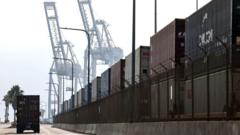
China has formally challenged the recent tariffs imposed by the United States, deeming them "discriminatory and protectionist," as it lodged a complaint with the World Trade Organization (WTO). This filing comes in response to US President Donald Trump's announcement of a 10% tariff increase on Chinese products, which he claims is aimed at mitigating the alleged influx of illegal drugs, particularly fentanyl, from China. China has vehemently rejected these accusations, labeling them "unfounded and false." The tension blossomed into a significant trade dispute as Trump's tariff strategy has raised concerns both domestically and internationally. Trump argues that his tariff measures, which he contemplates expanding to other nations including Canada, Mexico, and various European countries, are essential for encouraging American companies to manufacture domestically. Nevertheless, this strategy has also generated apprehension among businesses, which fear the potential adverse effects of trade uncertainty on investments and consumer pricing.Compounding the issue, US imports reached an unprecedented level in December, as companies raced to purchase foreign-made goods amidst the looming threat of tariffs. The Commerce Department reported a record-high import value of $293.1 billion, a 4% increase compared to November, contributing to the largest trade deficit in nearly two years. The United States recorded $25.3 billion more goods coming in from China than it exported to the country, further exacerbating trade tensions.As retaliatory measures become increasingly prevalent, China's quick response with its WTO complaint indicates its readiness for a prolonged trade confrontation. Moreover, China's anti-monopoly regulator is reportedly considering investigations into US-based companies like Apple, resulting in fluctuations in their stock performance.Economists caution that while Trump's tariffs may impact certain companies adversely, China's economy is likely to withstand these pressures. Mark Williams, chief China economist at Capital Economics, notes that, for the broader Chinese economy, the resultant effects from US tariffs are deemed manageable.According to WTO protocols, the US and China have a 60-day window for negotiations aimed at resolving the trade conflict, with China having the option to seek adjudication from a panel thereafter. However, this path to resolution is hindered by the inability of the WTO's dispute settlement system to function effectively due to US objections on the appointment of judges.The ongoing trade friction has substantial implications not only for US-China relations but also for the intricate web of global trade, as the United States has reported a total trade deficit, including services, amounting to $918.4 billion last year – a 17% annual increase reflective of the growing challenges in navigating international trade complexities.

