In brief
At DePaul University, a group of students has formed a covert contraceptive delivery network, 'the womb service,' in response to the university's prohibition of birth control distribution on campus. This issue reflects a broader trend among Catholic colleges to restrict access to reproductive health resources, resulting in student-led initiatives to bridge the gaps left by institutional policies. The fight for reproductive rights continues as students at various universities implement creative ways to support their peers in accessing essential health services.
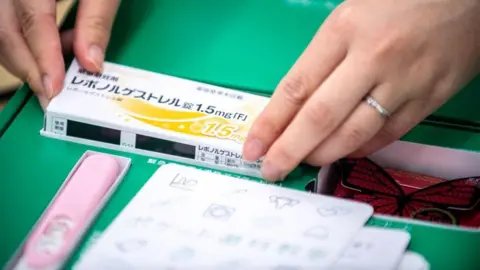
At DePaul University in Chicago, college student Maya Roman has devised a systematic approach to delivering contraceptives: a text message, a walk to a designated site, and a discreet paper bag filled with condoms and Plan B emergency contraception. This service, however, is a workaround necessitated by the university's policy against the distribution of any birth control, a reflection of its Catholic foundation.
Once affiliated with Planned Parenthood Generation Action, the now off-campus student group operates under the name the womb service since DePaul revoked its student organization status. This development underscores the increasing tension between reproductive rights advocacy and institutional policies grounded in religious beliefs.
Similar restrictions are observed across many Catholic colleges, leaving students to fill significant gaps in reproductive health care. Activist groups view their efforts as crucial, emphasizing that these universities educate students from various backgrounds who deserve comprehensive health resources.
The landscape is further complicated by a nationwide trend of Republican-led states attempting to limit access to contraceptives in the broader societal context. In stark contrast, certain leaders, like Illinois Governor JB Pritzker, are advancing legislation to enhance access at public universities, albeit without addressing the private Catholic institutions.
Roman attributes her advocacy to a commitment to sexual health education and access, emphasizing the limitations of existing resources at DePaul. Her group processes numerous requests each week, also sponsoring educational initiatives to inform students about reproductive health.
At other Catholic institutions like Loyola University and the University of Notre Dame, similar groups are also acting against institutional constraints by providing essential reproductive health supplies, demonstrating a coordinated grassroots effort to challenge restrictive policies.
The implications of such restrictions are significant, impacting students’ autonomy over their bodies and future life choices. The story of DePaul’s womb service reflects a growing resistance among students to advocate for their reproductive rights, a movement likely to gain momentum as more individuals recognize the importance of accessible contraceptive care.