In brief
A year after Hurricane Helene wreaked havoc on North Carolina, cleanup efforts are underway to restore the ecosystem of the French Broad River. Volunteers and conservationists work tirelessly to remove debris and address the environmental damage caused by the storm and subsequent cleanup activities. Reports indicate that native species like the Appalachian elktoe and hellbender are struggling as habitat restoration remains a top priority. Community members like the Revis family grapple with the aftermath, rebuilding their lives while fostering new relationships with the river.
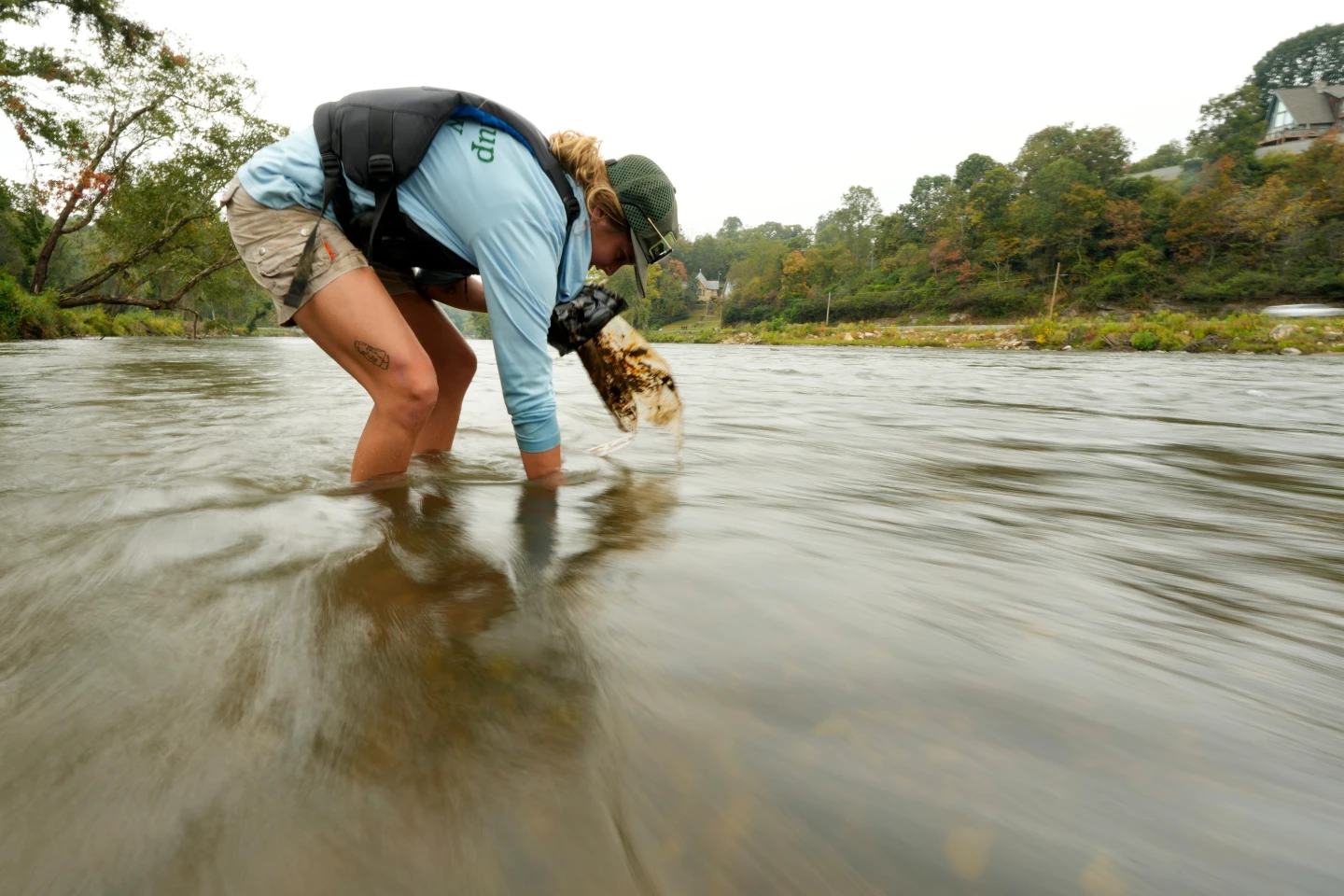
WOODFIN, N.C. (AP) — Clancy Loorham, 27, stood knee-deep in the French Broad River, struggling to free a tangle of PVC pipe that had washed into the water during Hurricane Helene. I got a catfish in the pipe! he exclaimed to fellow cleanup volunteers paddling nearby in rafts and kayaks.
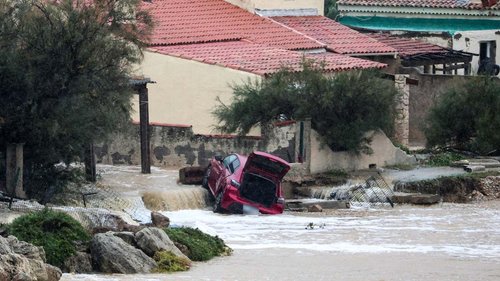
It’s been a year since Helene’s remnants brought unprecedented flooding to the Southeast, killing over 250 people and causing nearly $80 billion in damage. In the North Carolina mountains, torrential rains reshaped landscapes, swept away homes, and deposited debris into waterways.
Cleanup efforts, facilitated by local organizations such as MountainTrue, have made significant strides. Volunteers have removed over 75 tons of debris from various rivers since July. However, the meticulous task must balance between restoring human-made structures and preserving endangered ecosystems.
According to conservationists, post-storm habitat loss and heavy machinery used in cleanup have compounded environmental impacts. Reports indicate that native species, including the Appalachian elktoe and hellbender, are now facing increased threats.
Jon Stamper, river cleanup coordinator for MountainTrue, expressed concern over contractors adversely affecting stream banks and aquatic habitats during removal operations, highlighting the importance of preserving healthy trees that create essential fish habitats.
They’re an important part of a river system, and we’ve seen a kind of disregard for that, Stamper noted.
The struggle continues for residents like Vickie and Paul Revis, whose home was lost to the swift waters of the Swannanoa River. With limited resources, they decided to rebuild on higher ground and purchased flood insurance, hoping for a safer future.
As the community bands together, the gradual cleanup and habitat restoration reveal the interconnectedness of life along the river, where both humans and wildlife must adapt to a changing environment.
Mother Nature does whatever she wants to do, and you just have to roll with it, Vickie remarked, embodying the resilience of those affected by Helene’s aftermath.
The road to recovery is far from over, as ongoing efforts seek to restore both the river ecosystems and the lives impacted by the storm.