In brief
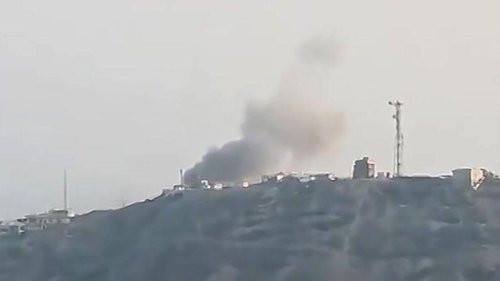
On October 17, 2024, the United States conducted airstrikes against five underground weapons facilities controlled by the Iranian-supported Houthi militia in Yemen. The action was reportedly aimed at diminishing the Houthis' ability to threaten shipping and commerce through the Red Sea and Gulf of Aden, according to Defense Secretary Lloyd J. Austin III. The choice to deploy B-2 stealth bombers may also carry a tactical message to Iran amid escalating tensions in the region.
The Pentagon's involvement marks a unique escalation in military engagements in the Middle East, wherein a classified operation was focused on disabling critical infrastructure utilized by the Houthis to launch attacks on both U.S. and civilian vessels. Secretary Austin emphasized the operational capacity of these deep-strike aircraft, stating that the strikes exemplified the U.S. commitment to safeguarding maritime routes against adversarial action. Furthermore, these attacks signify a heightened capability to target fortified enemy structures. The B-2 bomber is exclusive in its capacity to deliver specialized munitions like the 30,000-pound Massive Ordnance Penetrator (MOP), designed for penetrating hardened targets. While United States officials have not confirmed the specific types of munitions used in the operation, the implications of employing such advanced technology underscore the seriousness of the conflict and could signal a deeper commitment to countering Iranian influence in Yemen and the wider region. Overall, these developments indicate a pivotal moment in U.S. military policy in the Middle East, reflecting both tactical military interests and broader strategic concerns regarding Iran's role in regional instability.