
In brief
The UN humanitarian office has reported significant destruction due to a 6.0 magnitude earthquake in Afghanistan, with at least 2,200 fatalities. Roads remain impassable, complicating relief efforts. As winter approaches, urgent needs for clean water, food, and shelter have become critical, prompting the UN to prepare an emergency appeal for funding.
UNITED NATIONS (AP) — An initial United Nations assessment of the impact of Afghanistan’s recent deadly earthquake found 5,230 homes destroyed and 672 damaged in 49 villages. Yet, the U.N. has struggled to reach many remote villages due to damaged roads.
Shannon O’Hara, the U.N. humanitarian office's coordinating chief in Afghanistan, shared on Monday that the aftershocks, which have ranged from 5.2 to 5.6 in magnitude, further hindered access to the earthquake-stricken areas.
The earthquake, which struck on August 31, has claimed at least 2,200 lives, with the toll likely to increase as recovery efforts continue. The U.N. estimates that approximately 500,000 individuals, including children and Afghans forcibly returned from Pakistan and Iran, have been affected.
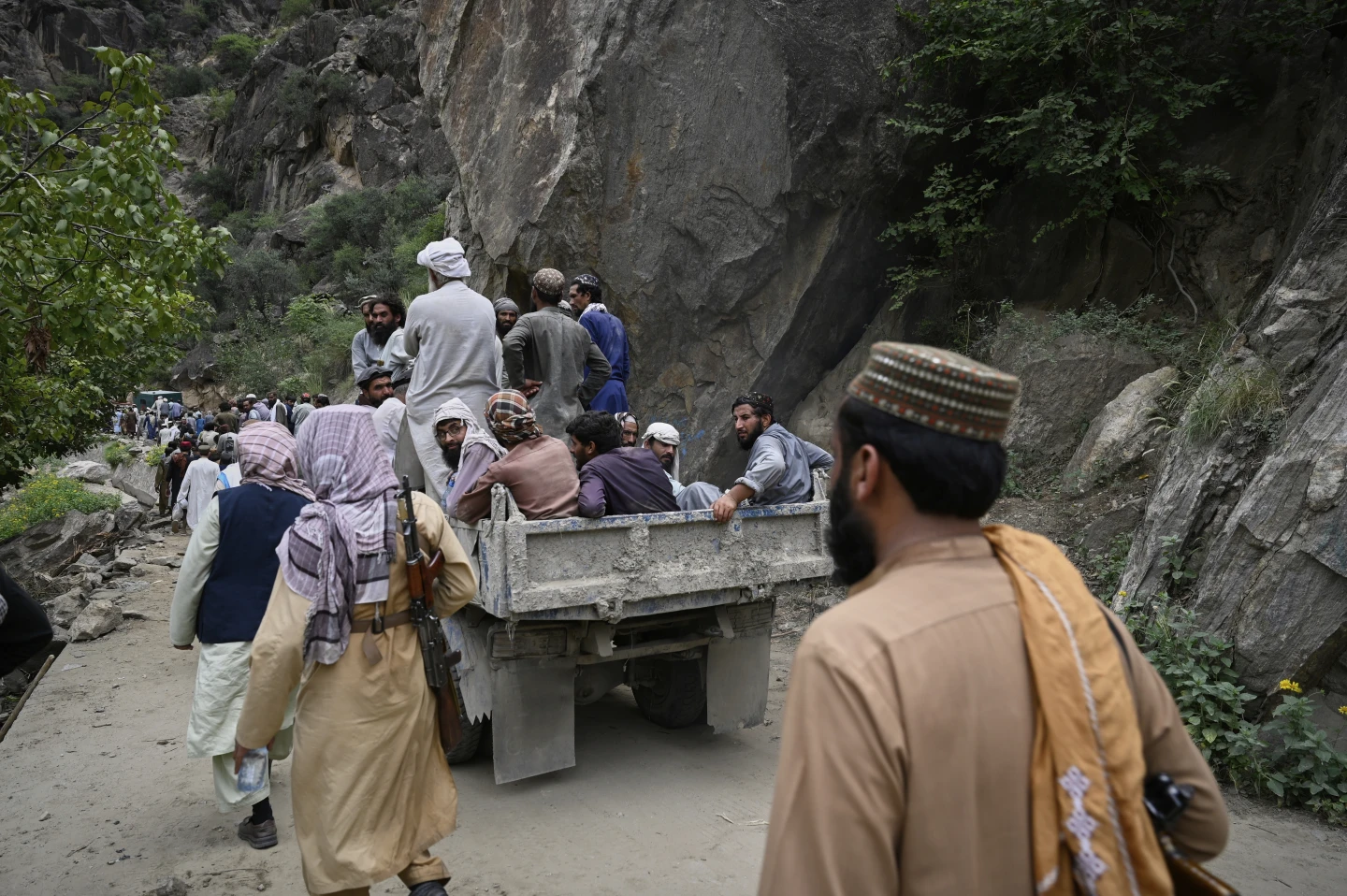
O’Hara illustrated the challenges faced by their team, noting that it took her over six hours to travel from Jalalabad—to the worst-hit area, which is about 100 kilometers away—using a narrow road that was blocked in parts by landslides.
Many vehicles, including aid trucks, are attempting to navigate the valley to deliver assistance. O’Hara noted the sight of families displaced by the quake, carrying their few belongings and, in some cases, bandaged injuries.
As conditions worsen closer to the epicenter, entire villages have been destroyed, and families who have lost their homes and livelihoods are forced to live in overcrowded tents or outdoors, experiencing exposure to prevailing rains and cold days.
“There was no clean drinking water and no sanitation, with cholera endemic in the region. Initial assessments indicate that 92% of these communities practice open defecation, heightening fears of cholera outbreaks,” she emphasized.
The urgent need for adequate shelter, food, water, and sanitation is pressing as winter approaches. O’Hara has visited three camps for the displaced, where women have voiced significant concerns over the need for water and clothing for their families.
The U.N. plans to launch an emergency funding appeal to assist the earthquake survivors, with a focus on immediate needs. O’Hara acknowledged the Taliban's cooperation in rescue efforts and noted a commitment to include women in health and aid operations despite restrictions imposed by the regime.
Officials warn that without immediate action, the communities affected may face dire consequences ahead of winter's snowfall, which will make access to these mountain valleys increasingly challenging.

