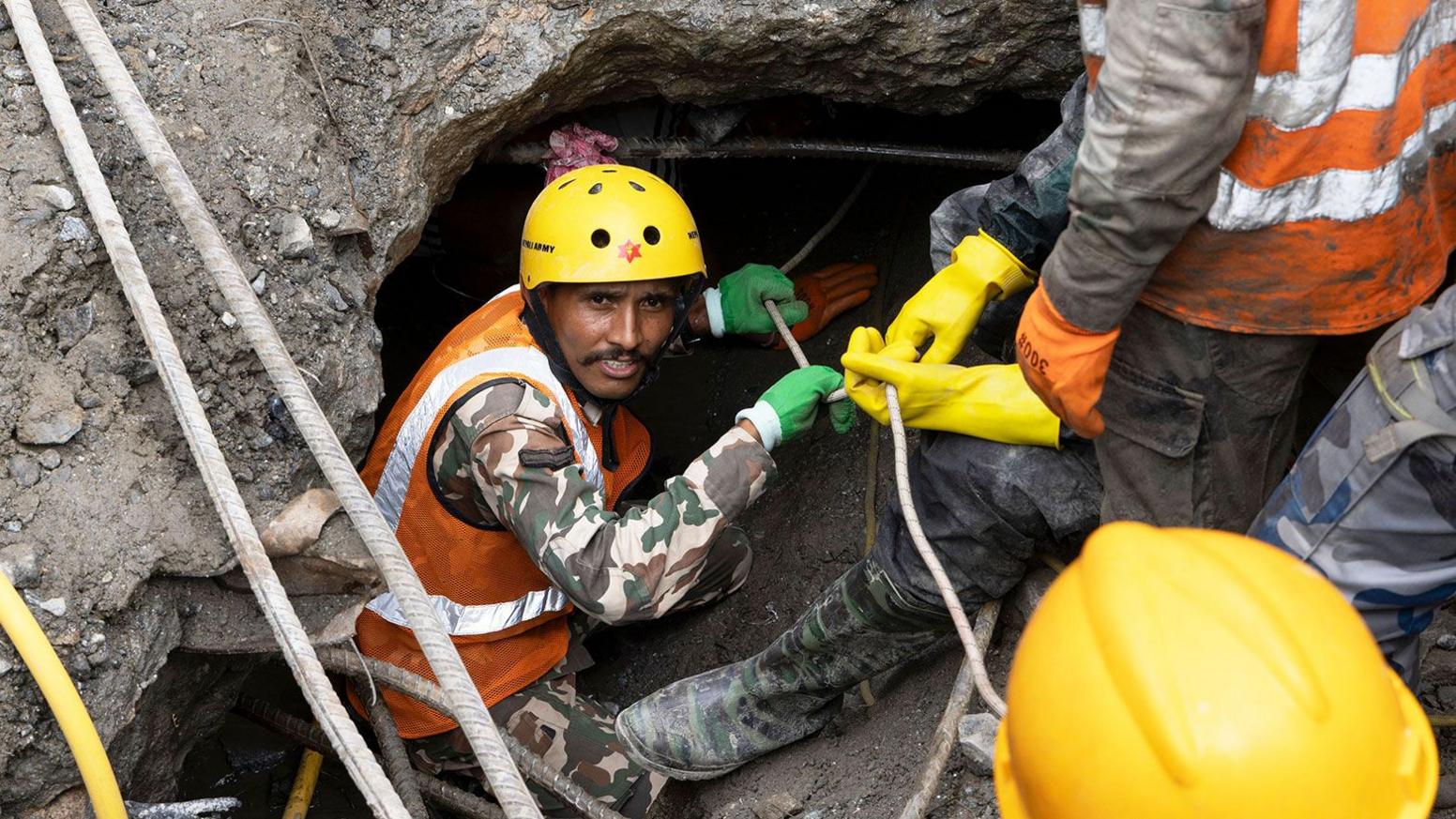
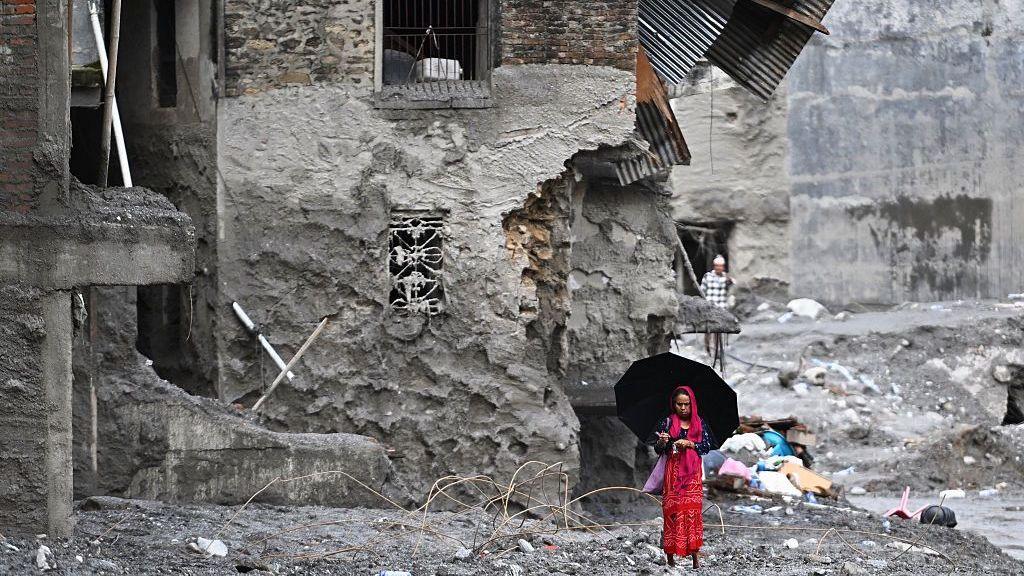
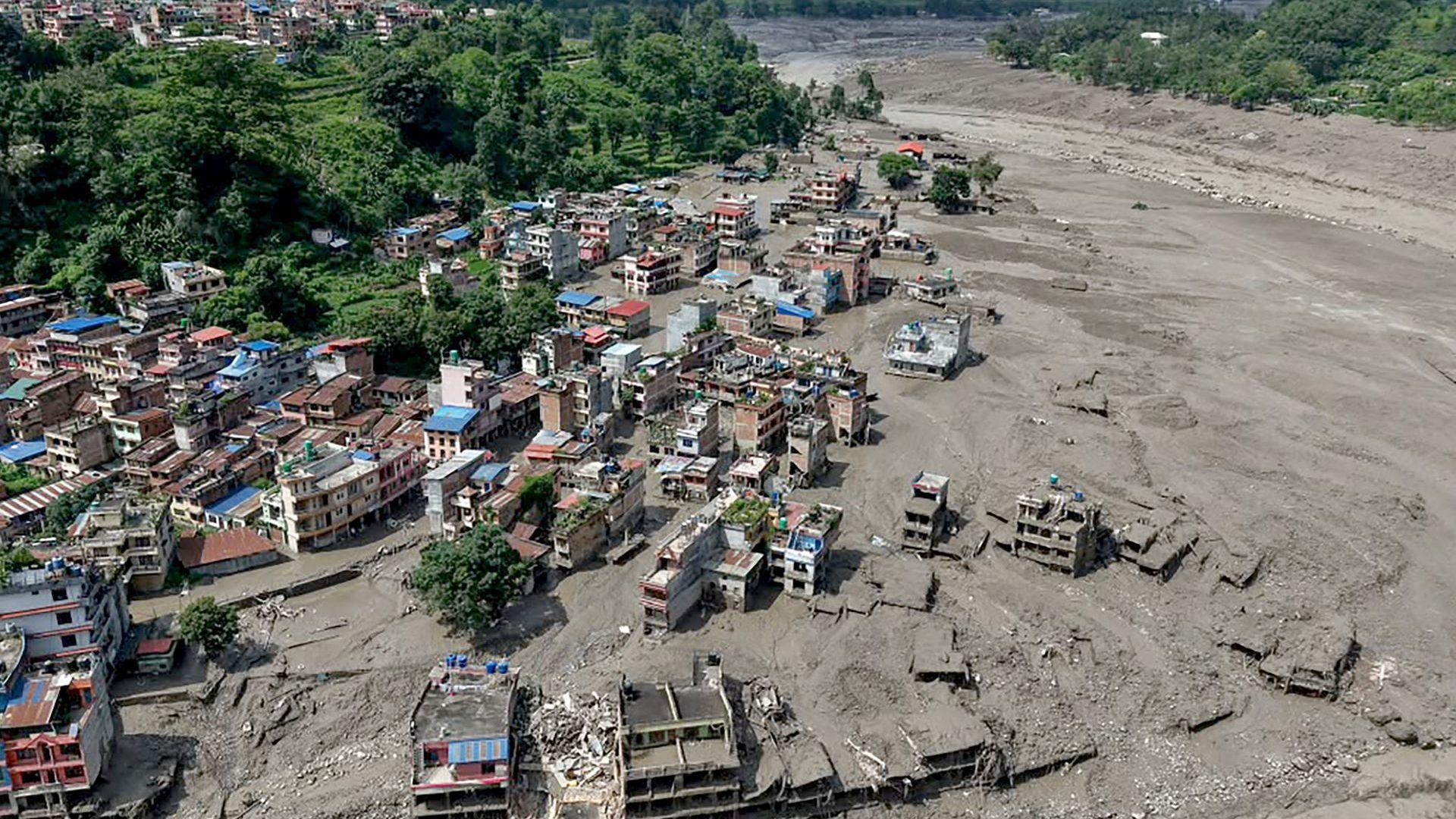
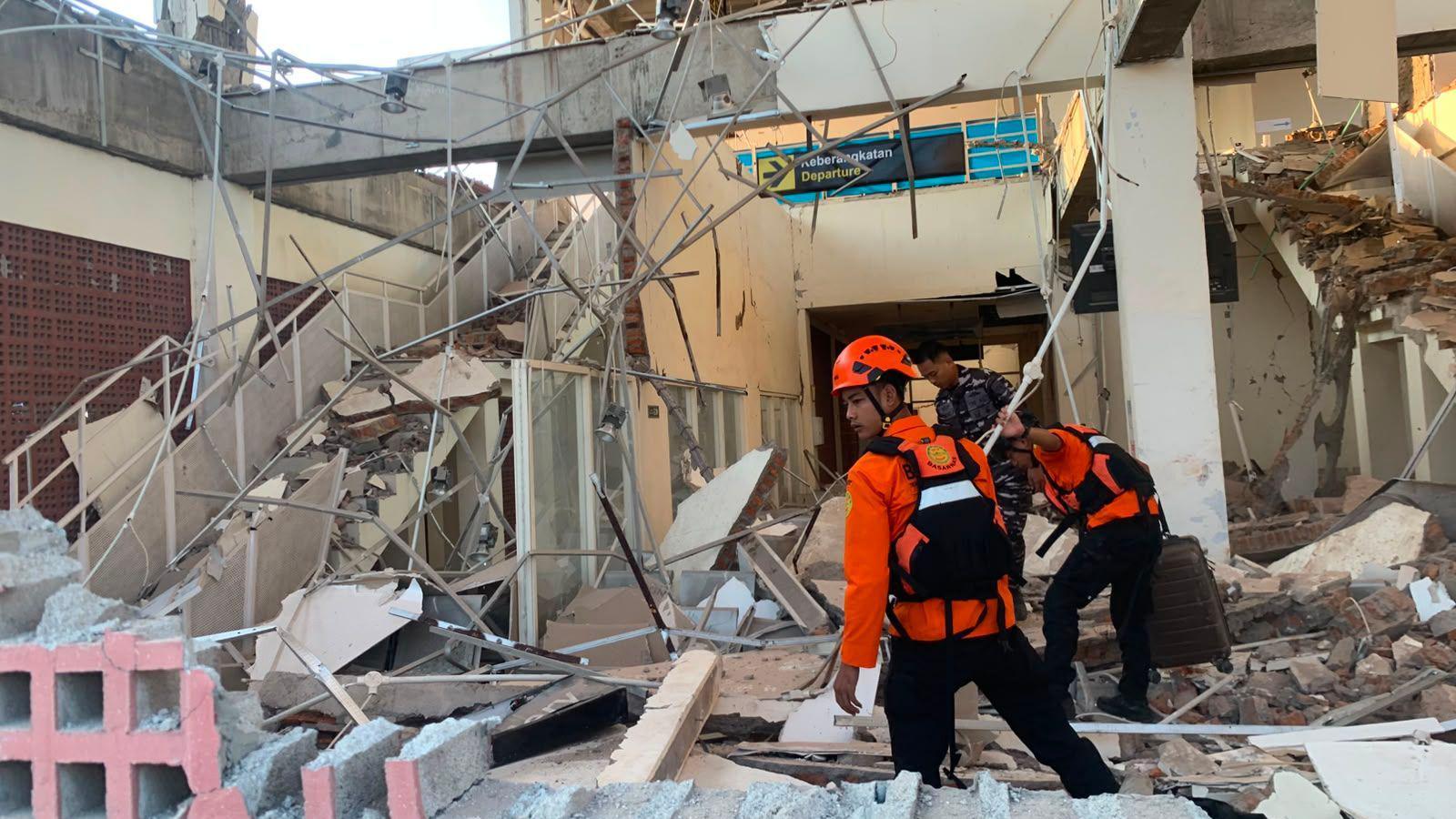
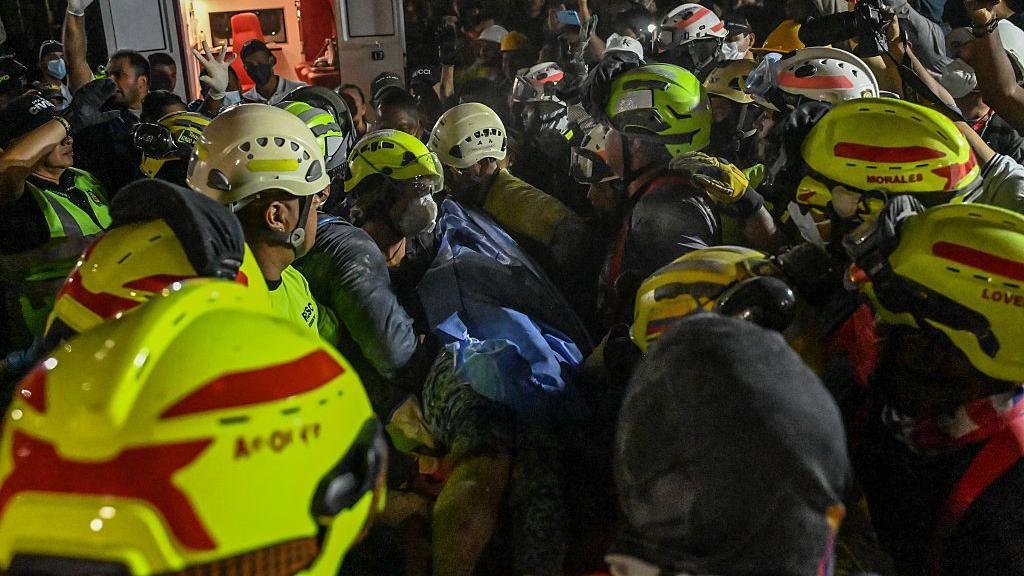
On 5 September, Nepal’s Armed Police Force located a 64‑year‑old woman, Chandika Shrestha, alive inside the fourth floor of her home in the Nuwakot district, which had been partially buried by a sudden wall of ice, rock and mud that had devastated the valley earlier this month.
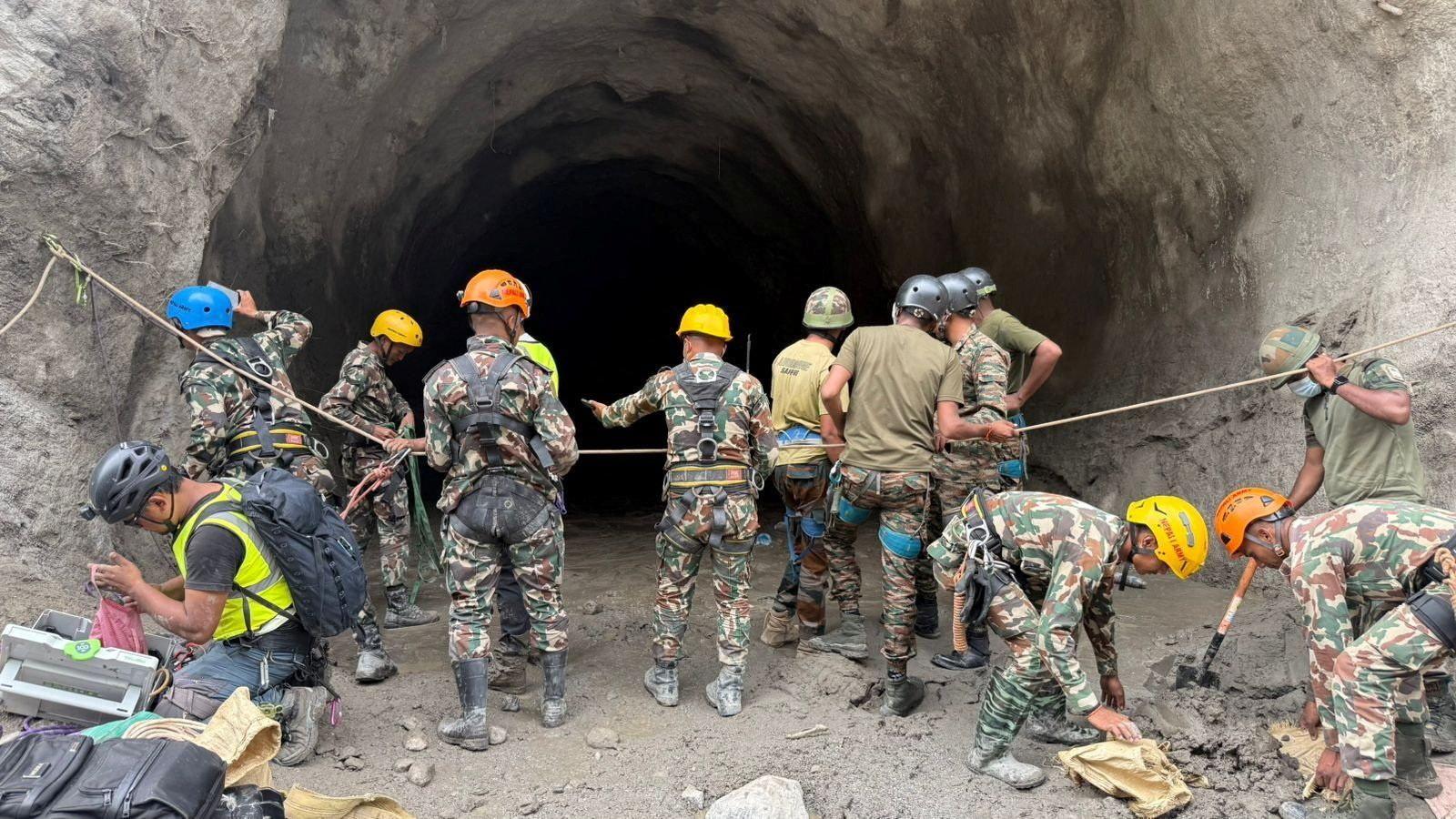
The flood, a rare but catastrophic event in the Himalayan region, sent debris cascading down into remote villages, displacing homes and blocking roads. Rescuers, many of whom are local volunteers and national emergency teams, have been working round the clock to locate survivors amid the rubble and chaos.
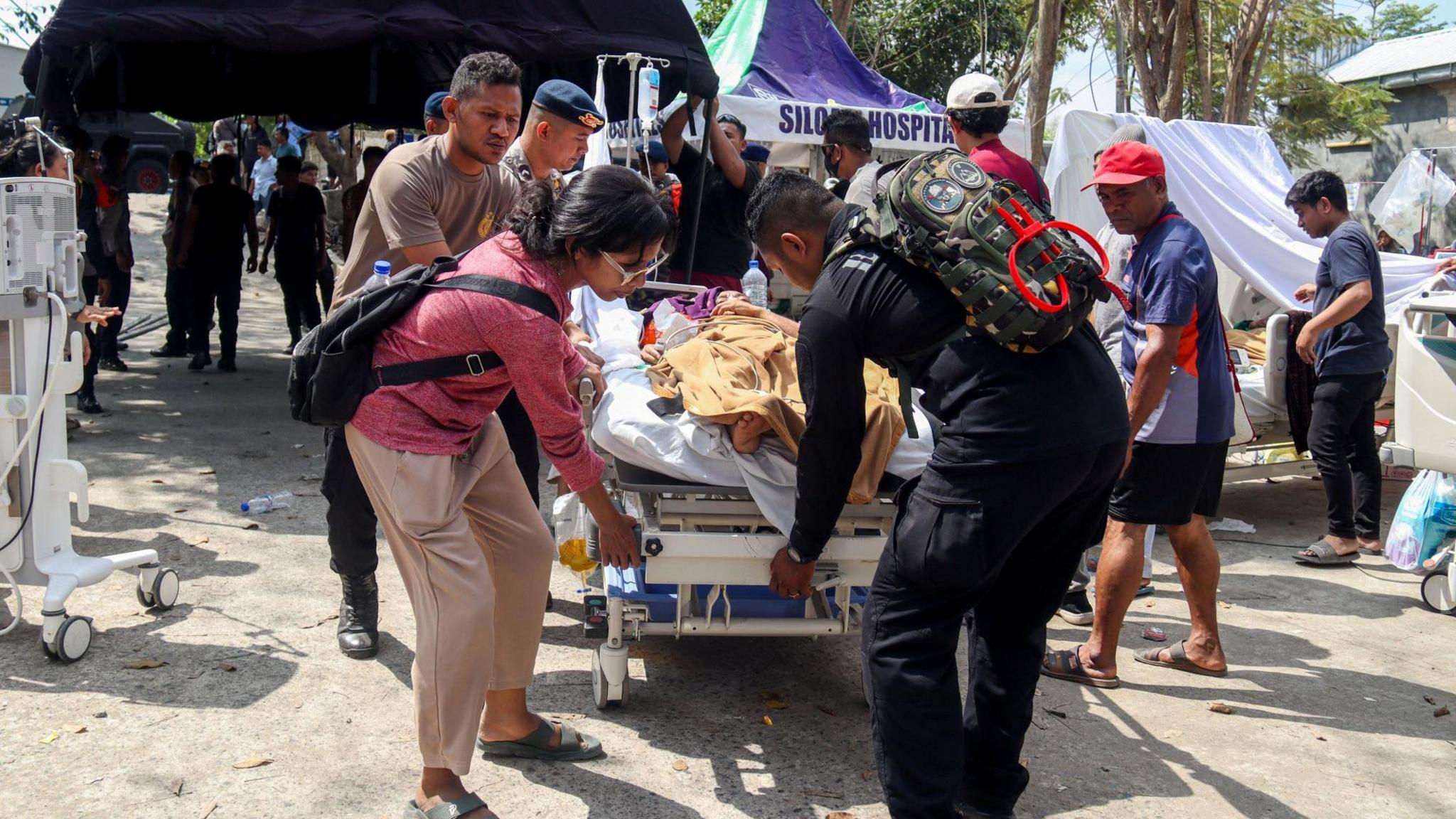
After confirming her condition, the police force airlifted Shrestha to a hospital in Kathmandu, where she received treatment for injuries sustained during the disaster. Medical teams also provided triage for other rescued residents who emerged from ruined homes.
The discovery of a survivor in such perilous circumstances serves as a beacon of hope for many families still unaccounted for. It also highlights the robustness of Nepal’s surge relief and rehabilitation efforts, which have been coordinated by government agencies, international NGOs, and local communities.
Officials and aid organizations are now focusing on restoring infrastructure, ensuring safe shelter for displaced populations, and conducting de‑briefing sessions to evaluate the response plan for future similar emergencies.