
In brief
The United Nations has highlighted a critical escalation in the humanitarian crisis in northern Gaza, attributing the worsening conditions to ongoing Israeli military offensives. Civilians face severe risks from bombardments, and hospitals are overwhelmed as aid efforts struggle amidst increasing violence and possible violations of international law.
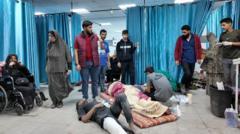
The ongoing conflict in Gaza has taken a dire turn, with the United Nations labeling the current situation as the "darkest moment" in the region's history. UN Human Rights Chief Volker Türk has voiced grave concerns about the humanitarian implications of the Israeli military's operations in northern Gaza, specifically aimed at dismantling Hamas's presence in the area. He stated, "As we speak, the Israeli military is subjecting an entire population to bombing, siege and risk of starvation," urging global leaders to adhere to the Geneva Conventions and protect civilians under international humanitarian law. The Israeli military, however, maintains that its ground campaign, which resumed in early October, has eliminated “hundreds of terrorists” while facilitating the evacuation of thousands of civilians.Reports from Gaza’s health ministry have emerged detailing Israeli troops conducting raids on hospitals, with the Kamal Adwan hospital in Beit Lahia being particularly affected. Dr. Tedros Adhanom Ghebreyesus, the head of the World Health Organization, expressed distress over losing contact with the facility, which was inundated with nearly 200 patients amidst the intensifying conflict. Allegations have surfaced indicating that Israeli forces detained patients and medical staff during these incursions.The scale of destruction is evident, with civilian casualties mounting and families confronting dire shortages of food, water, and medical supplies. In a stark warning, Türk indicated that continued hostilities could lead to atrocity crimes and potentially crimes against humanity, as massive numbers of displaced persons find themselves facing an uncertain future amid relentless bombing campaigns. Türk did not shy away from addressing the actions of Palestinian armed groups, stating it is unacceptable for them to operate among civilians or inside shelters, thereby putting non-combatants at risk. He highlighted the international community’s obligation to intervene to prevent any risk of genocide, urging nations to prioritize human protection. The Israeli government has historically rebuffed claims of bias from the UN and denied allegations of war crimes, underscoring its stance that military actions are pivotal to maintaining national security. In response to escalating concerns, a statement from the Israeli military emphasized that their operations are conducted based on intelligence regarding terrorist activities.Jordanian Foreign Minister Ayman Safadi criticized the ongoing turmoil, urging US leadership to press Israel to stop the humanitarian crisis in the north. Observers are increasingly concerned about the broader regional implications, with claims of ethnic cleansing gaining traction within national and international narratives.As diplomatic efforts continue, including discussions between US Secretary of State Antony Blinken and Arab leaders, the complexities on the ground remain critical. A ceasefire and resolution to the humanitarian plight seem increasingly urgent, as the conflict shows no signs of abating, amid fears that continued violence could lead to regional destabilization.
