In brief
Savannah Guthrie's heartfelt appeal for proof of life regarding her missing mother highlights urgent concerns about the potential for deepfake technology to manipulate visuals and impersonate voices. Law enforcement officials, including the FBI, acknowledge that traditional methods of verification are no longer reliable due to the rapid advancements in AI, complicating ransom negotiations and search efforts. While investigators believe Nancy Guthrie may still be alive, their challenge has intensified as they consider the implications of digital manipulations in ransom scenarios and urge the public to be vigilant against hoaxes.
In a poignant plea, Savannah Guthrie has urged the kidnapper of her 84-year-old mother to provide 'proof of life', addressing a growing concern about the potential use of deepfake technology. Guthrie emphasized that in today's world, images and voices can be easily manipulated, posing new challenges for families and law enforcement involved in kidnapping cases.
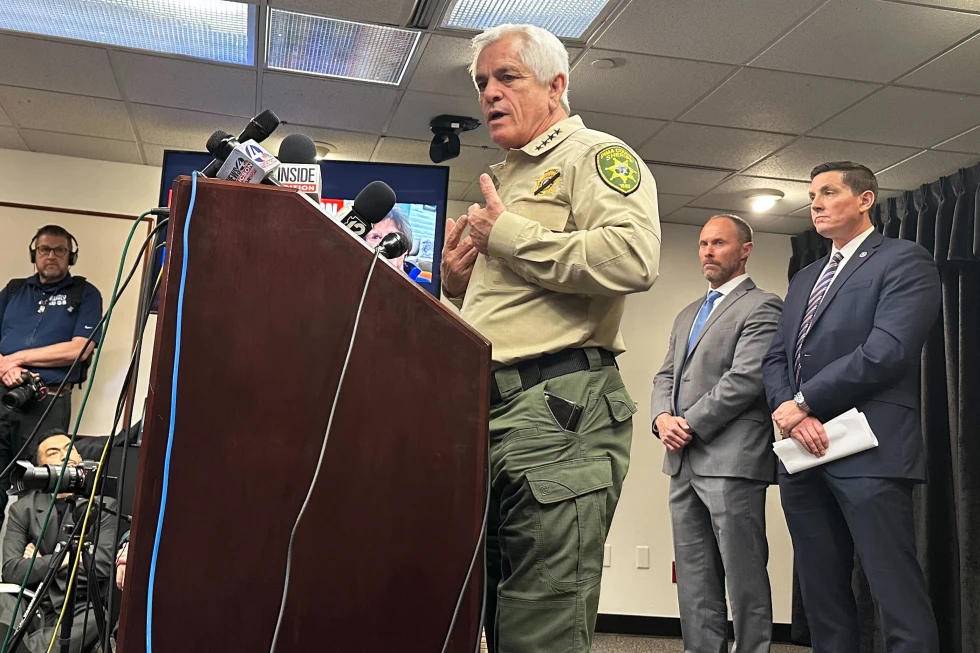
In the past, 'proof of life' could be as simple as a grainy photograph; however, with the rise of advanced artificial intelligence tools that can create realistic impersonations, this is no longer a viable option. Heith Janke, the FBI chief in Phoenix, confirmed that criminals can supply what looks like authentic video or audio evidence, thus complicating the verification process.
The case surrounding Nancy Guthrie's disappearance has brought heightened awareness to the issue of technological advancements in criminal activities. FBI officials have reiterated that hoaxes can confuse both the public and law enforcement, especially in high-profile cases where stakes are incredibly high.
In December, the FBI had warned that supposed kidnappers could present realistic images or videos to the victims' families along with ransom demands. Indeed, multiple news organizations have reported receiving ransom communications believed to be associated with Nancy's case, but officials have yet to confirm any deepfake evidence.
Investigators are pursuing leads; however, they have yet to identify any suspects. The family remains hopeful, asserting that Nancy is still alive. Alongside the ongoing inquiry, they faced a further complication when a man was charged for sending unsolicited ransom messages to the family.
In an emotional social media video, Savannah Guthrie expressed her family's readiness to engage in discussions with the kidnapper but firmly sought confirmation of her mother's well-being. Experts suggest that publicly addressing a kidnapper can influence the outcome of such negotiations, encouraging them to engage positively with the family.
This modern challenge reflects a significant transformation in criminal tactics over time. Katherine Schweit, a former FBI agent, stated that ransom communications have evolved from letters to digital messages, underlining how investigative work has expanded in complexity.
The FBI maintains that while they can provide expertise on kidnappings, the decisions on communication strategies ultimately lie with the families. As digital forensics and investigative methodologies continue to evolve, Savannah Guthrie's case underlines the necessity for vigilance and adaptability in the face of rapidly changing technology.