In brief
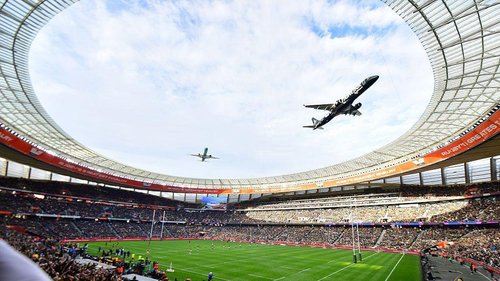
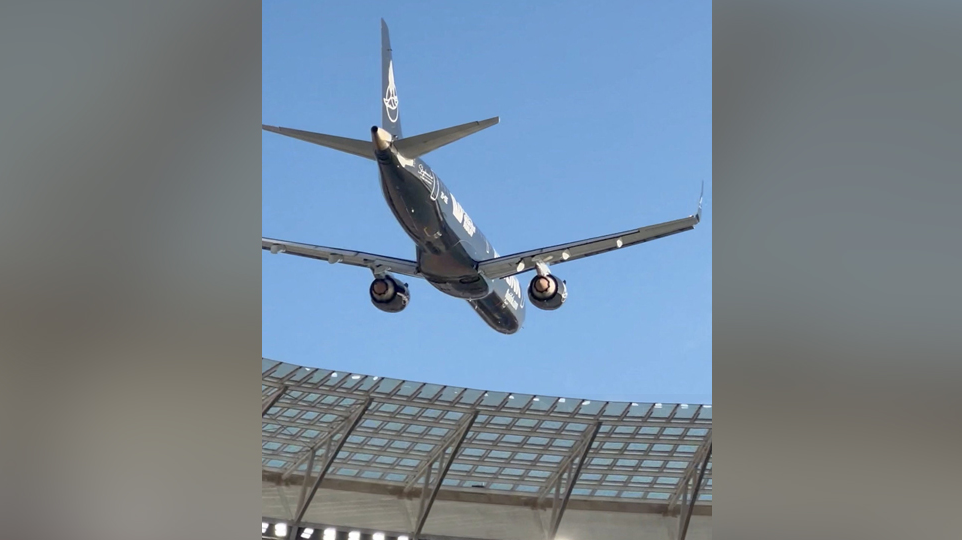
Airlink said the dramatic low‑altitude formation flight over Cape Town’s DHL Stadium was carefully planned, rehearsed and carried out with aviation authority approval. The aircraft, flown by three senior captains, reportedly passed less than 50 feet above the roof of the stadium, according to Flightradar24 data. While some viewers criticized the stunt as reckless, many South Africans applauded the precision and national pride displayed. The flyover echoes earlier rugby traditions, such as the South African Airways jet over Johannesburg in 1995, but raises safety concerns that remain under discussion.
Airlink defends low‑altitude formation flight over Cape Town stadium.
The South African airline Airlink said the dramatic low‑altitude flyover that saw two of its aircraft in close formation over the DHL Stadium before a high‑profile rugby match was carefully planned in consultation with aviation authorities.
Airlink’s statement, reproduced on a government news site, detailed that the two jets were operated by highly experienced crews, each comprising three senior captains in the roles of commander, co‑pilot and safety/technical officer. The group asserted that the flights were performed with approved and rehearsed safety altitude and speed limits for the flypast.
According to the flight‑tracking website Flightradar24, the lead aircraft passed less than 50 feet (15 metres) above the top of the stadium, a figure that has prompted questions about risk and disaster potential for both the planes and the packed crowd below.
In the broader public conversation, some observers have labeled the manoeuvre reckless, while others applaud the precision and expertise required. Many South Africans responded with expressions of national pride, noting that South Africa’s pilots were capable of the feat without compromising safety.
The low‑altitude flyby has become a feature of the build‑up to major rugby matches. The most notable was when a South African Airways jet flew over a Johannesburg stadium before the 1995 Rugby World Cup final against New Zealand, a moment immortalised in the film Invictus. The event carried cultural significance as it marked the first time the national side, previously associated with apartheid, was represented by a predominantly black team led by President Nelson Mandela.
Related Sources