In brief
Albania’s capital witnessed a new wave of violent protests after weeks of student‑led demonstrations. Masked youths targeted the education ministry and city center, while riot police deployed water cannons, tear gas and rubber bullets. The unrest follows allegations of corruption against Prime Minister Edi Rama and investigations into his close associates. The government stresses its democratic reforms and EU membership goals, while police claim the demonstrations were fueled by external agitators. The situation threatens to delay the next parliamentary elections slated for 2029.
On Saturday, Tirana’s streets erupted into a new phase of a protest saga that began in June, with students and demonstrators confronting the city’s police force in a series of violent clashes.
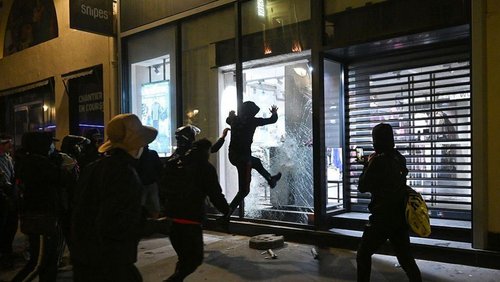
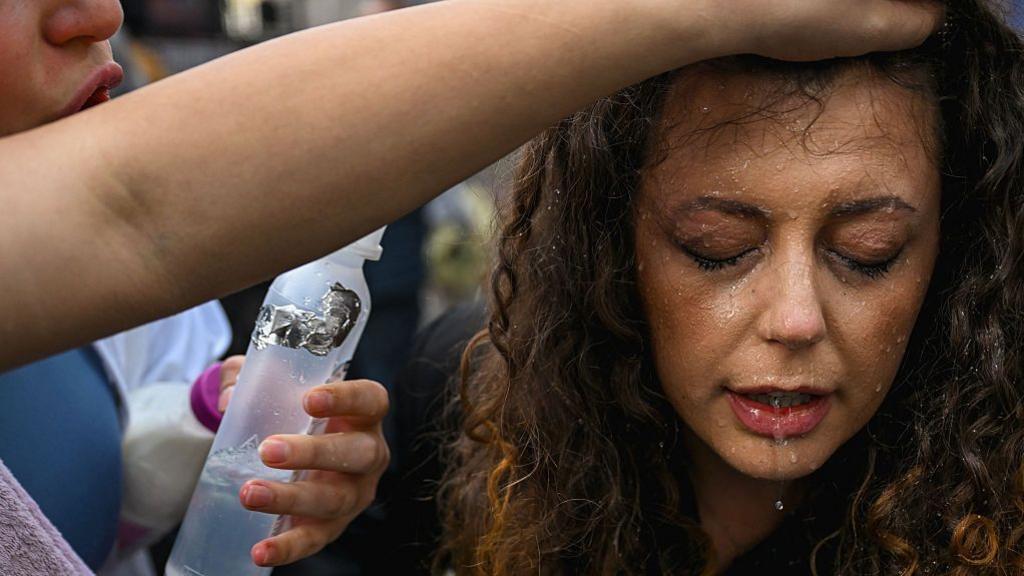
Masked youths—many in school and university uniform—threw rocks and petrol bombs at riot police outside the education ministry. The police answered with water cannons, tear gas and, for the first time, rubber bullets, sending crowds scattering in the street.
Police officials say the movement has grown beyond anti‑corruption slogans, with protesters demanding the resignation of Prime Minister Edi Rama after a series of corruption allegations tied to his administration.
In the early afternoon the protests shifted focus to the official residence of Rama on the city’s main boulevard. Here, demonstrators swelled to larger numbers, and the police launched repeated tear‑gas barrages, some of which landed behind the crowds, amplifying panic and further stoking anger.
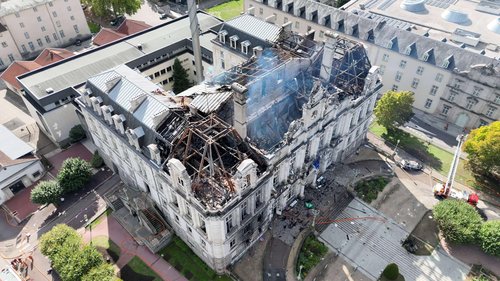
As dusk approached, special forces reinforced the riot units on the scene. Over 80 protesters have been charged with disorder so far, with several more arrested or under investigation, according to police statements. The city center is now described by residents as resembling a war zone, littered with burnt debris and shattered glass.
One of the young participants, 19‑year‑old medical student George, described the scene: ‘We were peaceful for 135 days. Now we are trying to do like in France… we are trying to make a revolution. Our government doesn’t want peace, so we are using violence.’ He held a rock aimed at the police, reflecting the intensity of the protest.
The protests have intensified scrutiny of the government. The Socialist Party, which holds 83 of 140 seats in parliament, has been in power for 13 years. Prime Minister Edi Rama has framed the demonstrations as the work of foreign agitators, while the police argue they are facing provocateurs among the crowd.
Investigations into the police and the secret services have added fuel to the flames. The Special Prosecutor’s Office—established under EU and U.S. pressure—arrested former secret service chief Vlora Hyseni in connection with a corruption probe into businessman Ergys Agasi, a known associate of Rama. Hyseni is accused of facilitating Agasi’s evasion of justice, a claim that could implicate the prime minister directly or indirectly.
Amid these tensions, the European Union—Albania’s key partner in its hopes of accession—has expressed concern over the unfolding violence. The country officially appeals to remain focused on democratic reforms and rule of law, while the next parliamentary elections, scheduled for 2029, feel more distant as protests have sparked questions about the country’s trajectory toward the EU.
Sources say that a proposed neutral caretaker government to govern for a year and organise new elections is under discussion by some journalists and activists, but the path ahead appears fraught with political uncertainty.