In brief
On 17 October 2026, France faced a widespread wave of riots that sparked a national debate over blame and root causes. While extremist groups were accused by some politicians, many observers point to entrenched economic and social grievances as the main drivers. The incident highlighted a growing mistrust of political institutions among young voters and amplified the influence of social media in shaping protest dynamics. As the country seeks solutions, there is an urgent need to balance security measures with addressing the underlying frustrations that fuel such unrest.
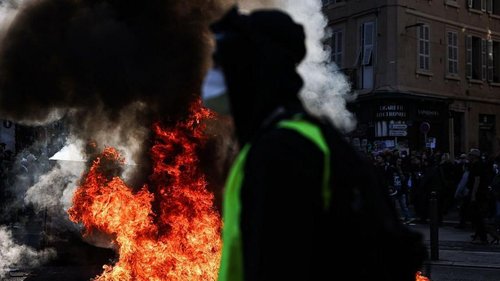
On 17 October 2026, a wave of civil unrest erupted across France, leaving dozens of shops damaged and sparking a nationwide debate over who is responsible for the violence.
While some officials point to left‑wing activist groups as the trigger, others argue that the unrest stems from long‑standing socioeconomic grievances that have fanned into a broader protest movement.
Members of the radical party LFI have been accused by certain lawmakers of encouraging the clashes to gain electoral advantage, yet the party insists that it distances itself from any violent actions.
President Macron, already under scrutiny for his administration's handling of protests, committed to bringing offenders to justice while admitting a shortage of officers during the events.
Analysts link the rapid spread of violent footage on platforms such as TikTok to a phenomenon some describe as the “digital militarisation of protest”, encouraging participation beyond those who originally intended to demonstrate peacefully.
The unrest mirrors grievances expressed by young voters across Europe, whose dissatisfaction is reflected in high percentages of citizens who feel that democratic institutions no longer represent their interests.
Leaders from the centre and right have seized the moment to emphasise law and order, with the National Rally’s front‑woman calling for a crackdown on what she calls “chaos generators.”
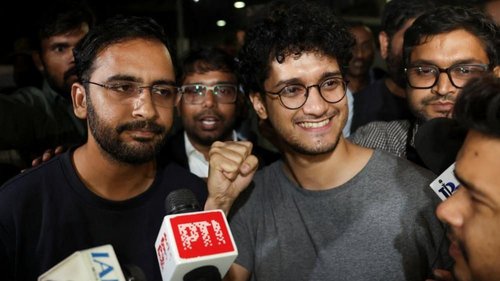
Students participating in the demonstrations have stressed that their grievances—most notably demand for improved public education and lower living costs—originated from on‑ground concerns rather than ideological manipulation.
The riots underscore the necessity for authorities to address underlying socioeconomic pressures and to manage the narrative around civic unrest responsibly in an age of instant digital mobilisation.