In brief
In a turning point for Canadian politics, Alberta residents rejected a binding referendum and opted to stay in Canada in a vote that saw a turnout of just over two thirds for unity. Prime Minister Mark Carney hailed the result as a great moment for the nation, while premier Danielle Smith, who called the vote despite her own opposition to separatism, welcomed the affirmation of Alberta’s place within Canada. Separatist leaders, notably Jeffrey Rath, expressed defiance and vowed to continue the push for independence, although the electoral outcome casts doubt on the movement’s current trajectory. In addition to the main question, voters approved a slate of non‑binding measures on immigration and constitutional reform that could alter Alberta’s relationship with Ottawa. This outcome marks a rare moment of cohesion, reminiscent of Quebec’s earlier referendums, while the separatist debate remains alive on the province’s political landscape.
On Monday, voters in Alberta chose to remain part of Canada in a decisive referendum that rejected the possibility of a binding independence vote. According to preliminary counts by Elections Alberta, more than two thirds of the electorate chose the option to keep Alberta within Canada, closing the door on the separatist campaign that had gathered momentum earlier in the year.
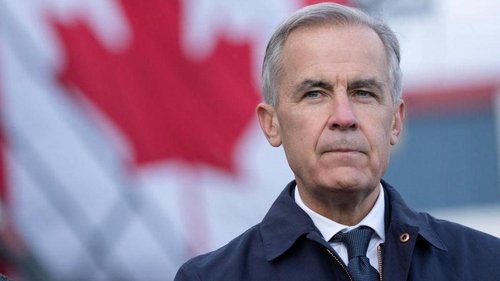
Prime Minister Mark Carney praised the outcome, describing it as a great moment for Canada and expressing his satisfaction that Albertans had affirmed unity. Premier Danielle Smith, who called for the vote but had publicly opposed the push for secession, welcomed the initial results and compared the decision to a strengthening of Alberta’s place within the union. She said she would speak to Albertans later on the province’s future direction.
Supporters of Alberta’s independence have cited the province’s oil wealth and felt its economic growth was constrained by federal environmental policies. Opponents, including the federal government, argue that Canada must present a united front against external pressures such as the trade war with the United States. Carney discussed “moving forward in the spirit of cooperative federalism” with Smith, touching on shared priorities such as immigration control.
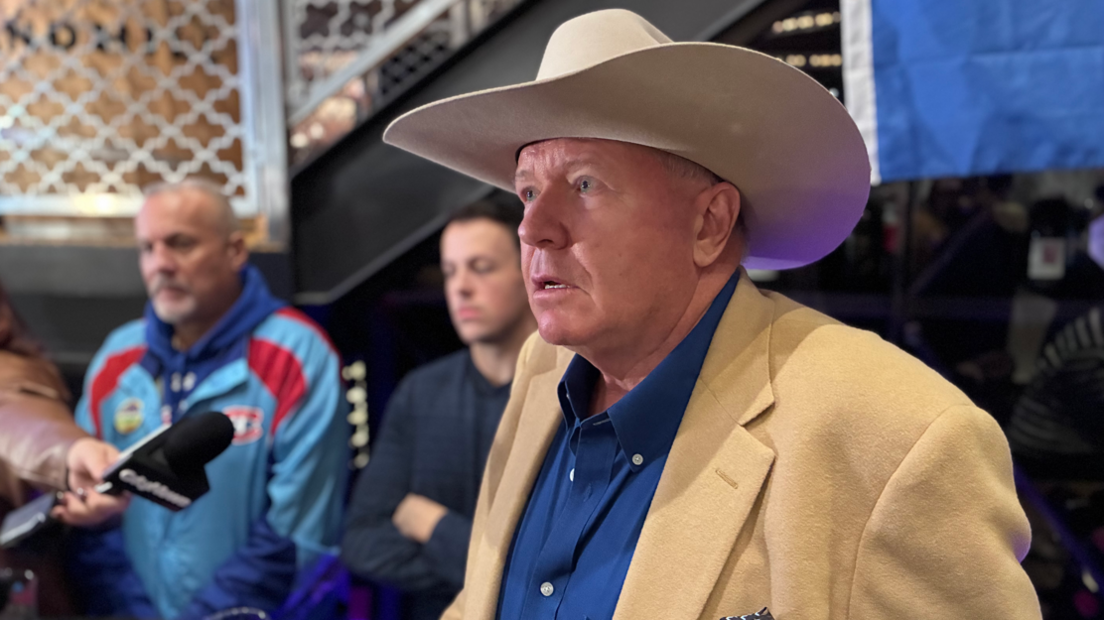
In the runoff of attention, a pro‑separatist watch party in Edmonton saw an abrupt decline in mood after projected results appeared. Even as the crowd dispersed, separatist leader Jeffrey Rath declared the movement would persist, describing the vote as a first step that had provided valuable lessons.
Negotiations over the referendum were driven by a petition that gathered roughly 300,000 signatures, but a judge blocked the petition for failing to consult First Nations leaders. A competing petition against separation secured over 400,000 signatures, demonstrating a sharp division among Albertans. The ballot question asked whether Alberta should continue to be a province of Canada or begin the constitutional process to hold a binding referendum on separation. Premier Smith had stated that if voters chose the former, a separate referendum would not be held while she remained in office.
Beyond the main question, voters also answered nine non‑binding survey items, including five on immigration and four on constitutional matters. Early indications suggest most of these reforms were approved, notably a proposal to give Alberta greater control over immigration levels.
The results, while decisive, do not end the conversation over Alberta’s sovereignty. Separatist leaders plan to push for changes within the United Conservative Party, aiming to install a leader more sympathetic to their cause. The issue echoes past referendums in Quebec, where independence was rejected but the movement gained political leverage over Ottawa.
While the vote reaffirms Alberta’s place in Canada, it leaves open questions about the future of separatist sentiment, potential policy reforms, and the evolving relationship between the province and the federal government.