In brief
The Alberta referendum saw a two‑thirds majority support for unity, giving Prime Minister Mark Carney a platform to push for stronger federal unity and counteract Trump’s rhetoric. Carney’s plans for an Alberta‑Pacific pipeline and closer ties to Europe underscore an economic and diplomatic shift aimed at reducing dependence on the United States while maintaining Canadian sovereignty.
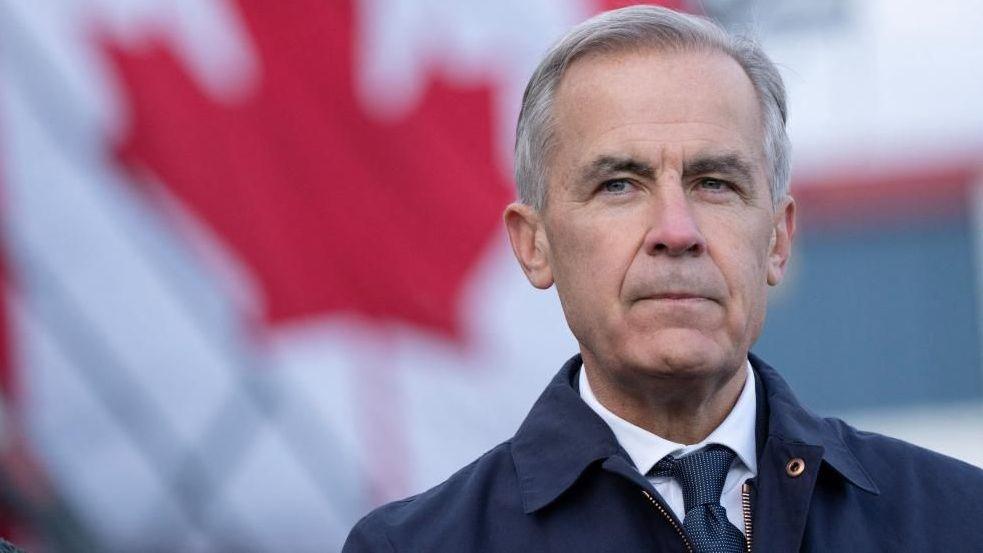
On the evening of the Alberta separatist referendum, a stage in Calgary flanked by red‑and‑white banners witnessed Prime Minister Mark Carney rallying crowds with a clarion call: “Vote like Canada depends on it.” The provincial vote, still finalising its tallies, shows more than two‑thirds of voters endorsing unity, sending a pre‑sized message to Ottawa and Washington alike.
For Carney, the result is dual‑pronged. Domestically it consolidates support for the federal government’s plan to reinvigorate Canada’s public finances – a priority amid the ongoing US trade conflict. Internationally, it supplies a platform to counteract former President Donald Trump’s bluster at a Kansas rally, where the U.S. leader joked about removing ice hockey and the national anthem from Canada.
The province itself is pivotal: its proven oil reserves and gas infrastructure lie at the heart of Canada’s energy policy. Carney, a native of Edmonton who has served as a UN Special Envoy for Climate Action, frames Alberta’s pipeline ambitions – including possible links to the Pacific coast – as an economic lifeline that also reduces dependence on U.S. markets.
However, the referendum’s outcome will reverberate beyond the pulse of Alberta. Provincial powers, immigration costs, and potential constitutional reforms were all part of a series of seven other questions, many of which could prompt negotiations across the federation. These touch on the delicate balance between a central government that seeks a “strong Canada” and the nine provinces that each bring different economic interests and histories of dissent.
Analysts such as Janice Stein of the University of Toronto caution that foreign investors weigh more on projected timelines and regulatory certainty than on domestic politics – a factor that could influence Calgary’s appetite for long‑term megaprojects like the west‑coast pipeline. Yet, the massive 16‑bill legislative agenda adopted last session offered sweeping changes in taxation, public safety, and fuel pricing that may mitigate provincial concerns about federal overreach.
Internationally, Carney has been targeting not only a sharpening of trade ties with the United States but also establishing “associate membership” with the European Union – a move that critics say is still far from fruition. His new stewardship at the United Nations has also sharpened his stance against President Trump’s aggressive rhetoric, positioning Canada as an emergent diplomatic partner on the world stage.
For Canadians, the referendum’s final numbers could mean renewed pride in the flag but also raise questions about future levels of nationalism once the Trump era ends. Until Canada’s federal‑provincial calculus settles, the province remains the keystone that either holds the nation together or redefines its political architecture.