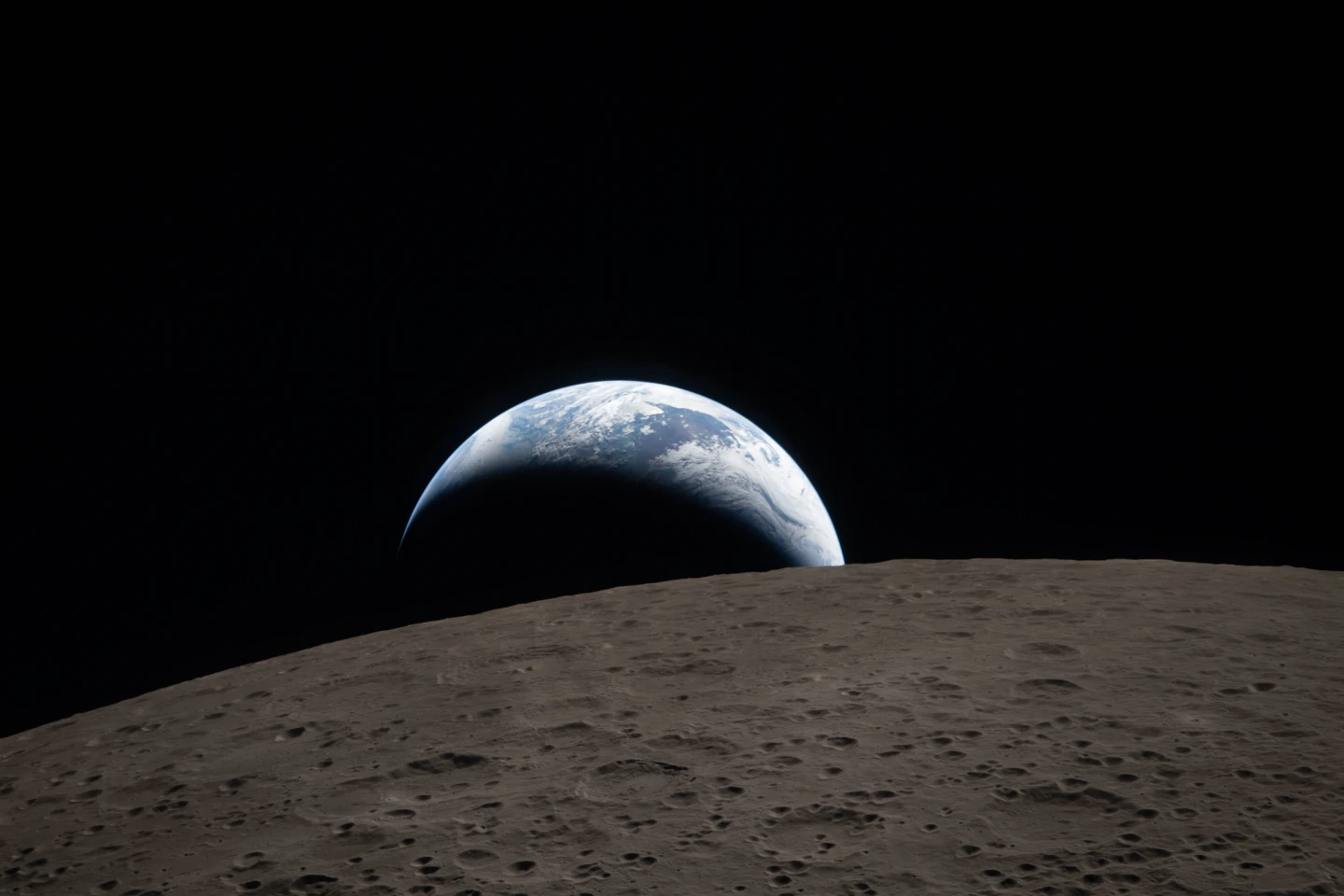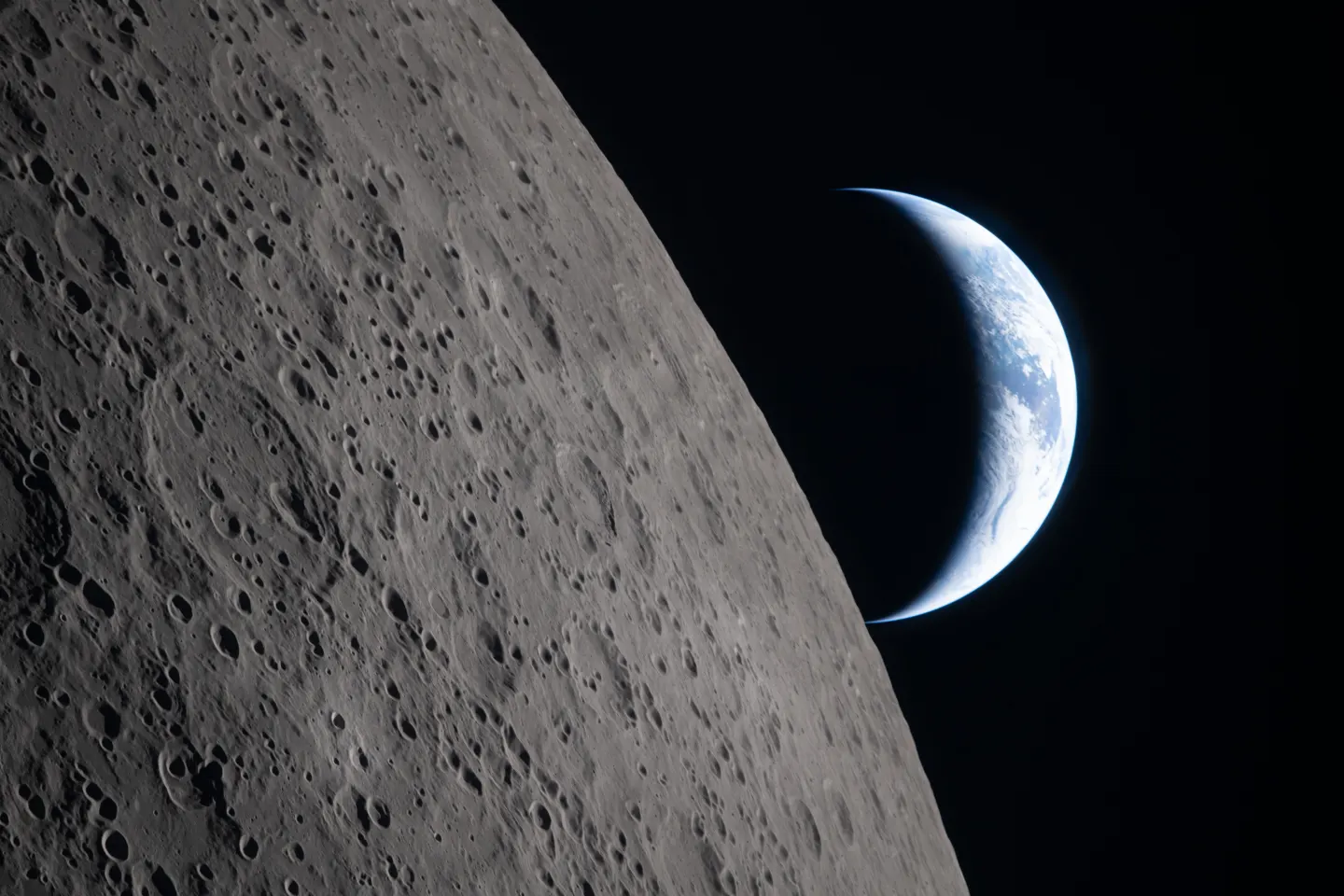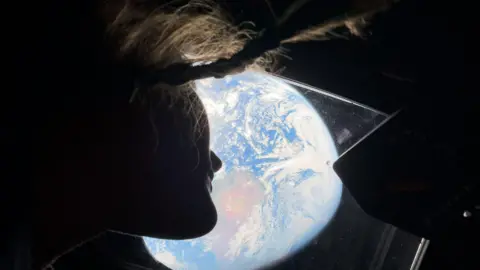
Nasa is releasing a steady stream of stunning pictures of the Moon and Earth taken by the astronauts on its Artemis II Moon mission.
Attracting millions of likes on social media, the images show the two bodies from unusual angles in glorious high definition.
There is no denying the drama: four astronauts are embarking on a mission that will take them further from Earth than any human has ventured since 1972.
But is there unique scientific value in these images, or are these simply the equivalent of holiday photos?
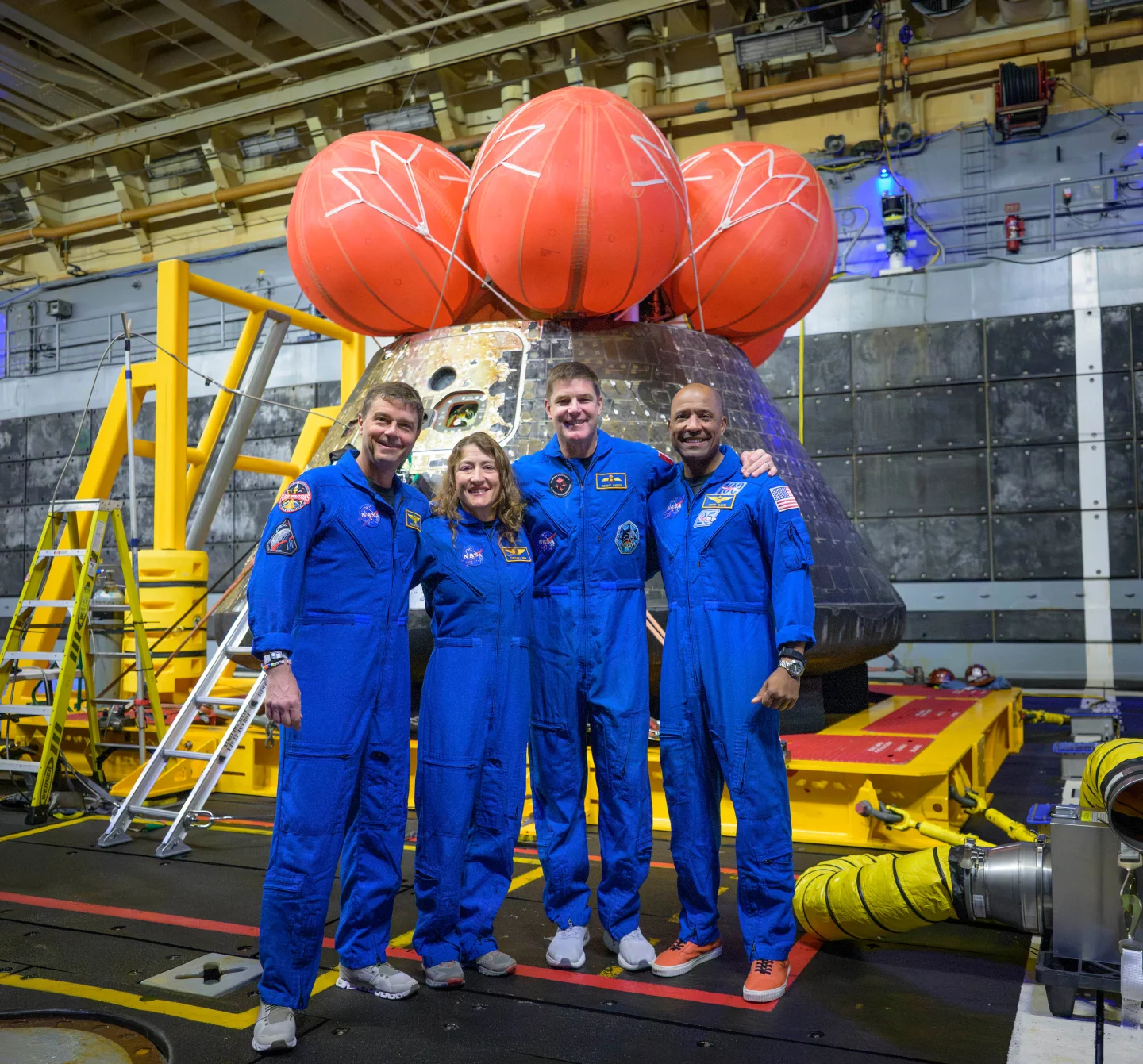
Nasa wants the American public behind them to support the mission. They are live-streaming the 10-day journey, and the four astronauts are doing regular video updates, describing their progress in triumphant tones.
The crew have been so excited to watch the world and Moon go by, that the window inside the Orion spacecraft got dirty and the astronauts were sent instructions on how to clean it.
This is the first time that digital cameras have been taken this far into space, with Orion equipped with 32 cameras and devices, including 15 mounted onto the spacecraft and 17 handheld by the crew.
According to Nasa, the astronauts are using standard 10-year-old cameras, including the Nikon D5, as well as GoPros and smartphones. Nasa's photostream on Flickr even tells you the device used to take each of the published photos.
On Friday, the first results of their intense observations were revealed. Commander Reid Wiseman captured a photo titled Hello, World that shows two auroras as Earth eclipses the Sun, with Venus glowing at the bottom of the image.
However, while beautiful, this picture does not offer new scientific insights—it notes how in 2015, Nasa launched a satellite with a camera that frequently captures images of Earth from far greater distances.
Nasa asserts that the images showcase human observation over robotic exploration, arguing that human eyes and brains are adept at noticing subtle details that robots might miss. This could lead to new discoveries or a greater understanding of the Moon's surface.
Experts like Chris Lintott, Professor of Astrophysics, claim the value of the Artemis images is primarily artistic rather than scientific, especially given the advancements made by robotic missions from other countries.
Nasa is keen on ensuring the Artemis mission highlights its capabilities against a backdrop of increasing competition with nations like China. Ultimately, while impressive and beautiful, these images may not yield significant new scientific findings, serving instead to reiterate existing knowledge and inspire public interest in space exploration.