In brief
BBC journalists on the ground in southern Lebanon see a sparse, desolate road where former villages lie in ruins, surrounded by newly erected Israeli checkpoints. Unifil, a UN mission, notes the construction of several Israeli bases along the border, turning a small 5 % strip of Lebanese territory into a fortified “security zone.” Lebanese authorities claim that the continued Israeli presence and demolition of civilian infrastructure violate agreements reached after a ceasefire. Hezbollah, which controls much of the region, rejects any plan to disarm without full withdrawal. The situation underscores the fragile nature of the current ceasefire and the potential for a more protracted occupation.
The highway running along the Mediterranean coast just south of the Lebanese‑Israel boundary appears more like a ghost road than a bustling thoroughfare. Farmlands are abandoned, villages are in ruins, and buildings bear the scars of what journalists describe as extensive Israeli air strikes and ground demolitions.
Near the town of Naqoura, a Lebanese checkpoint in the national flag colors marks the last visible sign of the Lebanese Army’s presence. Beyond it, a small cluster of Israeli flags signals the entrance into territory the Israeli Defence Forces occupy. The convoy of Islamist fighters that would normally march along this stretch has been replaced by rows of concrete walls and military vehicles.
Southern Lebanon forms the heartland of Hezbollah, the Iranian‑backed militia that draws most support from the Shia Muslim community. The region experienced three separate Israeli invasions over the past 20 years, the most recent beginning in March 2026 after Hezbollah launched rocket attacks into Israel that followed the death of Iran’s supreme leader. Israel has now declared a “security zone” to shield northern Israeli communities from potential Hezbollah rockets and drone attacks, and to deter any future ground incursions.
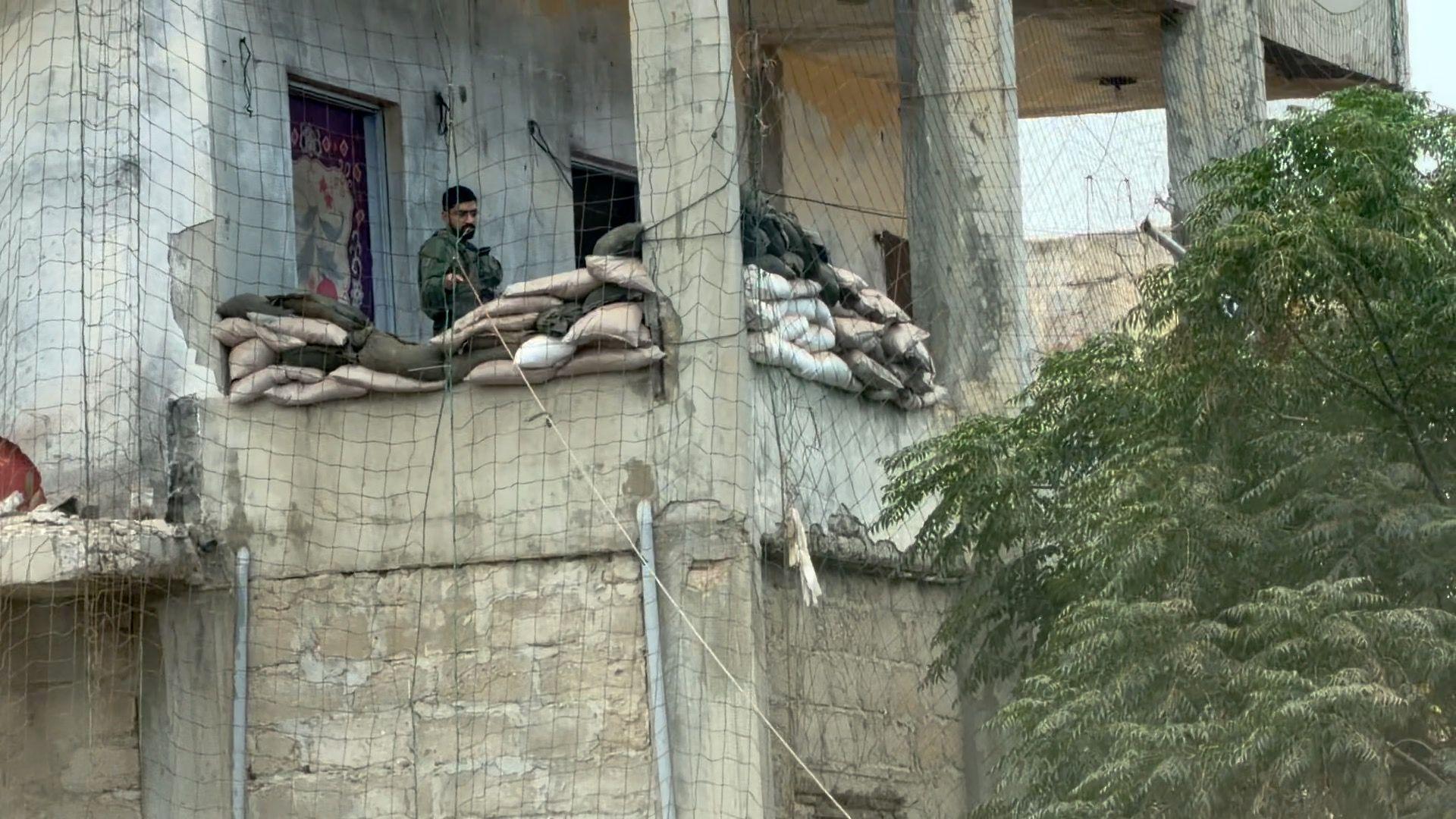
During a brief UN‑led humanitarian mission last month, BBC reporters saw the Israeli forces build service roads, move troops, and fortify residential structures with protective netting. They also recorded air strikes and explosions in the distance, a testament to ongoing demolitions of Lebanese villages in the occupied area.
Unifil, led by Finnish troops, reported that Israel has established nine bases in the occupied strip, a drastic increase from the five that remained after the previous war. The organisation has documented the construction of protective infrastructure and alleged civilian demolition undertaken to support military operations.
The Lebanese intelligence service estimates that Israel has carried out more than 5,000 violations of a ceasefire agreement that included a cessation of violence in Lebanon. These violations comprise air strikes, drone attacks, shelling and daily troop incursions beyond the officially controlled “Yellow Line.” Lebanese officials argue that the demolitions are intended to prevent the return of residents to their homes for years to come.
Israel has dismissed reports that its actions are a war crime, stating that the destroyed buildings were used by Hezbollah for military purposes and that it operates under international law. However, human‑rights groups accuse the occupation forces of deliberately targeting civilian infrastructure. Hundreds of thousands of Lebanese live in displacement camps, uncertain whether and when they can return to the villages that have been razed.
In June, the United States and Iran signed a preliminary treaty aimed at ending their conflict, which included provisions for a reduction in violence on the Lebanese front. Israel’s continued presence, however, blocks the Lebanese government from negotiating Hezbollah’s disarmament, a key prerequisite for a broader Israeli withdrawal. The Israeli position insists that Lebanese forces are not conducting sufficient operations against a still‑powerful Hezbollah, while Hezbollah has rejected any negotiation that would require its withdrawal.
Negotiations have stalled, with Lebanese officials stating that there are no significant changes expected prior to the Israeli election at the end of October. A European diplomat, familiar with the talks, warned that the current situation resembles a “Gaza‑like” environment, where Israeli forces have entrenched themselves and are likely to remain for now.