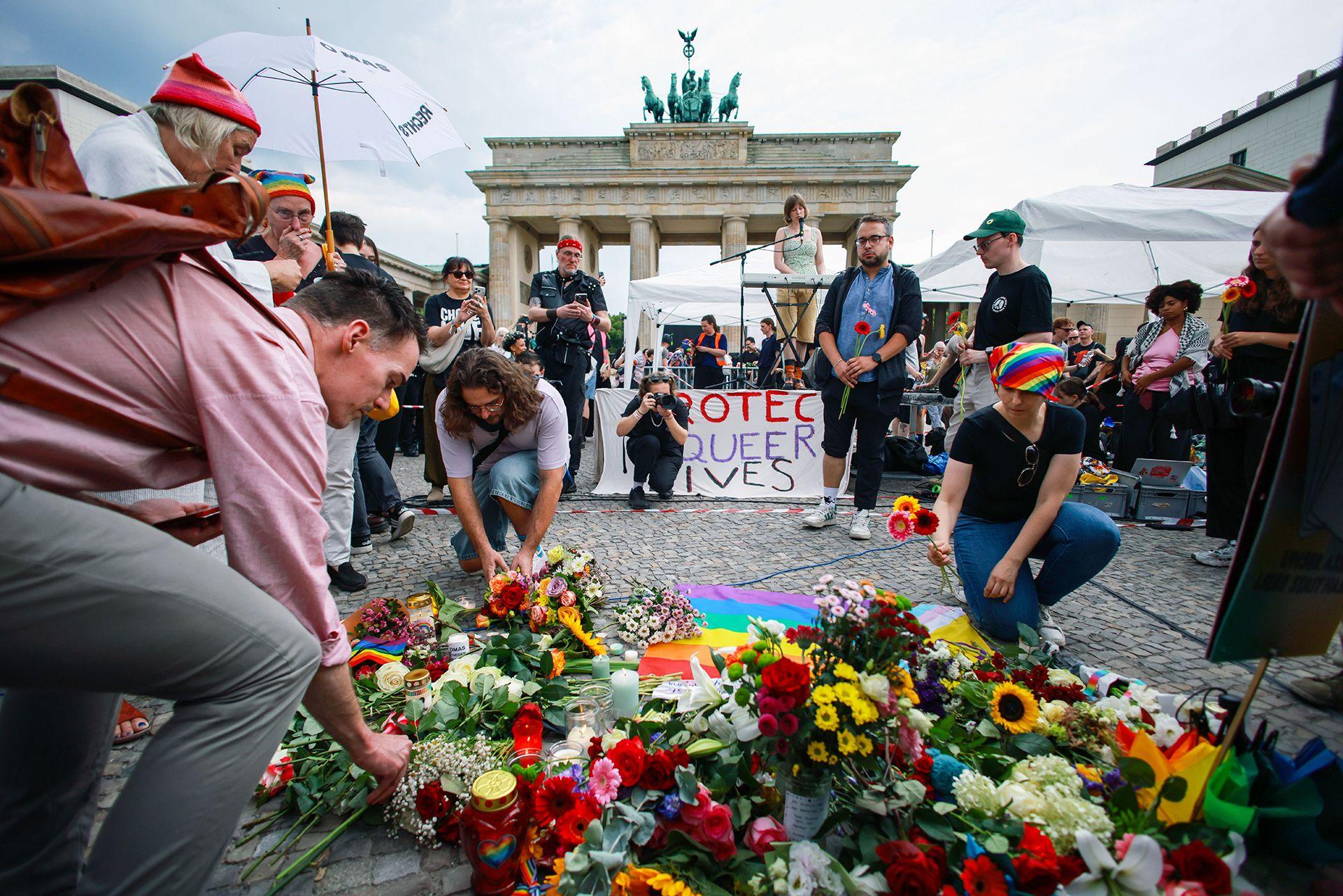
Grief, shock and anger dominate the response to the Berlin Pride attack that killed a Polish woman and injured at least 29 others.
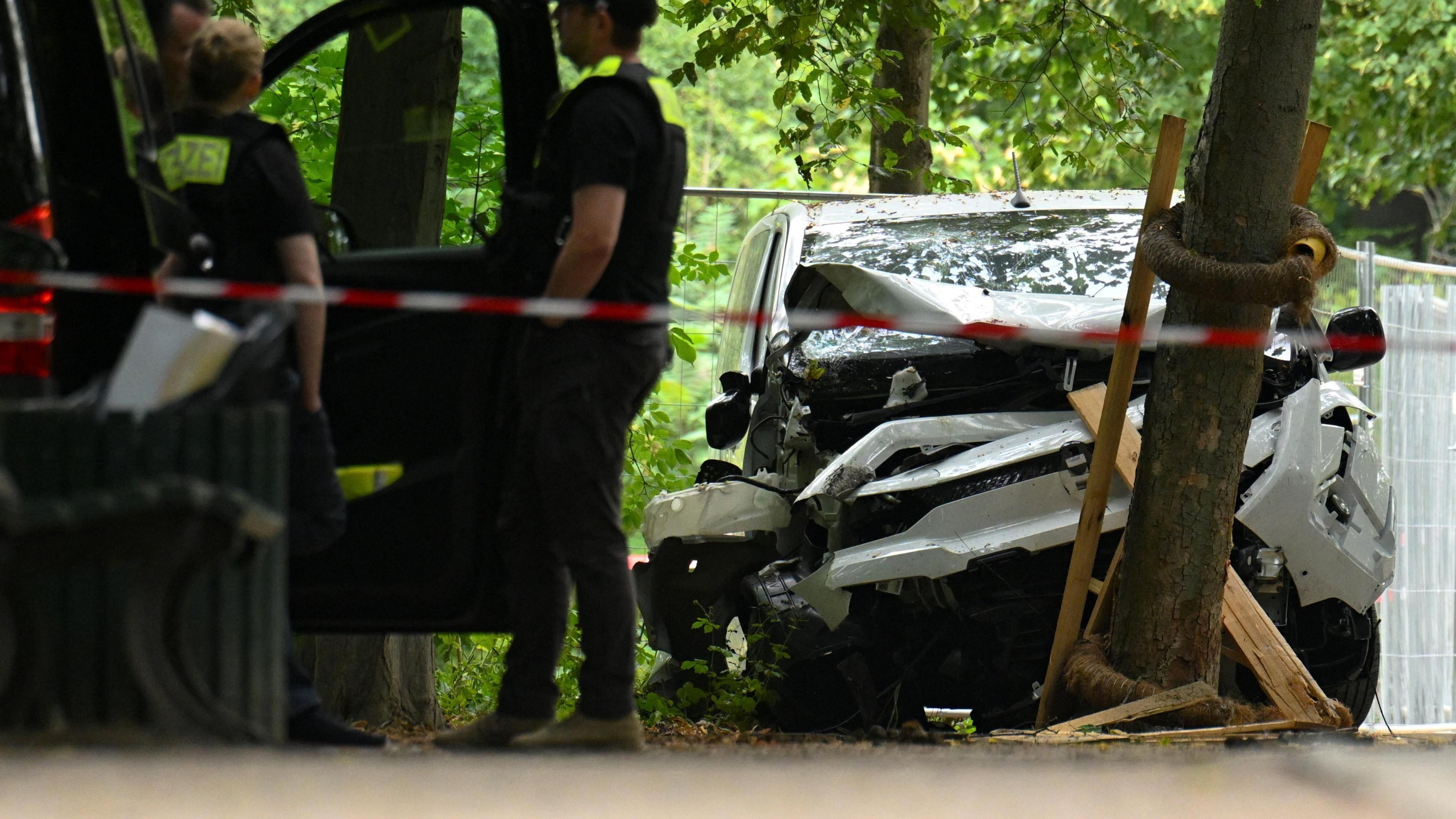
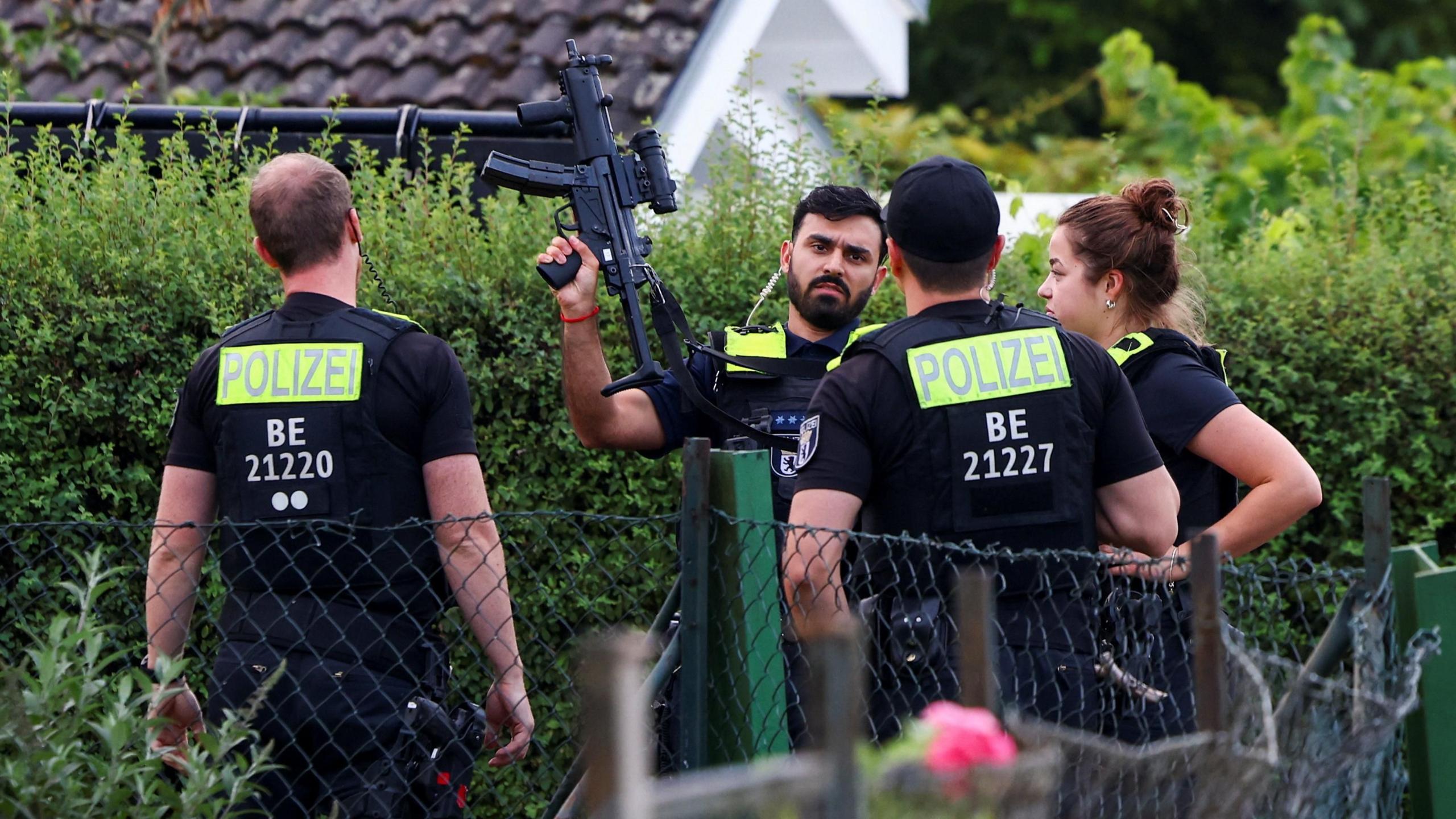
The attacker, 21‑year‑old Abdul Ballout, was killed by police after a vehicle struck a crowd on Saturday night. He had been released from detention only a few weeks earlier, a fact that has fuelled public outrage.
Interior Minister Alexander Dobrindt said Ballout had “previously drawn attention to himself through a high volume of criminal offences, radicalisation and affiliation with the Islamist scene.” He called the suspended sentence given to Ballout “incomprehensible” and pledged an investigation into how the suspect was freed.
Investigators trace Ballout’s journey: in mid‑2025 he travelled to Syria to join the Islamic State, and was later arrested in Lebanon for incitement. In November he returned to Germany, was detained in a pre‑trial facility, then sentenced in May to a juvenile period of one year and ten months for “preparing a serious act of violence.” The court’s suspended sentence was later upheld during an appeal, leading to his release and supervision by a probation officer.
Opposition parties, notably the far‑right Alternative for Germany (AfD), have condemned the incident as a failure of security policy and called for a detailed inquiry into why the suspect was allowed to roam freely.
Experts and politicians have weighed in on the adequacy of Germany’s terrorism and juvenile justice laws. Peter Neumann of King’s College London warned that sentences for terrorism offences are “too lenient” by European standards. Meanwhile, Social Democratic spokesperson Sebastian Fiedler emphasised that the law itself is not the problem, but its application. He urged a closer look at post‑release monitoring and contacts that may have influenced Ballout.
Prime Minister Friedrich Merz highlighted the need for decisive action, stating that authorities must “restrict freedom of movement as much as possible” for those classified as threats. He called for a review of legal provisions for monitoring and compliance with international standards.
The incident has triggered broader discussions about balancing civil liberties with public safety, and the efficacy of Germany’s current anti‑terrorism framework.