Cameroon's Long‑Serving President Biya Reshuffles Army Amid Extended Absence
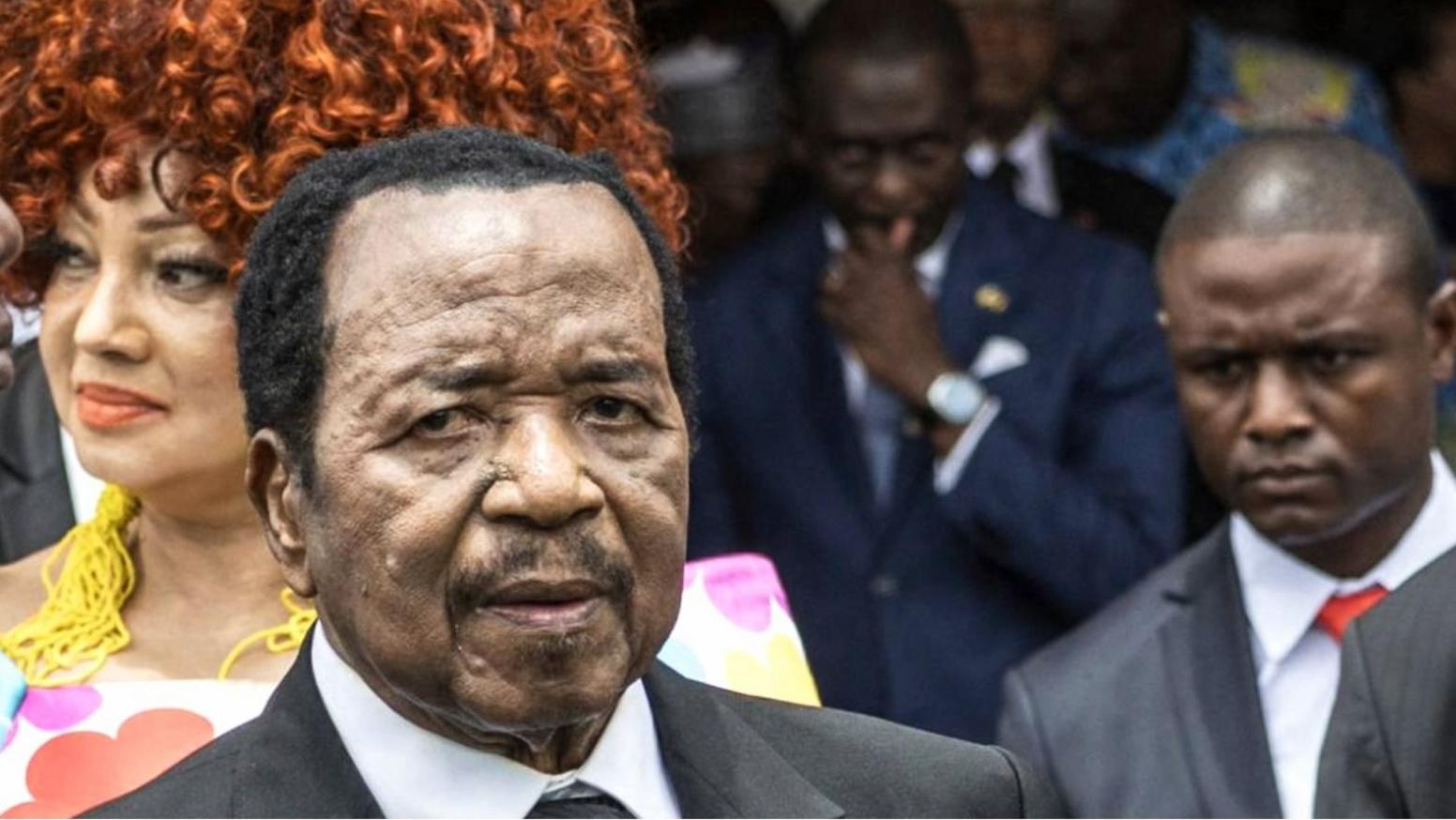
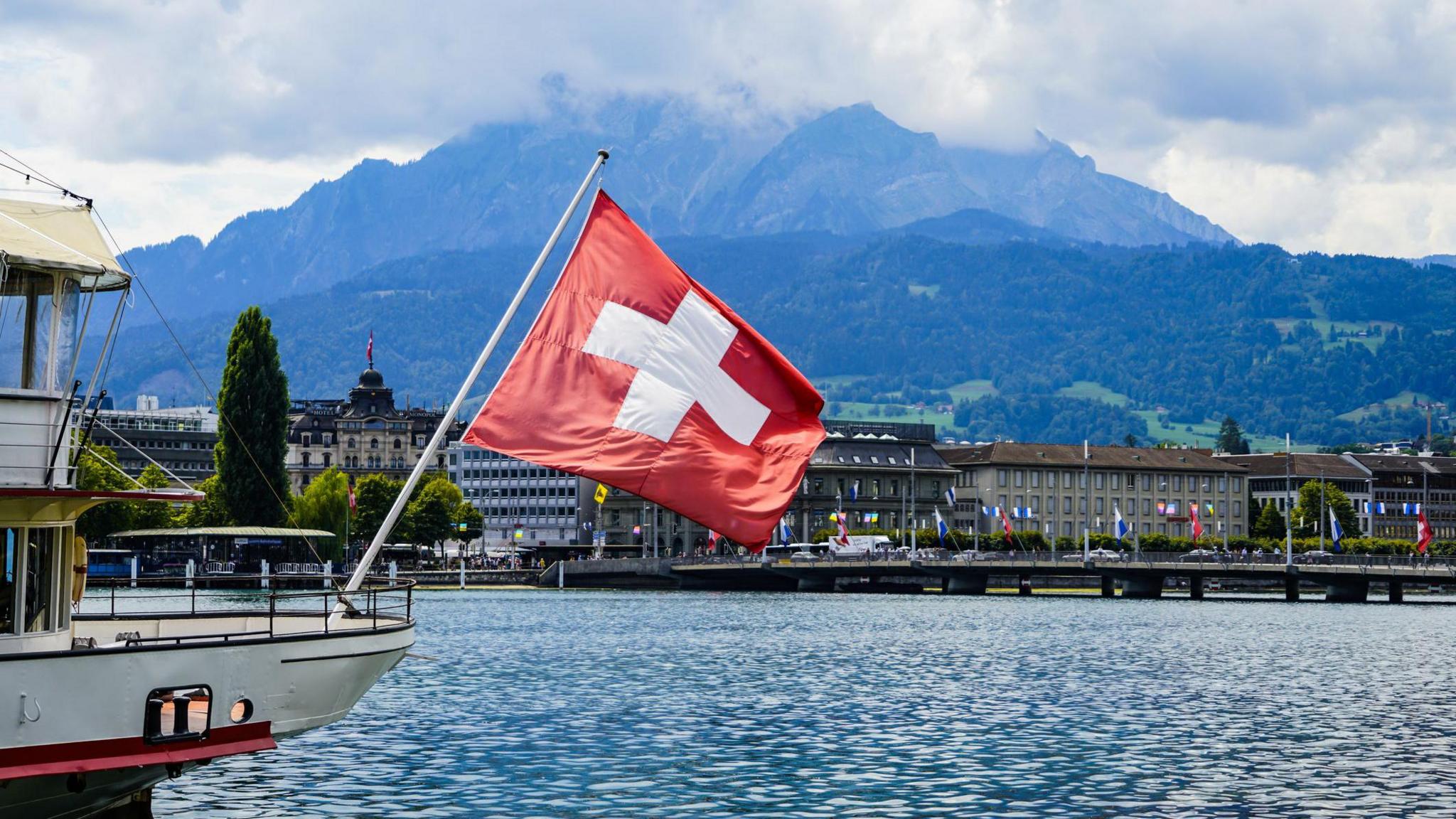
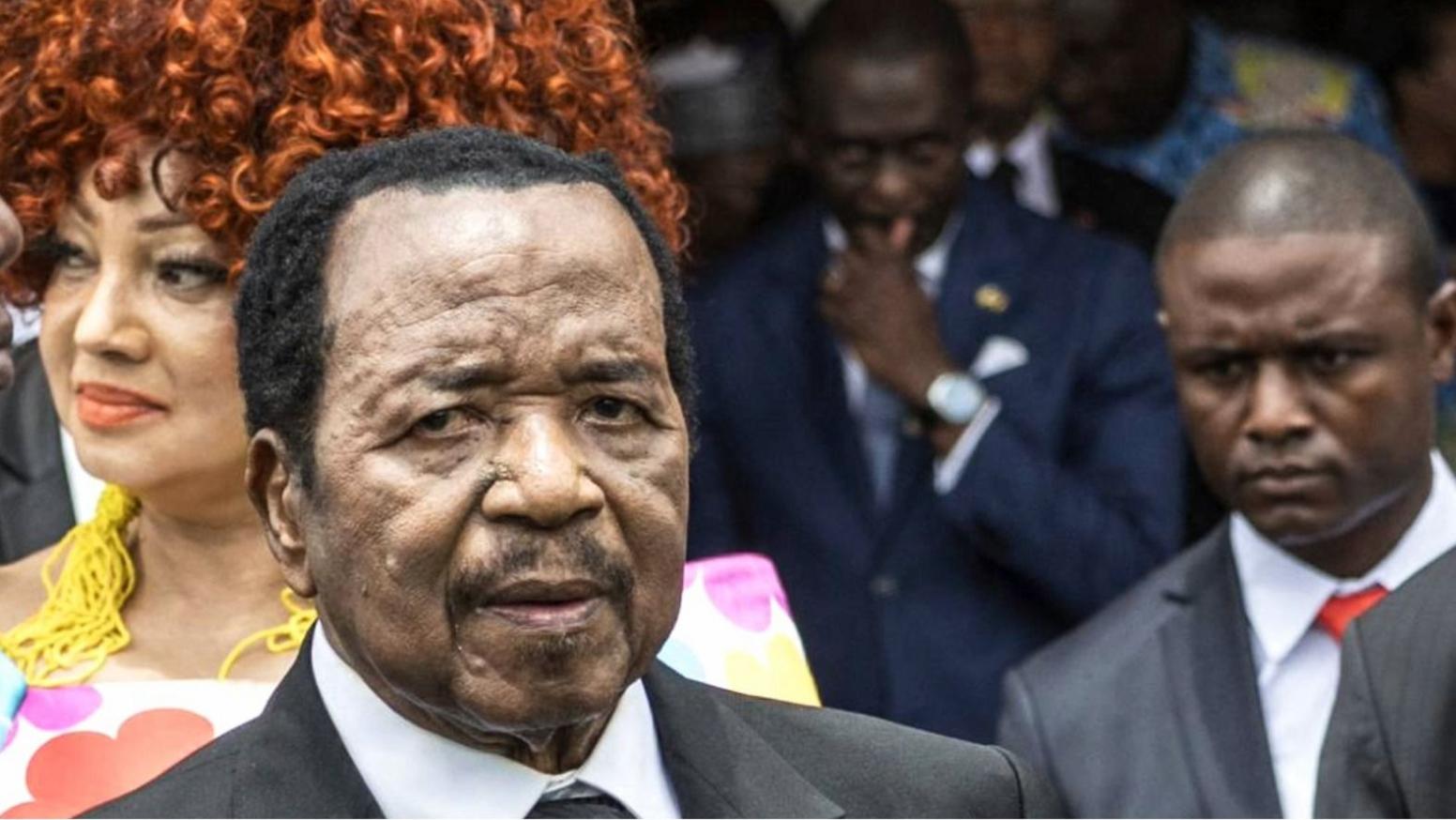
President Paul Biya, 93, has reshuffled key military positions in Cameroon, a decision that many see as a response to his 60‑day exile in Geneva.
The decree promotes five colonels to brigadier generals and re‑appoints Raymond Jean Charles Beko'o Abondo—who has led the presidential guard since 2013—to head the elite force responsible for Biya’s protection.
Such appointments are not unusual in Biya’s administration, where leadership changes often follow periods of intense scrutiny or perceived weakness. Critics point to the ongoing absence of the president, who left Cameroon on 7 June for a "brief private stay" in Switzerland, as a catalyst for the shake‑up.
Cameroon’s political landscape was already unsettled after an unexpected coup in neighbouring Gabon three years ago, and Biya’s recent eighth‑term election added further tension. The government has yet to unveil a new cabinet or fill the newly created vice‑president post, widening concerns about a potential governance vacuum.
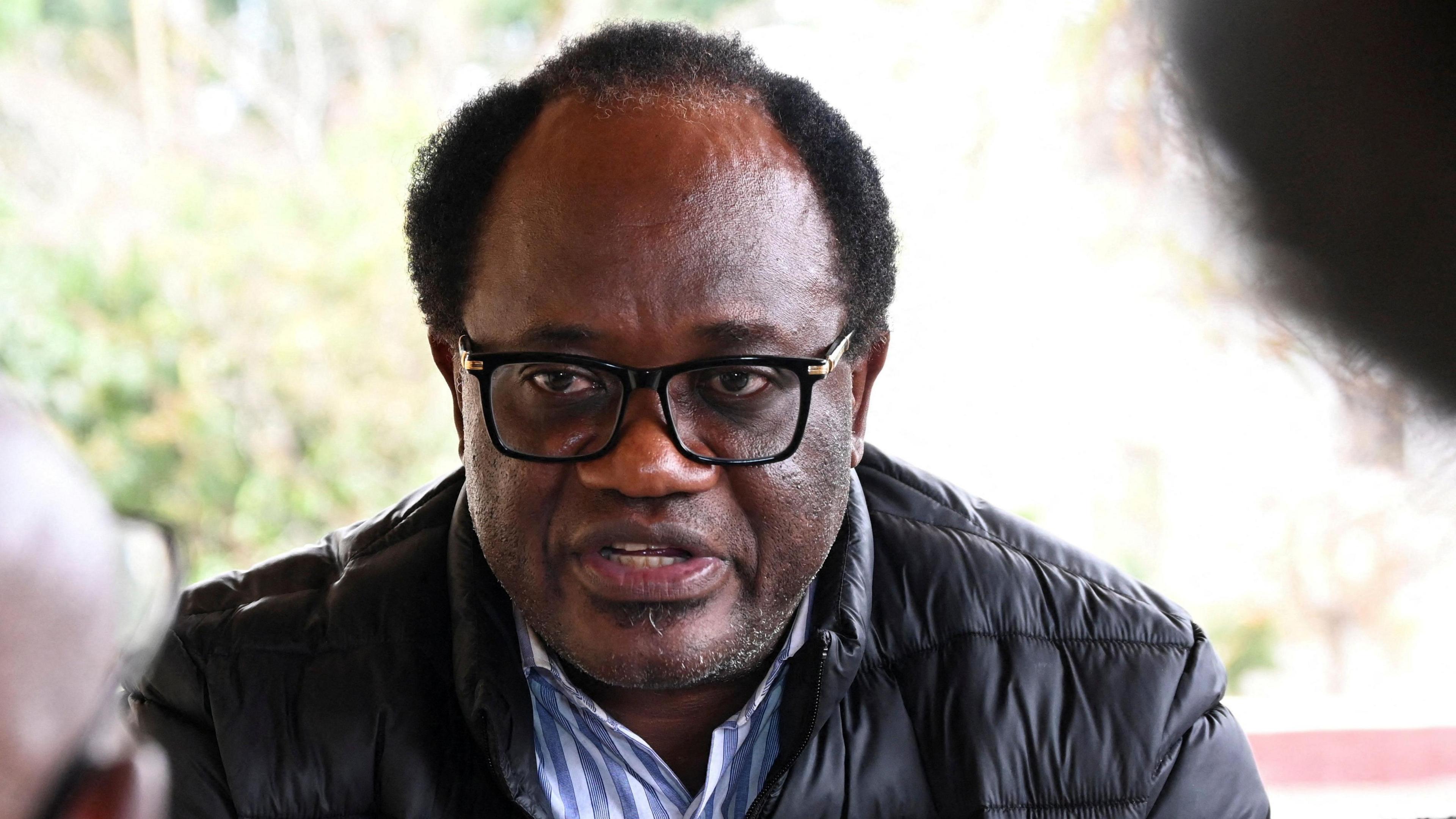
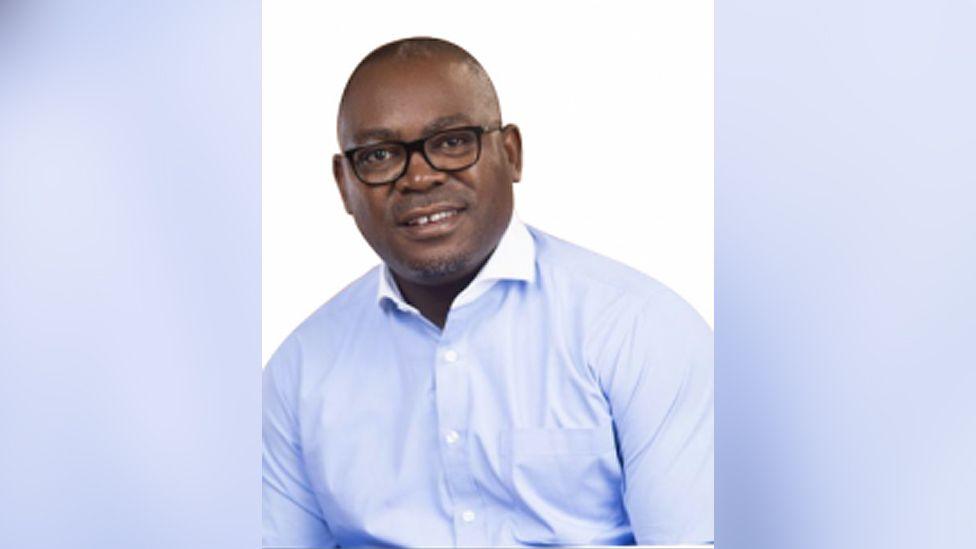
Opposition leaders, including the CRM party’s vice‑president Mamadou Mota, have called for urgent reforms, warning that “a country cannot be governed by remote control while critical socioeconomic challenges go unaddressed.”
The government maintains that Biya is alive and functioning from Geneva, rejecting allegations that his absence signals a vacuum at the helm of state power. Reports of a possible health crisis have been debunked, while press freedom groups condemn the ban imposed two years ago on media reporting about Biya’s health.
Cameroon's continued reliance on remote leadership highlights the complexity of maintaining stability amid a prolonged absence of its most senior political figure, raising questions about future governance and military loyalty.