In brief
Canada will participate in the 2027 Eurovision Song Contest, marking its debut as the first new member since Australia in 2015. After the CBC & Radio-Canada gained full EBU membership, Canada can field a national selection. The country has already had singers represent France – winning in 1988 with Céline Dion – and will enter the semi‑finals in Bulgaria ahead of the final in Sofia, following Bulgaria's 2026 victory. The move follows a 2026 contest where several countries withdrew over Israel’s inclusion and offers Canada a chance to broaden the reach of the competition.
Canada Set to Debut in Eurovision 2027 After EBU Membership
Canada will take part in the Euro‑vision Song Contest in 2027, the first new country to join the competition since Australia in 2015. The move is powered by the recent upgrade of Canada’s public broadcaster, CBC/Radio‑Canada, to full membership of the European Broadcasting Union (EBU), the organisation that stages the annual contest.
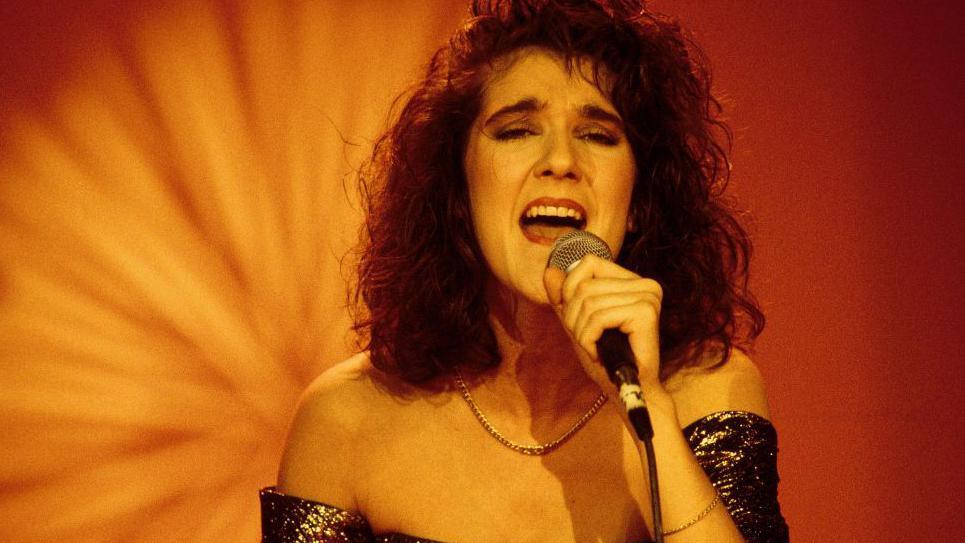
Canada has a record of success in Eurovision, even though it is not a member of the European Union. Quebec‑born singer Céline Dion represented France in 1988 and brought home the trophy with “Ne Partez Pas Sans Moi.” In 2001 Acadian Natasha St‑Pier and in 2023 Montreal‑born La Zarra also represented France, winning the jury vote in each of those years.
The country will start in the semi‑finals held in Sofia, Bulgaria – the host city for next year’s final following Bulgaria’s win in 2026. CBC/Radio‑Canada will reveal in the coming months how its national selection will work, a process that will involve the public and a panel of music experts.
The announcement comes after a tumultuous 2026 contest in which Ireland, Spain, Iceland, the Netherlands, Slovenia and others withdrew over the EBU’s decision to admit Israel. Eurovision director Martin Green said the EBU will allow broadcasters to return to the 2027 programme if they choose to do so, widening the diversity of the event.
Canadian First Minister and broadcasting head Noel Curran welcomed the expansion, noting that “Canada’s voice in this community makes us stronger.” The government has already committed over C$150 million in funding to support the broadcaster’s participation.