In brief
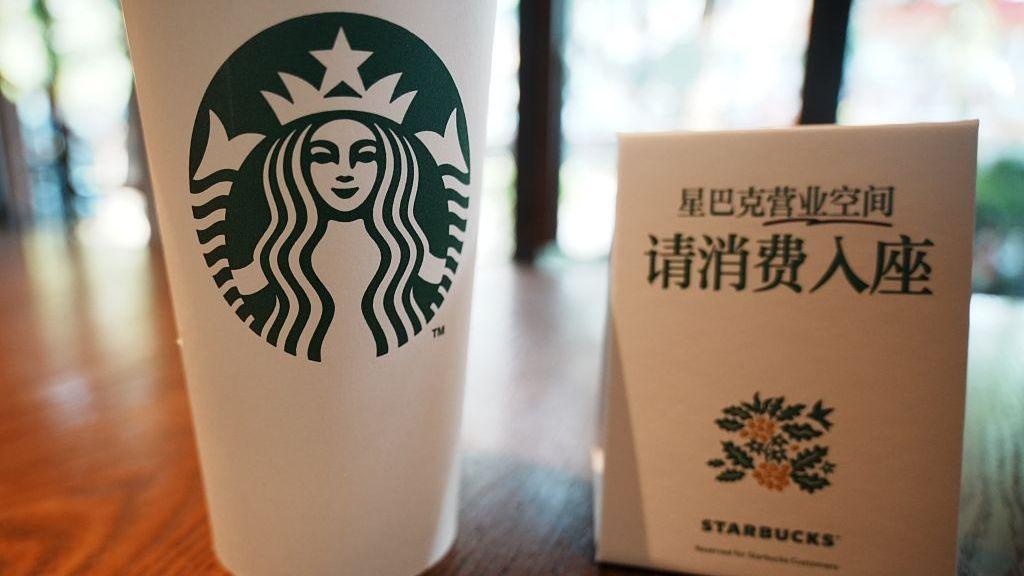
Starbucks China has introduced a policy that requires customers to purchase a beverage before they can sit in any of the chain’s 8,000 stores. The move, aimed at improving the in‑store experience, follows similar tactics used across the world to curb non‑paying patrons. Social media users largely praised the decision, hoping it will reduce overcrowding and encourage more efficient use of space. The policy arrives as Starbucks faces mounting pressure from cheaper domestic rivals like Luckin Coffee and is part of a broader plan to boost staffing and digitise service delivery.
Starbucks China now forces customers to buy a drink or food before they can occupy any seat in its 8,000 cafés.
The new rule takes effect across the country as the brand seeks to patch what it calls a deteriorating in‑store experience, and to make space for paying customers during peak times. The policy was announced through a company statement that highlighted a drive to “improve the in‑store experience” amid a competitive landscape that includes local chains such as Luckin Coffee.
Many Chinese social‑media users welcomed the change. A top‑liked Weibo comment read, “Finally there won’t be peak periods where people sit without ordering anything.” Another user added, “I’d rather leave the seats for those who are paying.”
Starbucks’ move echoes similar adjustments elsewhere. In South Korea the chain told patrons to stop bringing bulky items that hog seats, while in North America it reversed an open‑door policy that allowed seating and toilet use without purchase. Reports of chained outdoor seats in Sichuan also sparked debate about blocking non‑paying customers.
With China becoming Starbucks’ second‑largest market—a position it has held since 1999—competitors like Luckin have recently offered cheaper, grab‑and‑go product lines and an app‑centric ordering experience that challenge Starbucks’ full‑cafe model. In 2023 Luckin overtook Starbucks as China’s largest coffee chain, intensifying the need for Starbucks to adapt.
Earlier this year Starbucks announced it would sell a 60% stake of its China business to Boyu Capital as part of a $4 billion deal, signalling a strategic shift. The company also plans to increase staffing, upgrade digital systems and invest to “ensure customers receive timely and warm service even during peak hours.”