In brief
Recently released footage of a 22‑October White House meeting showed U.S. bishops praying beside President Donald Trump. The bishops—Milwaukee Archbishop Jeffrey Grob and Des Moines Bishop William Joensen—later expressed regret, saying the session was private and not a political photo‑op. They warned the public had misinterpreted the event as partisan support. Critics note the bishops’ statements come amid ongoing debate over the Trump administration’s immigration policies and its strained relationship with the Vatican, while the White House defended Trump’s faith. The incident highlights tensions between religious leaders and the political arena as the country heads toward mid‑term elections.
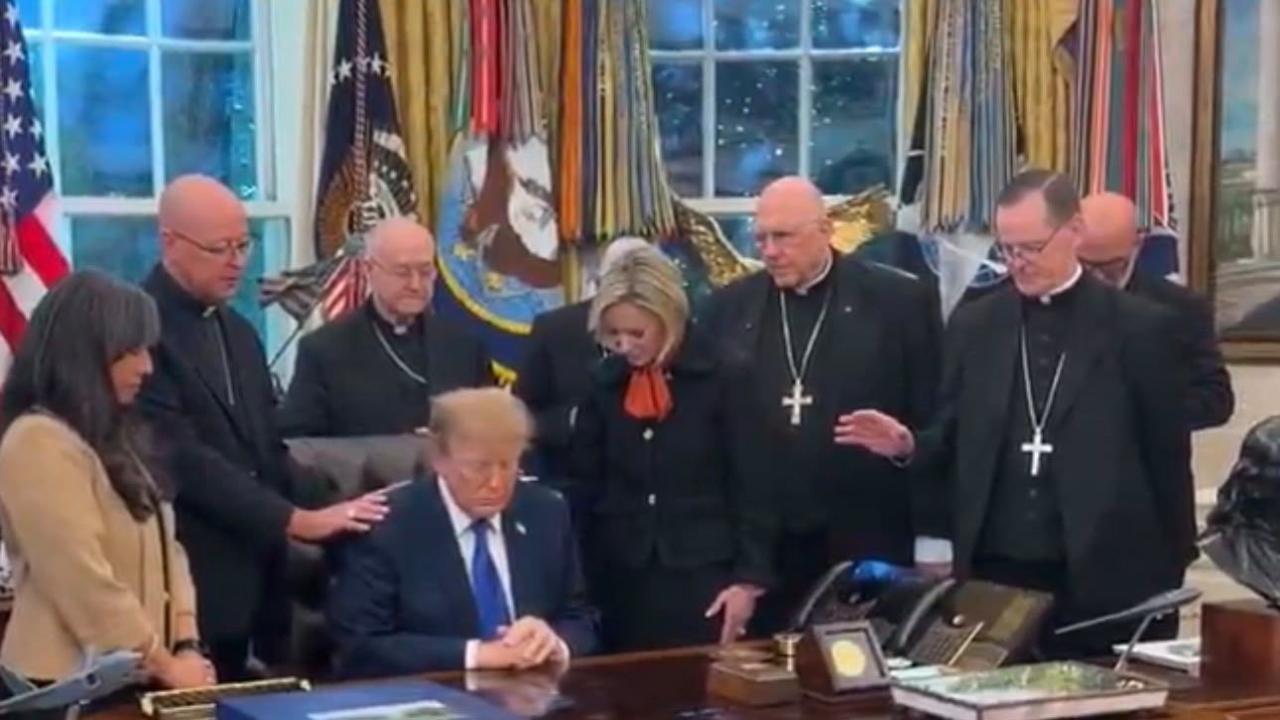
Two Catholic bishops in the United States have said they regret meeting President Donald Trump at the White House after images of them praying with him were released and critics asked whether they were making a political statement.
The footage shows a group of bishops standing around Trump at the Resolute Desk in the Oval Office on 22 October.
Milwaukee Archbishop Jeffrey Grob, pictured in the clip, said he had believed the meeting was private and not “a political photo opportunity.”
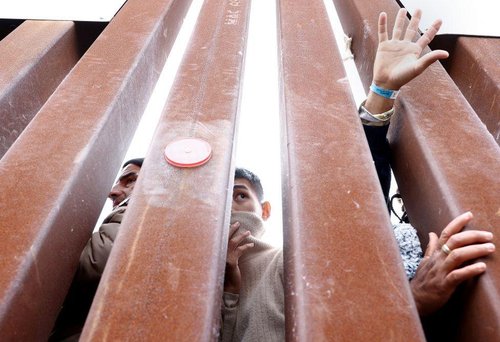
While Trump has generally enjoyed the support of Catholic voters, the relationship between the U.S. White House and the Catholic hierarchy has been contentious over immigration matters.
In a post online, Bishop William Joensen of Des Moines said the gathering was arranged by officials from the White House Faith Office to discuss immigration, visas for clergy, and “the exploitation of vulnerable poor persons.”
“In no way did any of us intend by our involvement to endorse any political party or any individual candidate,” Joensen added. He also said he wished he had been “more shrewd and less simple, like those who exploited our meeting for partisan political purposes.”
The clip was released by Margo Martin, a special assistant to the president and communications adviser who frequently posts behind‑the‑scenes images of Trump on social media.
Grob explained that after about 90 minutes of meetings with White House officials, the bishops were ushered into the Oval Office to pray with the president—an arrangement he said was unannounced to the public.
The bishops later reported that many of Grob’s congregants sent messages of concern, worried that the timing—less than two weeks before a national election—could be seen as a political act.
The White House did not directly respond to questions about the meeting. White House spokeswoman Taylor Rogers said, “There has never been a greater president for Catholic Americans than President Trump, and his strong record proves it.”
According to the Pew Research Center, approval of Trump’s performance has fallen among all major religious groups, with only 30% of U.S. Catholics approving in the most recent survey, down from 47% during his first term.
The change in sentiment may affect the 3 November mid‑term elections, when 42% of Catholic voters selected Democrats for local House races, versus 39% who favored Republicans.
The bishops’ comments also come amid the Trump administration’s tense relationship with Pope Leo XIII over immigration enforcement, and the broader debate over religious freedom and humanitarian policy in the United States.
Several other U.S. Catholic leaders have publicly critiqued the administration’s priorities, including a recent condemnation of plans to livestream a military execution and a call for “Christian compassion and wisdom in the immigration debate” by Bishop Brendon Cahill and National Association of Evangelicals president Walter Kim.
Notably, some high‑profile Catholic politicians—such as Vice‑President J.D. Vance and Secretary of State Marco Rubio—have visited the Vatican during Trump’s second term, underscoring the complex interplay of faith and politics.