In brief
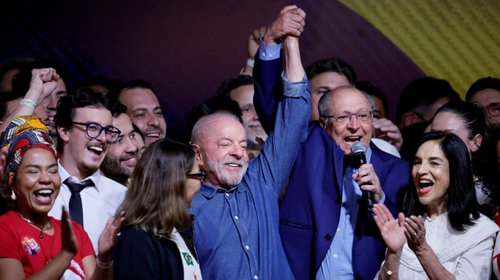
A WhatsApp channel called 'Lula's Army' grew to 10.8 million followers in a few weeks and was credited with turning the race in Luiz Inacio Lula da Silva’s favour. The group pushed supporters to share videos, hashtags and recruit voters, overturning the long‑time digital dominance of right‑wing networks. Although scientists caution that exact vote gains from the channel are hard to measure, the campaign blended online pressure with street‑level mobilisation to reduce abstention and win undecided voters. Lula hailed congressman André Janones as "our General" in his victory speech, signalling a new partnership between grassroots energy and presidential ambition.
A WhatsApp channel called 'Lula's Army' grew to 10.8 million followers in a few weeks and was credited with turning the race in Luiz Inacio Lula da Silva’s favour.
The rise of 'Lula's Army'
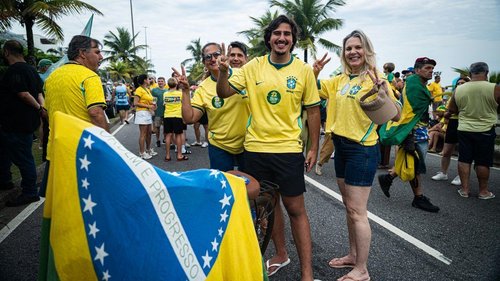
When polls pointed to a victory for Flaviu Bolsonaro, the channel exploded to 10.8 million followers under the leadership of congressman André Janones. Lured by calls to share videos, hashtags and recruit voters, supporters turned the tide in a country where right‑wing groups had long dominated WhatsApp and Telegram.
Social media's role in the comeback
Scientists urge caution in attributing vote numbers, but the coordinated mix of online messaging and on‑the‑ground mobilisation cut abstention and won undecided voters. Lula thanked Janones as "our General" in his victory speech, signalling a new partnership between grassroots energy and presidential ambition.
The campaign’s blend of aggressive online tactics and street‑level outreach suggests a learning experience that could shape governance – with Lula promising "a greater voice for people" via digital channels.