In brief
As the Muslim community in Australia gathers to celebrate Eid, they continue to face a worrying increase in Islamophobic incidents, which have surged dramatically in recent months. This year, communal Iftar gatherings take on added significance as community leaders emphasize unity and resilience in the face of adversity. Amid fears of violence and increasing scrutiny, Muslims in Sydney's Lakemba district express their hopes for a more inclusive society, while local leaders advocate for action against rising hate.
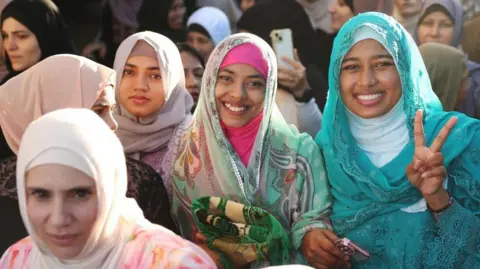
As sunset approached in the south-western Sydney suburb of Lakemba last week, the street outside the Imam Ali bin Abi Taleb Mosque filled with thousands of people, who settled at trestle tables covered with white tablecloths for a community Iftar, the evening meal that marks the end of daily fasting in Ramadan. The atmosphere was festive, with families breaking their fast with dates and sharing food, despite the police surveillance trailer nearby, indicating heightened security due to recent threats.We are going through very challenging times at the moment for the Muslim community and Australia in general, said Gamel Kheir, secretary of the Lebanese Muslim Association. He expressed the importance of unity, stating, If ever there was a need for communities to come together and break bread, I would say this year is more important than ever.Yet, as the celebration unfolded, the backdrop of rising Islamophobia in Australia loomed large. Reports indicate an average of 18 Islamophobic incidents occur each week, representing a drastic increase since the Hamas attacks on Israel on October 7, 2023.Community actions, such as the Iftar, have taken on greater significance against this backdrop, as a means of solidarity amongst Muslims and a challenge against rising discrimination. These numbers are an under-representation of the real issue—many do not report for various reasons, noted Nora Amath, executive director of the Islamophobia Register Australia.Compounding these challenges are the recent events within Australia, including the Bondi Beach massacre, which has ignited fears and mistrust among communities. The Australian Jewish community also reports a stark increase in antisemitic incidents, leading to a climate of heightened tension between communities.While Muslim community members shared their experiences of discrimination, they also emphasized the rich multicultural heritage of Australia. Sydney's Lakemba, home to a significant Muslim population, reflects a vibrant multicultural identity, yet the reality of ongoing racism presents ongoing challenges.In light of these issues, local leaders and residents are calling for greater action against hate and for a reexamination of Australia's multicultural narrative. As national politicians face increasing scrutiny over their roles in perpetuating these tensions, Kheir's determination serves as a reminder of the resilience and community spirit that continues to thrive within Australia's Muslim population.As they celebrated Eid, participants at Lakemba's Iftar remained hopeful for a future where diversity is embraced and not challenged by fear. Community leaders advocate for more inclusive dialogues and actions to mend the fabric of Australian society, reminding all that unity and peace prevail amidst adversity.