In brief
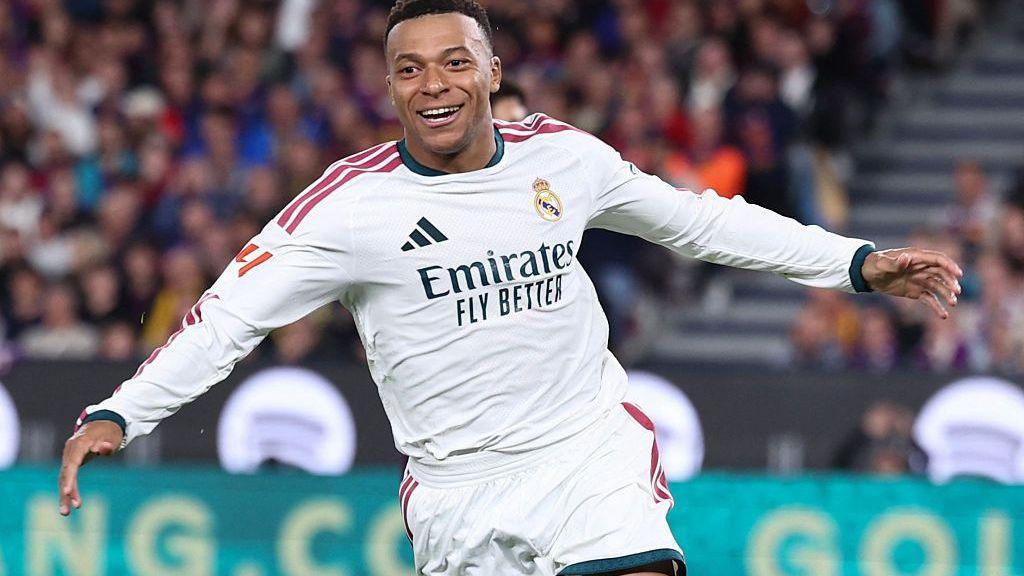
Several major Chinese brands have terminated their contracts with Real Madrid striker Kylian Mbappé amid a growing backlash over his comments on a talk show that some interpreted as a joke about Mao Zedong. The incident sparked outrage on Chinese social media and prompted the Chinese foreign ministry and state broadcaster to condemn the remarks, urging respect for national sentiment. While Mbappé and the show have yet to respond, the controversy highlights the sensitivity of cultural references in global marketing and the complex relationship between celebrities and China’s consumer market.
Background of the Incident
The controversy began when French footballer Kylian Mbappé told a French talk show that a meme featuring a man he described as a “Chinese dictator” always made him laugh. Screenshots of the clip circulated on Chinese social media, where the meme had Mbappé’s face superimposed over an image resembling Mao Zedong, the founding leader of the People’s Republic of China.
Reaction from China’s Market and Government
The backlash was swift. Users on platforms such as Weibo condemned Mbappé, arguing that a global celebrity profiting from the Chinese market should not make remarks that offend the public. Chinese state‑controlled media added a layer of condemnation: a spokesperson for the foreign ministry said, “Words that hurt the feelings of the Chinese people will naturally face opposition from all sectors.”
China’s largest dairy manufacturer, Mengniu, and the beverage company Dongpeng publicly announced a “zero‑tolerance” policy toward any comments that injure national sentiment, though they did not specify the clip. Meanwhile, the state broadcaster CCTV reportedly pulled La Liga matches from its listings and removed content featuring Mbappé from its news apps.
Corporate Fallout
Major Chinese brands that had endorsed the striker—a figure with a significant commercial presence in China—scrapped their partnerships without a public explanation. Brands such as Dongpeng and Mengniu framed their decisions around protecting the “feelings of the Chinese people.” The episode illustrates the high stakes of cultural sensitivity in international sponsorships.
Mbappé’s Position and Wider Context
Neither Mbappé nor the talk show have issued statements. He has, however, acknowledged in past interviews that memes depicting him as a dictator are playful but lack political awareness, noting that “being compared to people who have caused great harm” is “not funny.”
The incident underscores the delicate balance between celebrity humor and the cultural sensitivities of large markets. As China remains a critical arena for global brands, the recent fallout serves as a cautionary tale for marketers and public figures alike.