In brief
A former Chinese police officer and long‑time activist has escaped mainland China by boat, traversing more than 300 km in a rubber dinghy before being rescued by South Korean authorities. Dong Guangping, who has been imprisoned multiple times for his opposition to the Chinese regime, finally secured political asylum in Canada. His story underscores the risks that dissidents face while attempting to flee authoritarian governments and highlights South Korea’s role as a transit point for refugees. The Chinese government denied any wrongdoing, insisting that citizens must abide by law, while Berry’s Canada embraced him as a free‑world advocate. Dong’s escape adds to a growing list of Chinese activists who have sought refuge abroad after repeated thwarted attempts to leave the country.
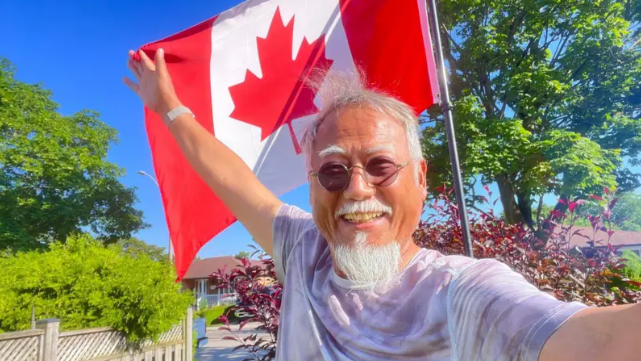
The 68‑year‑old former police officer‑turned‑human‑rights activist engaged in a desperate maritime escape that spanned more than 300 kilometres and culminated in a rescue by South Korean authorities. He has since settled in Toronto on political asylum and speaks out about the obstacles he faced in China.
Dong began his attempt to leave mainland China shortly after incurring a series of arrests: a 13‑year police career ended in 1999 after he signed a petition commemorating Tiananmen, followed by a three‑year jail term in 2001 and again in 2014 for participating in protests. Over the years, he made several escape attempts. He was deported from Thailand in 2015, denied re‑entry after an attempt to flee to Taiwan in 2019, and was expelled from Vietnam in 2020 after two years in hiding.
In May 2026 he set out in a 3.3 m rubber dinghy off Weihai. He planned to cross the Yellow Sea and head toward Japan, but rough weather forced him to turn toward South Korea. Without a functioning GPS, he relied on a digital compass that ran out of battery a few hours into the journey, causing him to fear he might drift back toward Chinese waters.
After forty hours at sea, a South Korean fishing boat spotted him on 27 May and pulled him ashore to the county of Taean. He was transferred to a refugee centre in Incheon, briefly detained on immigration charges, and later granted political asylum in Canada. Dong, who had celebrated his mother’s 95th birthday only days before his departure, said he could not fulfil his filial duties for the rest of his life – a regret that may persist even as he applies his activism abroad.
From Toronto, Dong spoke to BBC Chinese, asserting he “couldn’t survive in China” and that “if I did not leave, I would never be at peace.” He hopes his escape demonstrates that the Chinese Communist Party cannot stop dissenting voices, and calls for the protection of political refugees worldwide.
The Chinese Foreign Ministry responded that it handles citizens’ entry and exit in accordance with the law and that citizens must abide by the Constitution. Critics argue that such statements ignore the reality of political persecution and the violation of human‑rights standards in the country. The case highlights the roles of South Korean rescue services and Canada’s refugee acceptance policies as crucial support for persecuted activists.