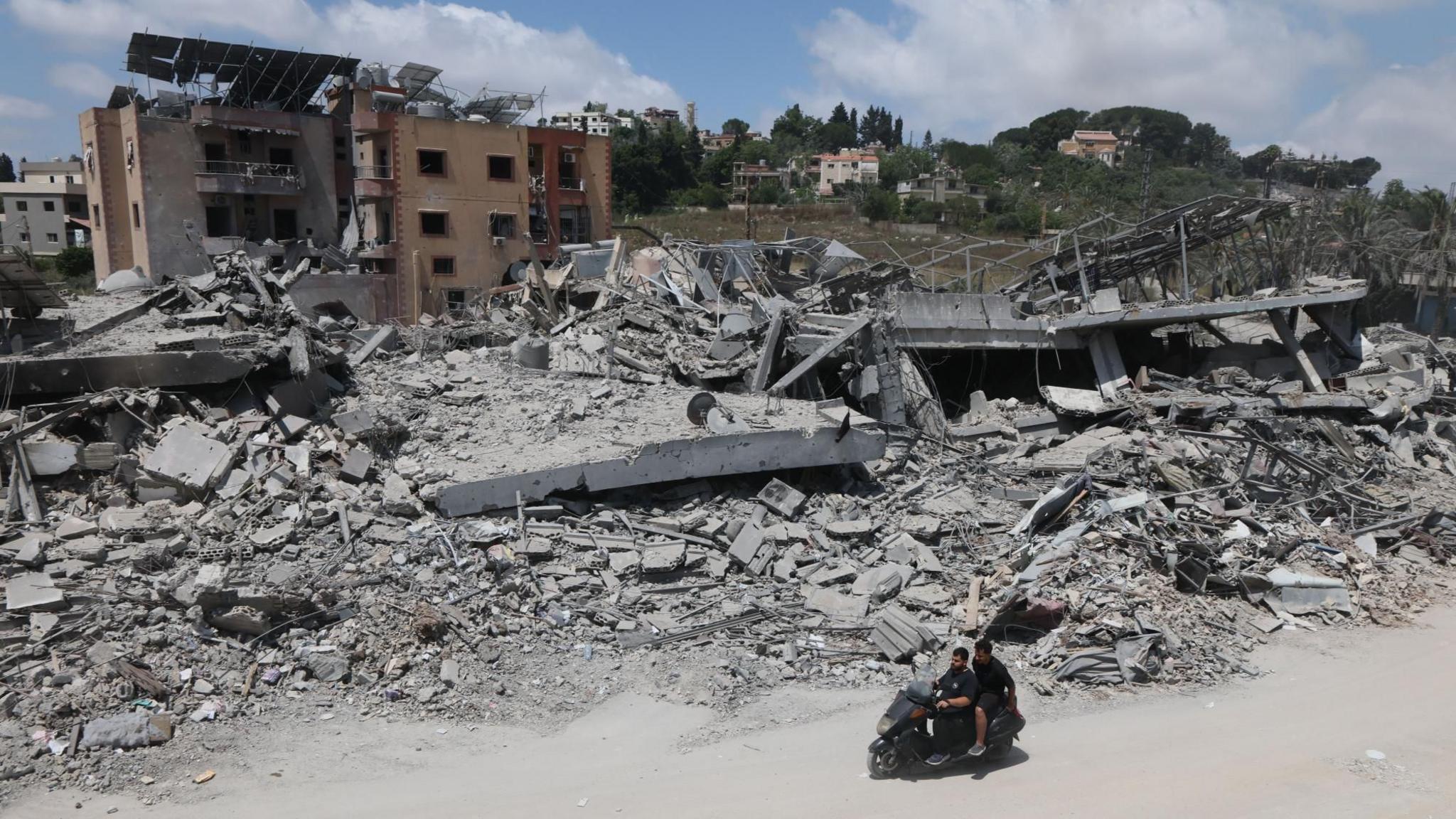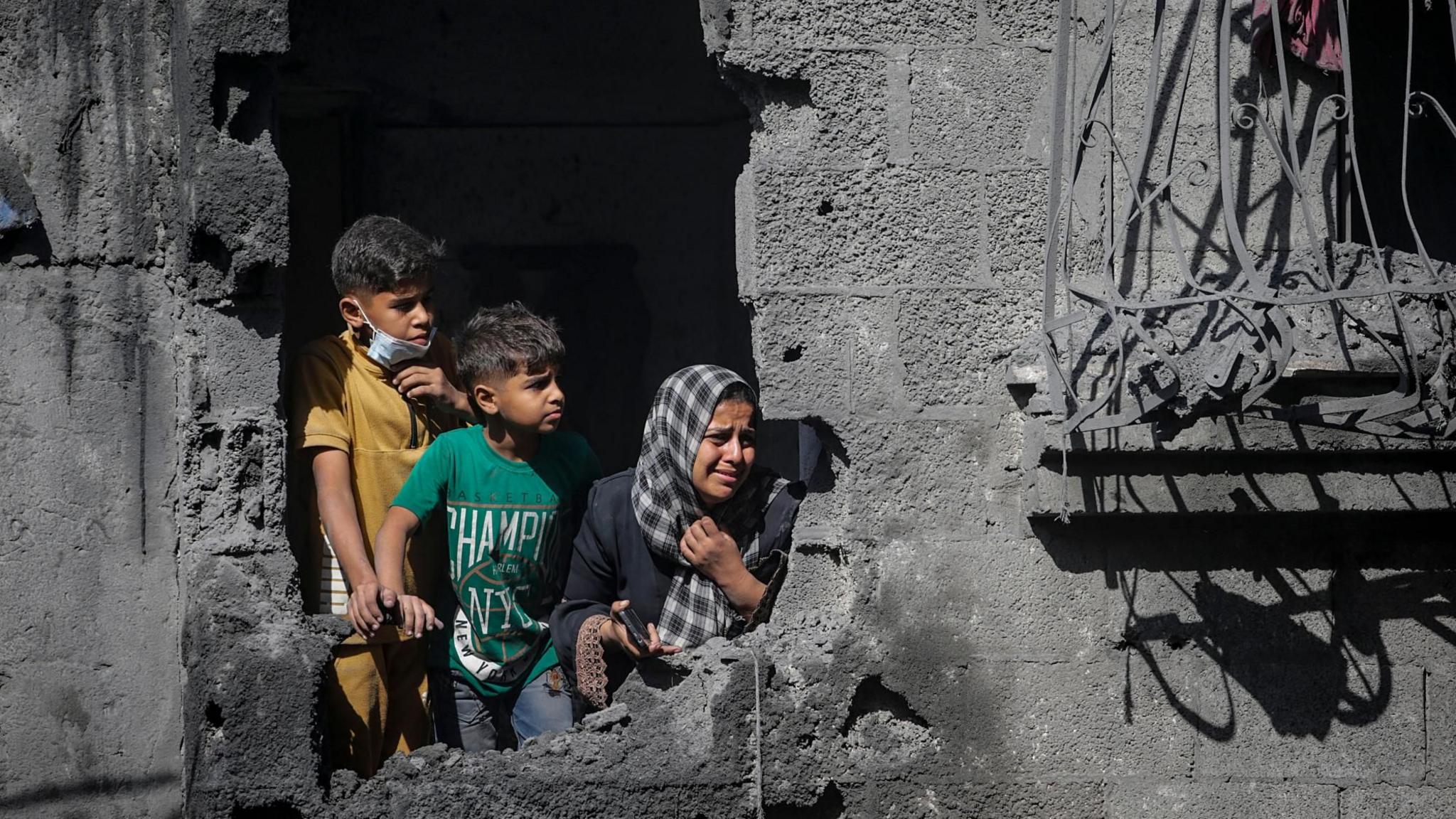
It was late at night when an Iranian cluster bomb penetrated an elderly couple's apartment in central Israel, resulting in their tragic deaths. The remnants of the explosion revealed a harrowing scene, with debris and destruction marking the aftermath.
The trajectory of the bomb was painfully evident, leaving a large hole in the ceiling, while shrapnel scars on the walls underscored the explosive force that devastated the living space. Nearby, a neighbor recounted hearing the booming blast, attesting to the bomb's terrifying impact on the community.
Cluster bombs, which cover a vast area, complicate the already challenging task of missile defense. Despite Israel's advanced intercept systems, the nature of these munitions makes them particularly lethal, as they can create numerous impact points regardless of the missile being shot down. This was reaffirmed by Israeli military officials, highlighting a shift in tactics from their adversaries.
As civilian casualties from Iranian missile attacks in Israel remain low, the recent strike raises unsettling questions about the future of such warfare. The psychological toll on the Israeli population is growing, with regular alerts and bomb threats contributing to a pervasive sense of unrest.
While Israel claims to be making significant strides against Iranian capabilities, including the destruction of numerous missile launchers, the conflict continues to unfold with no clear resolution in sight. As public sentiment oscillates between resilience and despair, the ongoing violence leaves many wondering how much longer they can endure this war.