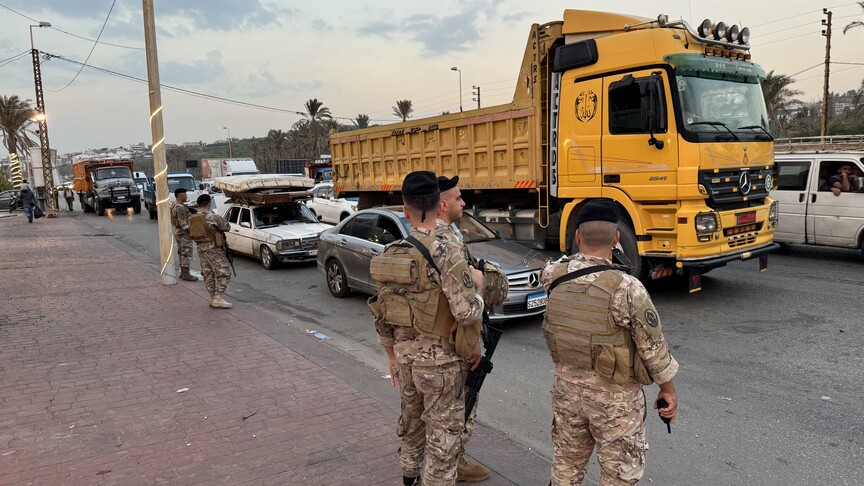
On Wednesday, UN peacekeeping chief Jean‑Pierre Lacroix warned that withdrawing the United Nations Interim Force in Lebanon (UNIFIL) could create a security vacuum in the south, potentially increasing tensions between the Lebanese army and the Israel Defense Forces (IDF). He urged the Security Council to clarify what will replace the mission before the planned departure.
Lacroix visited the Middle East and spoke to reporters, saying Lebanese officials have expressed concerns about losing a third‑party presence that helps prevent misunderstandings and maintain communication channels between the two sides. According to him, the UN’s monitoring and humanitarian role is crucial for the roughly 10,000 people still living between Israel’s forward defense line and the Blue Line.
The United Nations has highlighted that its withdrawal would leave a gap not only in monitoring but also in coordinating humanitarian convoys and preventing unintentional escalation. The mission has monitored developments along the Blue Line for decades, reported violations, and facilitated humanitarian access in southern Lebanon.
While Israel and the United States support ending the mission, the UN has yet to receive clear guidance from the Security Council about a possible successor arrangement. Lacroix said withdrawal plans are ready but flexible enough to accommodate a future UN presence, indicating a willingness to adapt if a replacement is decided.
Overall, the situation illustrates the conflicting views: the UN stresses the importance of a third‑party observer to maintain stability, whereas Israel and its U.S. ally push for the mission’s termination. The Lebanese government remains wary of the potential security gap that could arise without UNIFIL’s oversight.