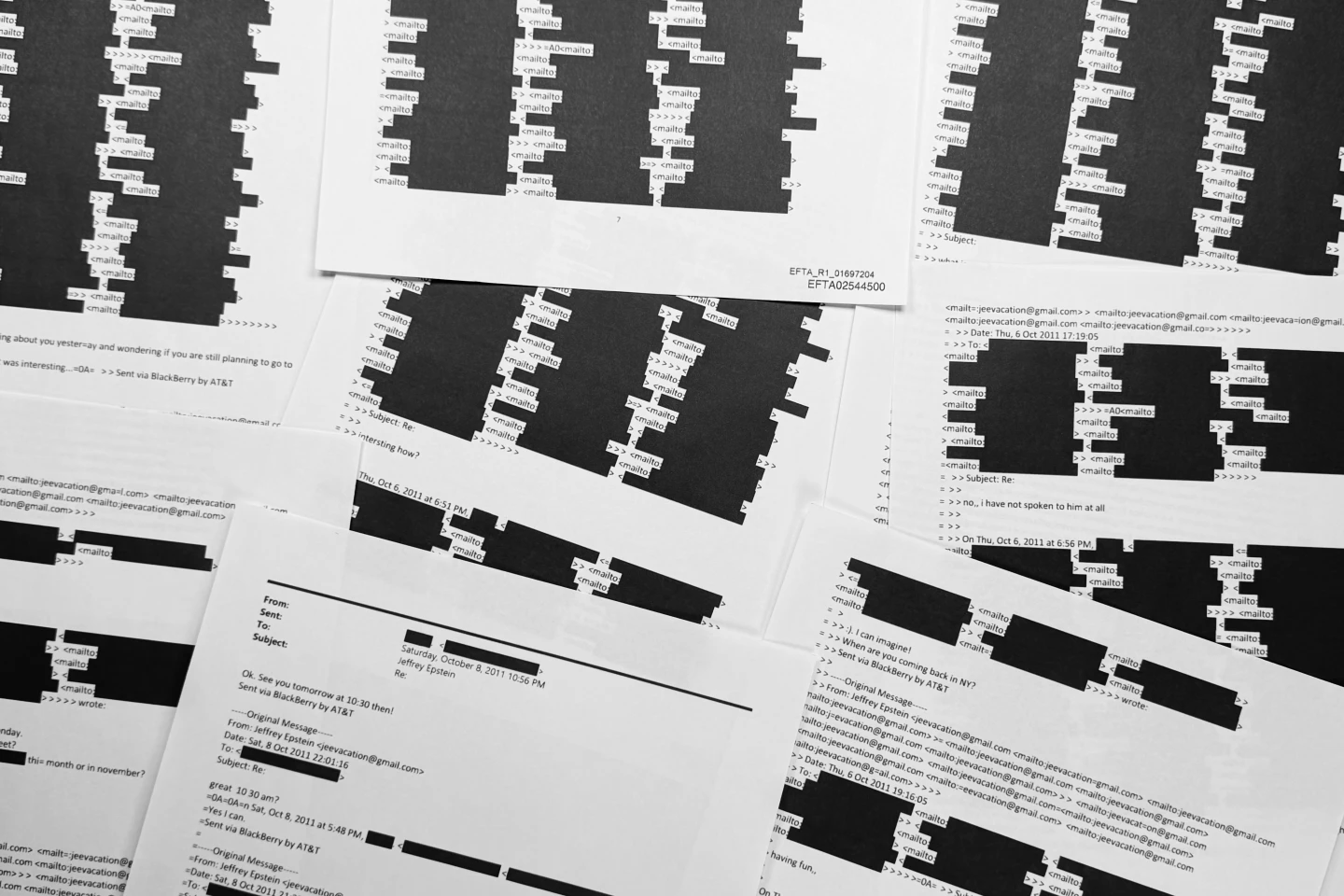
A slew of troubling revelations emerged from the U.S. Justice Department’s recent release of documents connected to the Jeffrey Epstein case. With nude photos, full names of sexual abuse victims, and personal information such as Social Security numbers exposed, the release has sparked outrage and concern over the privacy rights of the victims.
The law intended to protect victims' identities by mandating redactions, but reports revealed numerous oversights and errors. Some materials were released with critical details intact despite supposed safeguards, including a chart featuring a young girl hired for illicit massages. The Associated Press (AP), along with other news organizations, found unredacted victims’ names, raising alarms over the failure to uphold privacy as promised.
In particular, the Justice Department expressed that technical and human errors were to blame for the lapses. The department had a limited 30-day window mandated by recent legislation to process millions of pages of documents. Though the task involved hundreds of lawyers, the impending deadline and subsequent overhaul of duties led to significant mistakes, ultimately jeopardizing the privacy of individuals.
Amidst criticism, victim advocates have called for the Justice Department to take further action, including appointing an independent monitor to ensure compliance with privacy protections. Victim Annie Farmer, who was among those named, aired her discontent regarding the damage caused by the errors, emphasizing a need for accountability from the government.
While the department has attempted to remediate the issue by removing problematic content from their online release, many inappropriate images, including selfies of nude women, remained accessible as late as last week. This negligence has prompted further insistence from survivors’ lawyers to pursue legal remedy for the perceived permanent damage inflicted.
The Epstein file release represents one of the largest disclosures related to the series of investigations surrounding Epstein, reflecting the overarching challenge of balancing public demands for transparency with the imperative to uphold the confidentiality and protection of victims.