Controversy Erupts as Donor's Cancer-Linked Sperm Produces Nearly 200 Children
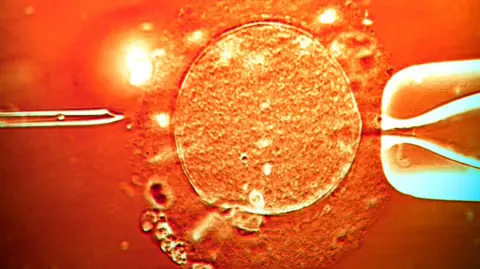
A sperm donor who unknowingly harbored a genetic mutation that significantly increases the risk of cancer has become the father of at least 197 children across Europe, prompting serious ethical and health concerns.
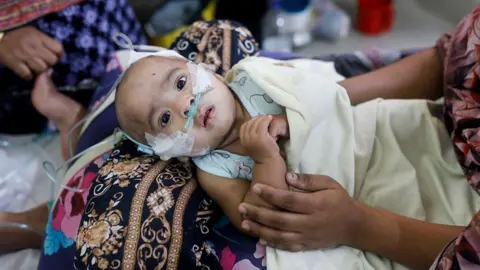
Some of the children linked to this donor have tragically succumbed to cancer, highlighting an urgent call for better regulation in the sperm donation industry. Although the donor was healthy and passed initial screening checks, the TP53 gene in some of his sperm carried mutations that raise the lifetime cancer risk significantly.
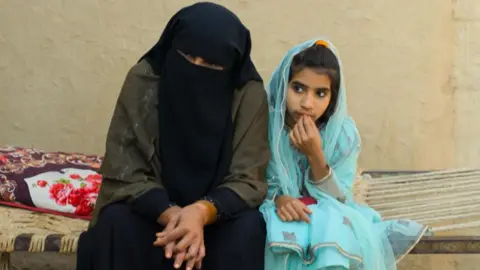
The sperm in question, sold to various fertility clinics primarily in Denmark, was not distributed in the UK, but a small number of British families were affected due to treatment in Denmark. Families involved have been informed, as the report highlights an alarming breach of safety regulations where too many children were born from this donor's sperm.
This investigation, which included collaboration from 14 public service broadcasters under the European Broadcasting Union's Investigative Journalism Network, found that the sperm was collected from an anonymous man in 2005 and used over 17 years.
Experts like Prof Clare Turnbull of the Institute of Cancer Research express concern over the implications of such diagnoses, which not only impact the health of children but also carry a profound emotional burden for families. Annual monitoring, including MRI scans and ultrasounds, is often necessary to detect potential cancers early.
Doctors have observed direct links between this donor's sperm and cancer development in children, with significant numbers affected. This investigation revealed approximately 197 children, but the final numbers remain uncertain as data from all clinics is not yet collected.
While the European Sperm Bank takes responsibility for and has halted the use of this donor’s sperm, the broader debate continues over the lack of cohesive international standards for sperm donation.
Countries maintain varying limits on how many families can utilize the same donor, and the absence of strict regulations at an international level raises concerns about potentially hazardous genetic transmission in the future.