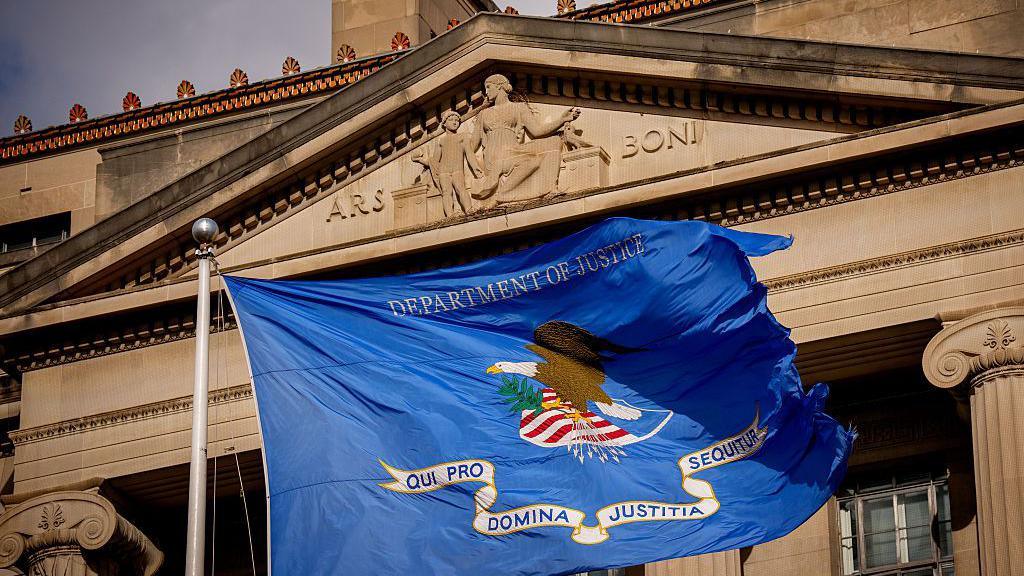
The Southern Poverty Law Center is under federal scrutiny following a criminal investigation by the U.S. Justice Department for its use of paid informants. Founded in 1971, the SPLC has a history of infiltrating extremist groups, but this practice is now being questioned by authorities.
SPLC CEO Bryan Fair stated that the informants gathered critical information used to prevent threats of violence, often sharing it with federal and local law enforcement. However, he acknowledged that the organization is now facing potential charges regarding this program.
The SPLC was established as a civil rights organization aimed at assisting marginalized communities in the South during the aftermath of the Jim Crow era. It has played a pivotal role in legal reforms and desegregation efforts, gaining respect for its advocacy work.
Throughout its history, the SPLC has expanded its work to monitor hate groups, initiating efforts like the Klanwatch project in the 1980s, which later evolved into its Intelligence Project. This broad monitoring has drawn backlash from various groups, particularly conservatives who argue that the organization unfairly targets those with differing viewpoints, including religious groups and conservative organizations.
In light of these criticisms, a notable incident occurred when conservative activist Charlie Kirk was assassinated in 2025, leading to renewed scrutiny over SPLC's inclusion of groups like Turning Point USA in its reports on extremism. Following these developments, the FBI announced its decision to cut ties with the SPLC, citing concerns over its perceived partisanship, further complicating the landscape of civil rights advocacy in America.
As the investigation unfolds, the SPLC faces a crucial moment in addressing its methodologies and the allegations that have marred its reputation, amid a broadening debate on civil rights and extremism in the contemporary sociopolitical climate.