NEW YORK (AP) — A jury has found that concert giant Live Nation and its Ticketmaster subsidiary held a harmful monopoly over big concert venues, marking a significant loss for the company in a high-profile antitrust case initiated by numerous U.S. states and the District of Columbia.
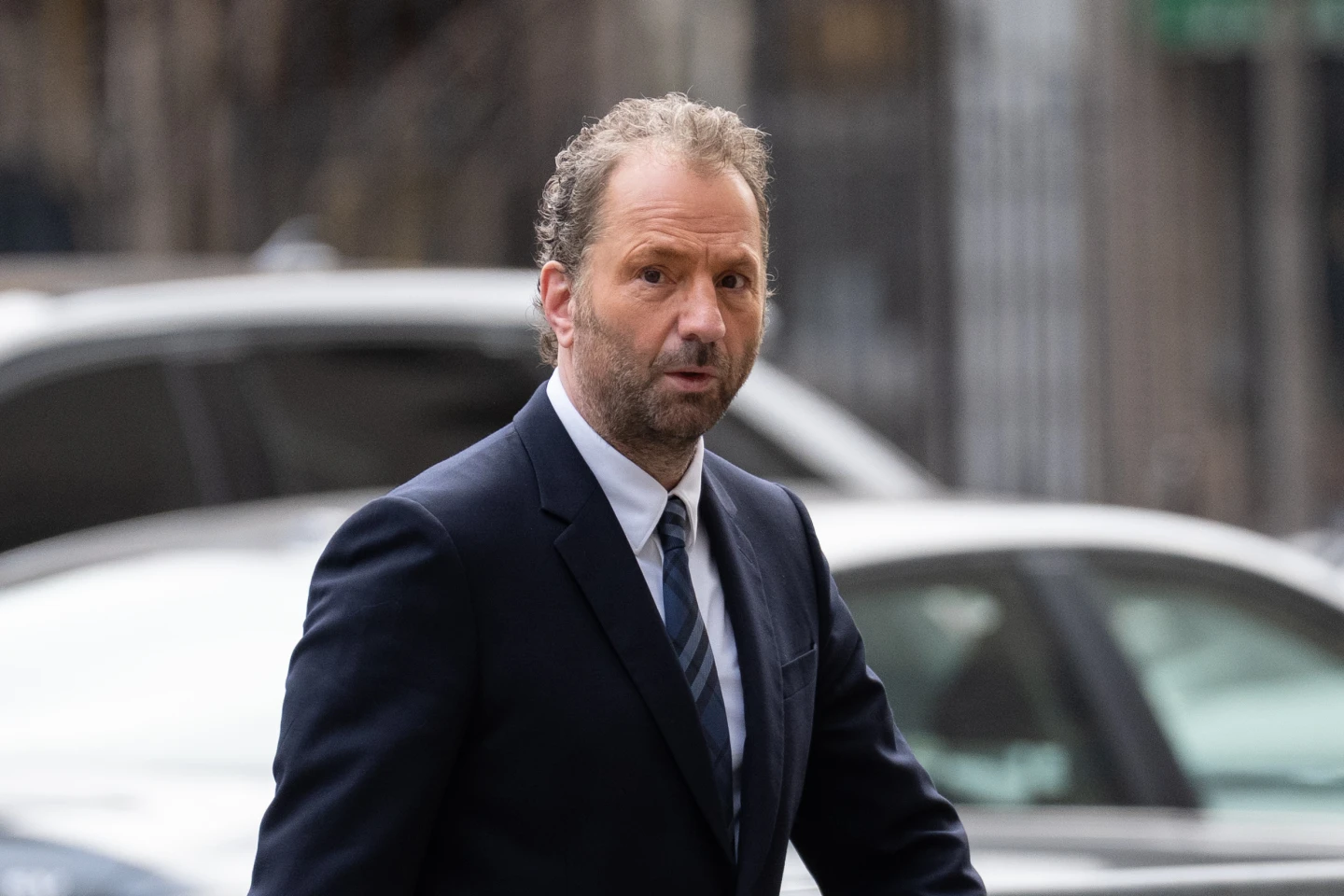
The decision, reached after four days of deliberation, was celebrated by attorney Jeffrey Kessler, who remarked, It's a great day for antitrust law, as he exited the courthouse.
The jury's ruling could result in severe financial repercussions for Live Nation and Ticketmaster, with the jury identifying that the latter had overcharged consumers by $1.72 per ticket in 22 states. The companies may also face additional penalties and demands to divest some assets.
During the trial, CEO Michael Rapino testified, referencing the controversial sales practices during the Taylor Swift ticketing incident in 2022, where high demand met with insufficient supply, attributed by Rapino to a cyberattack.
Internal messages from a Live Nation employee describing ticket prices as outrageous and admitting the company enjoyed robbing customers highlighted serious concerns about corporate ethics. Despite the scandals, Live Nation contended its market position was a merit-based achievement, pointing to individual venues and artists who set their own pricing.
New Jersey Attorney General Jennifer Davenport issued a statement declaring the jury's verdict affirming the long-held belief that Live Nation's practices harmed both consumers and competition.
The civil lawsuit had its origins during the Biden administration, contrasting with Trump's prior administrative settlement regarding similar allegations against Live Nation, which did not mandate a breakup of the company but introduced some restrictions on service fees.
As the case moves into its remedies phase, both Kessler and participating state officials expressed determination to create a fairer marketplace for consumers seeking tickets to live events.
The current ruling may disrupt the long-standing practices in a concert and event ticketing industry long criticized by artists and fans alike for monopolistic tendencies and price gouging.